
How to Keep Your Dog Hydrated on Long Walks
Walking your dog is a delightful experience that strengthens the bond between you and your furry friend. However, during long walks, it is essential to ensure your dog stays hydrated. Dogs can become dehydrated quickly, especially in warm weather or when exerting themselves. To prevent dehydration, carry a portable water bottle or hydration pack designed for dogs. You can also find collapsible bowls that make it easy to provide water on the go. Regular breaks are necessary for your dog’s comfort and hydration. Plan your route and take regular pauses in shaded areas or cool spots to allow your dog to rest and drink. You might also want to invest in Dog-friendly travel water bottles that are specifically designed for outdoor activities. By doing this, your dog will stay refreshed, and both of you can enjoy the walk to its fullest potential. Another helpful tip is to observe signs of overheating or dehydration in your pet, such as excessive panting or lethargy. Knowing these signs enables you to act quickly and provide the necessary hydration to keep your dog safe during your walks.
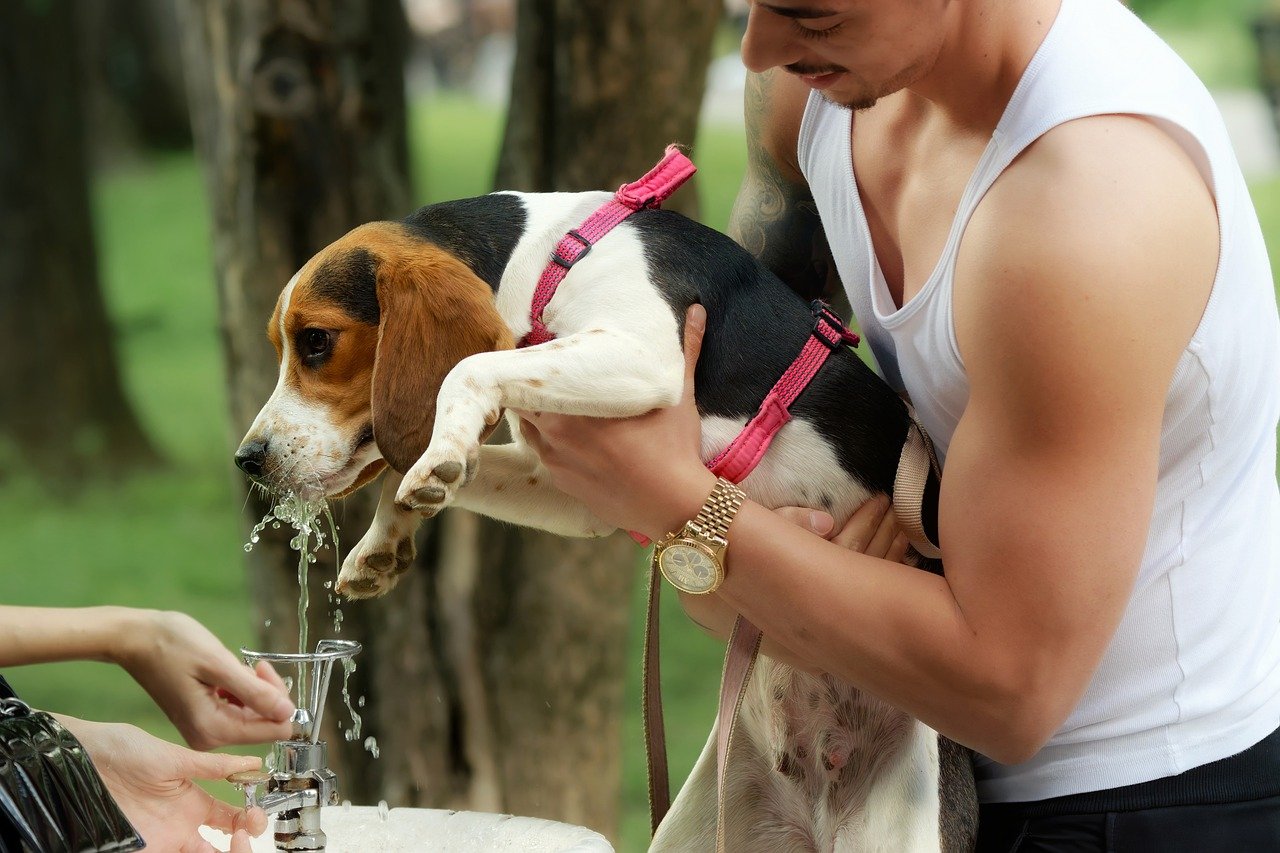
One excellent method to monitor your pet’s hydration levels is by checking their gums. Healthy gums should be moist and clear, not dry or sticky. If your dog’s gums feel dry, it may indicate dehydration, and you should offer water immediately. Additionally, consider the temperature and weather conditions before heading out for a walk. On hot or humid days, it’s important to walk your dog during cooler times of the day, such as early mornings or late evenings. Another fantastic idea is to bring along some ice cubes or frozen treats. These can keep your dog cool while also providing hydration. Also, try to locate dog-friendly parks that have water fountains specifically designed for dogs to make water access easier. Always remember to provide fresh, cool water before, during, and after the walk. Dogs often drink more when the water is cool and appealing. Ensuring your dog has a steady supply of water can enhance their overall walking experience and help them feel better throughout the day.
Signs of Dehydration in Dogs
Awareness of dehydration signs is important for every dog owner during walks. Some of the early symptoms may include excessive panting, lethargy, and a lack of interest in activities. If your dog is slumping or dragging during a walk, it may be time to take action and offer water. Another key sign to watch for is crusty or dry noses, indicating insufficient hydration. Additionally, monitor your dog’s urine. If your dog is urinating less frequently or the urine appears dark yellow, these may be indications of dehydration. Keeping an eye on your dog’s behavior is crucial; if they seem disorientated or you notice any unusual behavior, take immediate steps to provide hydration. Remember to keep fresh water available at home and during travel. You can also explore pet-safe electrolytes available in many pet stores, which can help replenish lost fluids during intensive walks. Offering electrolyte-enhanced water can greatly benefit your dog’s hydration levels. The sooner you detect and respond to dehydration symptoms, the better chance you have of keeping your dog healthy and happy during their outdoor adventures.
Ensure to educate yourself on how to effectively hydrate your dog. Hydration should not start only during walks but should be a continuous process throughout the day. Always keep a bowl of fresh water for your dog at home, and encourage them to drink regularly. Regular water intake leads to better overall health and prevents dehydration during longer walks or outings. Consider introducing your dog to drinking from objects or bowls they find intriguing. This way, they might enjoy sipping more often. Always explore different hydration options, such as adding pet-friendly fruits like watermelon or cucumbers to their water. This can entice them to drink more while providing essential nutrients. Furthermore, consider adjusting your dog’s food to include wet food options that provide additional moisture. This can be especially beneficial for dogs that tend to drink less water. Incorporating these practices into your dog’s routine helps prevent dehydration and enhances their overall health and happiness during your walking adventures. Establishing good hydration habits fosters a healthy, enjoyable lifestyle for both you and your dog.
Preparing Before the Walk
Preparation plays a key role in keeping your dog hydrated while walking. Before embarking on a long walk, ensure you have sufficient water and appropriate hydration gear. Pack a portable water container and a collapsible bowl for easy access. This preparation helps considerably, especially on warm days when your dog may need extra water. Also, check the weather report. It will allow you to gauge how much hydration your dog may require. If high temperatures are expected, adjust your walking times accordingly, opting for early morning or late evening walks when it is cooler. Keep an eye on your dog’s energy levels during the walk; if you notice they are slower than usual, it may indicate it’s time for a hydration break. Make sure you know your route and any potential locations that offer water for dogs. Tour nearby parks with dog-friendly fountains, so you aren’t left scrambling for water. Highlighting preparation not only ensures hydration but also promotes a safe, enjoyable walking experience for you and your dog.
In addition to packing water, consider bringing along some snacks. Healthy snacks or dog treats can motivate your dog during the walk and keep their energy levels stable. Keeping glucose levels balanced can minimize fatigue, a common sign of dehydration. Also, ensuring you have the right gear is crucial. A well-fitted harness and a leash that offers some elasticity can provide comfort while your dog moves and plays. Plenty of moisture, combined with comfortable equipment, guarantees a smooth experience for both of you. Also, pick a route that allows sufficient shade. If you’re exploring trails or parks, look for paths lined with trees, providing natural protection from the sun. Stopping under trees to allow your dog to rest and drink water can facilitate their comfort, promoting a relaxing walk. Finally, never underestimate the importance of a dog-friendly travel bag. Keeping all hydration gear in one place simplifies organization. Being prepared with adequate water and snacks allows you to focus more on enjoying the adventure with your furry companion during those long walks.
Post-Walk Hydration and Care
After completing a long walk, it is essential to continue focusing on your dog’s hydration. Offer fresh water immediately to help your dog recover and replenish lost fluids. Monitoring their energy levels is also crucial during this time. If your dog appears particularly tired, allow them to rest for a while after drinking. Relaxation is vital to help prevent heat exhaustion. Additionally, reflect on their water intake during the walk. If you noticed your dog wasn’t drinking enough, consider adjusting future walks to include more frequent hydration breaks. Also, observe if there are specific areas where your dog seems more interested in drinking. This knowledge can help you better prepare for your next outing. Post-walk, always reward your dog for their efforts with a treat. Rewards can reinforce positive behavior and create positive associations with water. Another consideration is to provide a feeding schedule that allows for hydration. Automating their food schedule can lead to consistent water intake. Keeping these aspects in mind ensures your dog remains well-hydrated and healthy after every long walk session.
By following these suggestions, keeping your dog hydrated on long walks becomes significantly easier and more effective. Remember always to tailor each walk to your dog’s specific needs, considering its age, size, and energy levels. Each dog is unique, and what works for one may not work for another. That’s why paying attention to your furry friend’s behavior is essential. This attention helps you implement ways to improve hydration practices continually. Additionally, consider sharing your experiences with other dog owners. This not only helps you learn more tips but builds a supportive community of pet lovers. Building relationships with others who walk their dogs can provide social opportunities for both you and your furry friends. Encourage others to adopt good hydration practices and share the benefits. Together, we can create more awareness surrounding the importance of hydration in dogs. An educated community leads to healthier pups. Lastly, stay enthusiastic about exploring new routes, places, and ways to keep hydrated. Enthusiasm can motivate your dog and yourself on future walks. Let your dog thrive with great hydration practices during your adventures together!