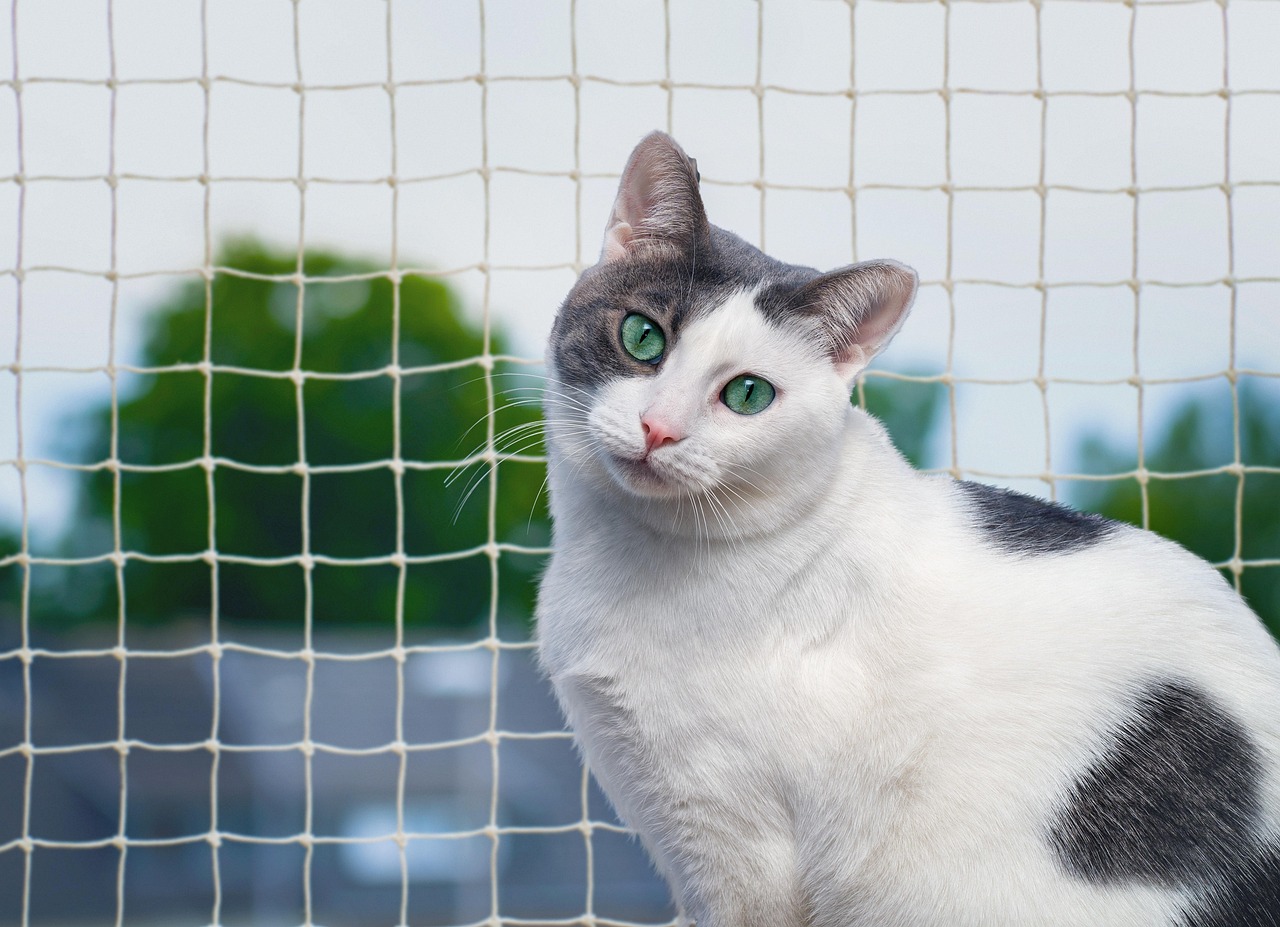

How to Prevent Entanglement Hazards on Cat Furniture and Posts
Ensuring the safety of your feline friend is paramount when introducing new cat furniture and scratching posts into your home. One of the primary concerns is the potential for entanglement hazards that may endanger your cat’s well-being. Cats are naturally curious and agile creatures, often exploring their surroundings and jumping onto furniture. Here are some essential tips to ensure a safe environment: First, always opt for furniture that has secure, stable construction to prevent tipping. Second, avoid dangling cords or strings that can easily entangle your cat. Third, check for loose fabric or threads that your cat may latch onto during play. Fourth, regularly inspect your cat’s furniture for any wear and tear and replace it if necessary. Additionally, consider placing the furniture in a safe, open area away from narrow spaces where entanglement is more likely to occur. By taking these precautions, you can create a safe play area for your cat while preventing any potential hazards that could lead to injury.
Another important aspect to consider is the height and design of the furniture or scratching post. Cats enjoy climbing and scratching, but furniture that is too tall without enough base support can create risk. If the structure is not sturdy, it could potentially collapse under their weight. Selecting options with wider bases ensures stability and safety. Furthermore, avoid sharp edges or protrusions that might catch on your cat’s fur, causing distress or injury. When buying scratching posts, select ones that are made with safe, non-toxic materials. Wood or sisal fibers are great natural materials that can withstand a cat’s claws without splintering. Regularly replacing or refilling scratching surfaces is a good idea to keep them inviting and safe. Also, not every furniture piece is appropriate for all cats; taking into account your individual cat’s personality and behavior is crucial. By understanding their unique tendencies, you can choose furniture that avoids unnecessary risks specific to your cat’s behavior.
Monitoring Cat Interaction with Furniture
Once you’ve provided your cat with new furniture and posts, it’s essential to monitor how they interact with these additions. Initially observing their behavior will help you identify any potential entanglement issues or other dangers. If your cat exhibits unusual movements or seems hesitant, there could be an underlying safety concern. Pay careful attention to how they climb and scratch; if they appear unstable or often knock the furniture over, it could pose a danger. Engaging with your cat during these sessions can provide insight into their comfort level. Utilize toys to entice them to utilize the furniture safely, ensuring that playtime doesn’t inadvertently lead to accidents. When assessing furniture, it is equally important to consider the materials. Soft, plush fabrics may entice their instinct to knead and scratch but could result in loose threads that pose entanglement hazards. Consistent supervision, especially during the first few weeks of introducing new furniture, will allow you to spot any issues early on and adjust their play area accordingly.
Additionally, providing guidance through training can greatly reduce the risk of accidents. Utilize positive reinforcement techniques to teach your cat proper behavior around their furniture. This can involve directing them to scratch on designated posts instead of other furniture in your home, creating a designated play zone within your living space. Offering rewards, such as treats or praise, can reinforce the correct behavior, setting clear boundaries that ensure your cat’s safety. Consider also enriching their environment with various textures and heights to encourage safe exploration. This not only satisfies their natural instincts but helps prevent boredom, which can lead to destructive behaviors. Entanglement hazards can stem from lack of proper engagement. Incorporating a variety of toys that stimulate their mind and body can distract from the potential hazards of furniture that may not be designed safely. Always focus on providing alternatives that are fun and engaging. Remember that playtime should be safe and fulfilling for your feline friend.
Regular Furniture Maintenance
Maintaining your cat’s furniture is vital for long-term safety and usability. Regular inspections ensure that any risks from wear and tear are promptly addressed before they become problems. Check for fraying fabric, loose screws, or unstable components that might pose hazards. If any furniture starts to show signs of age, immediate action is essential to minimize risks for your playful feline. Simple repairs, such as tightening screws or replacing damaged fabric, can be a cost-effective way to keep furniture safe. If the wear is extensive, consider replacing the piece altogether. Cats can also bring natural debris into your home, such as dirt and loose fur. Regular cleaning not only maintains aesthetics but also contributes to hygiene, reducing the chance of parasites or allergens. When choosing cleaning products, ensure they are safe for pets, as many common household cleaners contain toxic chemicals. Always prioritize your cat’s safety when maintaining their living environment, as a little attention goes a long way in ensuring a secure play space.
Furthermore, involving your cat in the selection and placement of their furniture may foster familiarity and comfort, minimizing entanglement risks. Engage with your cat’s preferences to create a cozy environment. For instance, observe which locations they prefer for lounging or scratching, that can help place their furniture for optimal use. Transitioning to new pieces can sometimes cause stress; thus, incremental introductions may lead to better acceptance. If they seem hesitant, consider placing familiar items, like blankets or toys, near their new furniture to ease the adjustment. Bhaving enticing toys nearby can encourage positive exploration. Besides, maintaining an organized space around the furniture prevents chaos and clutter, reducing hazards significantly. Ensure there are no loose cords or obstacles that could cause tripping or sudden entanglement during play. Managing your cat’s environment contributes significantly to their safety during daily activities. Lastly, observing their interaction with their furniture will reveal their preferences and discomfort, allowing you to make informed choices moving forward.
Creating a Safe Environment
Creating a harmonious and safe environment is a collaborative effort between you and your feline companion. It’s essential to not only provide proper furniture but create an ambiance that is stress-free and promotes well-being. Reducing environmental stressors—like loud noises or frequent changes—can deter your cat’s ability to play freely without worry. Place their furniture in a location where they feel secure and at ease. You can also enrich their space with vertical hideaways and perches to satisfy their climbing instincts, providing both entertainment and safety. Furthermore, investing in reinforced scratching posts can help channel their desires to scratch appropriately, promoting good grooming habits without harming themselves. Similarly, opt for cat furniture that comes with built-in safety features, such as rounded edges and sturdy bases, further reducing hazards. Investing time to ensure that your cat feels at home where they occupy their furniture will allow for a joyful and safe experience as they explore and play. Always remember, a little effort in making their environment safe leads to a happy and healthy pet.
Lastly, encouraging routine check-ups with your veterinarian can ensure your pet’s health and safety. Being proactive about potential health risks is critical in maintaining your cat’s well-being as they engage with their furniture. Regular veterinary visits can help detect early signs of health issues that could affect their mobility and playfulness. Discuss any concerns regarding their behavior or interactions with furniture, as these insights can lead to better safety measures. Your vet can also provide valuable insights on selecting the safest options available in furniture that complements your cat’s needs. Additionally, explore community resources or local programs focused on pet safety for even more ideas to create a safe environment. Connecting with professionals can enhance your understanding of maintaining a healthy, vibrant space. Well-informed choices grounded on veterinary advice may reduce risks associated with play. Prioritizing your fur baby’s comfort and safety ultimately leads to a more fulfilling bond between you and your feline friend. Your efforts will cultivate a nurturing environment where they can thrive.