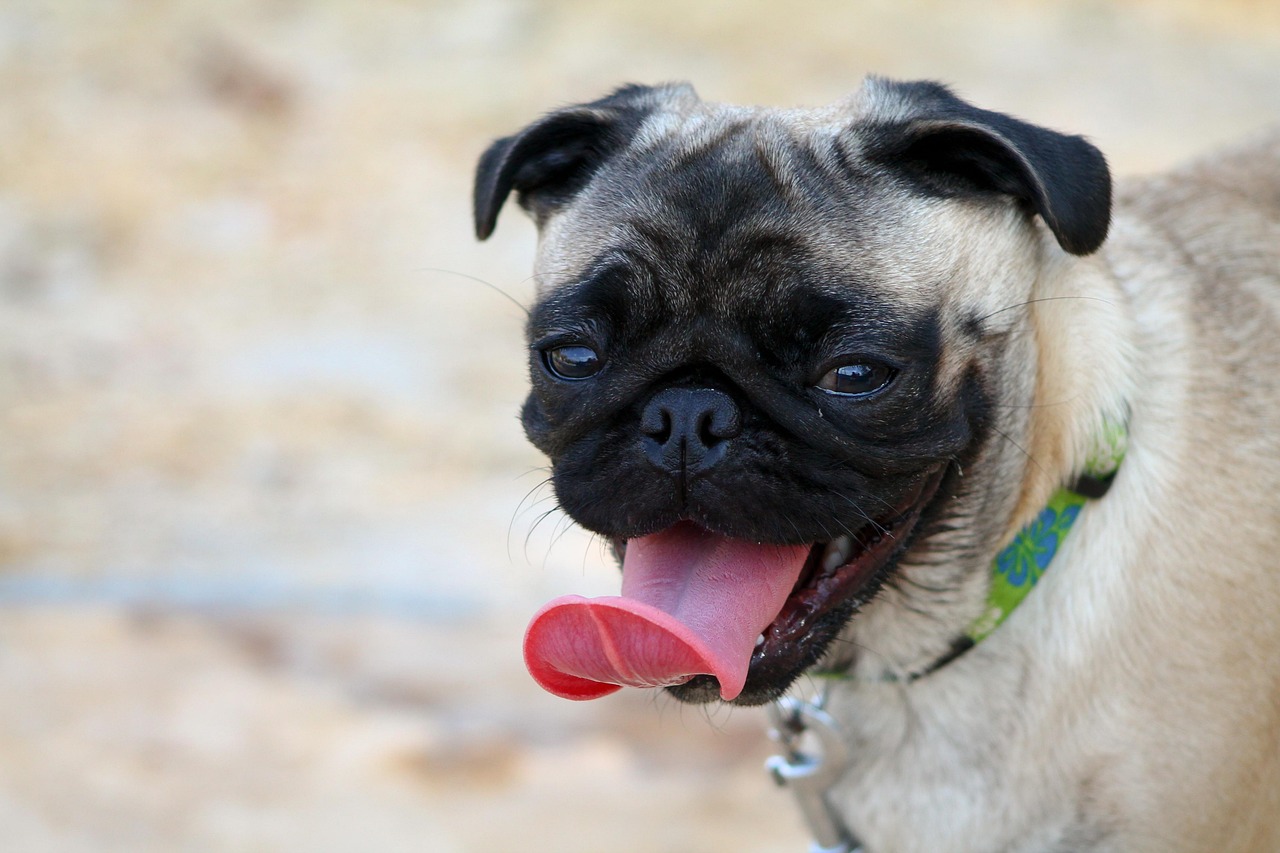

How to Socialize Your Pug Puppy for a Confident Dog
Socializing your Pug puppy is essential for developing a confident dog, fostering positive interactions with the world. Begin this process as early as possible; ideally, start socializing before the age of 16 weeks, ensuring that your Pug is exposed to various people, environments, and other animals. Early exposure helps to mitigate fearful behaviors later, as Pugs are known to be sensitive and can easily develop anxiety. Focus on making these new experiences positive; use treats and praise to reinforce calm behavior. Ensure that all interactions are supervised, especially around unfamiliar people or animals, to keep your puppy safe and secure. Gradually increase the complexity of their experiences, such as introducing them to different sounds, people, and situations. Keep in mind that every puppy is unique. Some may adapt quickly, while others may need more time. As you progress, consistently gauge your puppy’s comfort level with each new experience. If your Pug seems overwhelmed, take a step back and give them space, allowing for a more gradual introduction. Remember, a confident Pug starts with a well-structured socialization plan.
Once you’ve established a routine for socializing your Pug, it’s crucial to incorporate playdates with other friendly dogs. Playdates are not only enjoyable, but they also provide an excellent opportunity for your puppy to learn appropriate behaviors and social cues. Begin with one-on-one playdates with dogs that have a calm disposition. This allows your Pug to become accustomed to being around other canines without excessive stimulation or competition. Observe interactions closely. Look for signs of anxiety or fear, and intervene if necessary. As your Pug becomes more comfortable, slowly introduce group playdates, where they can engage with multiple dogs. Make sure these dogs have compatible temperaments; introducing your puppy to aggressive or overly boisterous dogs can lead to negative experiences. Always reward your Pug with treats and praise during playdates to reinforce positive behavior. If they exhibit appropriate social skills, such as taking turns and playing gently, you should encourage that behavior with enthusiasm. The goal is to create a safe and fun environment where your Pug learns to enjoy the company of other dogs, growing into a well-adjusted adult.
Enriching your Pug’s experiences extends beyond social interactions with dogs. Introducing your puppy to varied environments can play a significant role in socialization. Take your Pug to different places, such as parks, pet stores, and outdoor markets. The key is to maintain a calm demeanor and allow your puppy to explore without forcing them into situations that may be overwhelming. Use a reliable leash and harness to ensure their safety, especially in crowded areas where they may feel anxious. Encourage exploration by offering treats when your Pug displays curiosity or calmness in new environments. It’s also beneficial to expose your Pug to various stimuli, including traffic sounds, children playing, and bustling crowds. This aids desensitization. Gradually increasing exposure to these situations helps your puppy build confidence. Always verify that the experiences remain positive; this will create a strong association between new environments and positive outcomes. Document your Pug’s reactions, so you can identify what they enjoy and tailor experiences accordingly. Accordingly, the goal is not just to desensitize but to foster a sense of adventure and wonder in your dog.
Another vital aspect of socializing your Pug puppy is incorporating positive training methods. Basic obedience training helps your puppy learn essential commands while also reinforcing the bond between you two. Start with simple commands, such as sit, stay, and come. Utilize treats and praise to reward compliance, helping them understand what you expect. Consistency in training is key; practice the commands in different environments to generalize the behavior. Socialization and training go hand in hand; during training sessions, expose your Pug to new stimuli, distractions, and different settings, providing them with well-rounded experiences. Group training classes can also be effective for socializing, allowing your puppy to interact with both people and other dogs. These classes help improve their adaptability and confidence while teaching them how to react appropriately. Always choose a positive reinforcement-based class to ensure a welcoming atmosphere free of intimidation. Ensure the trainer is experienced with Pugs or similar small breeds, as they can cater specifically to the unique challenges these puppies often face. Making training enjoyable is crucial to its success and to the development of your Pug’s social skills.
Encouraging your Pug puppy to meet different people is also essential. Expose them to men, women, children, and individuals wearing various clothing styles. This exposure teaches them not to discriminate based on appearances and helps them become friendly and approachable. When introducing your puppy to new people, let them approach at their own pace. Allow the person to offer treats and calmly pet your Pug if he seems receptive. This creates a positive association with new people. For children, ensure they understand how to interact appropriately with a puppy. Supervise all interactions, as young children may inadvertently scare or overwhelm your dog. Encourage gentle contact and discourage any aggressive play. Throughout these introductions, monitor your puppy’s body language for signs of fear or discomfort. If your Pug seems anxious or fearful, don’t force the interaction. Bring them back to socialize with people when they’re ready, or create smaller groups with familiar individuals. Gradually, your Pug will learn to enjoy social interactions, leading to a more relaxed and adaptable temperament in various situations.
In addition to structured socialization efforts, it’s vital to encourage spontaneous interactions that promote your Pug’s confidence. Frequent walks in your neighborhood allow your puppy to meet new sights, sounds, and smells, facilitating an organic way to socialize them. When on walks, encourage your Pug to greet people and other dogs, always supervising these interactions to maintain safety. Allow your puppy to sniff other dogs and watch their body language to learn proper greeting etiquette. Incorporate rewarding experiences into walks, such as allowing your Pug to stop and smell interesting spots. Vary your walking routes to expose your puppy to different environments and stimuli, such as bustling streets and quiet parks. Always be engaging; using positive reinforcement will provide your Pug with the encouragement they need, making these experiences enjoyable. If you notice your puppy showing anxiety on walks, approach these feelings delicately. Acknowledge their feelings, and take breaks whenever necessary. By normalizing exposure and providing various experiences, your Pug will evolve into a confident and friendly dog that enjoys interacting with others.
In conclusion, socializing your Pug puppy is a key investment in their future behavior and temperament. Combine various strategies such as structured playdates, exposure to different environments, basic training, and building rapport with diverse people. Each of these elements plays a role in ensuring that your Pug grows into a well-mannered, confident companion. Remember to keep interactions positive and adjust your socialization techniques based on your puppy’s unique personality. Patience and consistency will yield significant results. As your Pug matures, they will not only enjoy a more fulfilling life but will also become a reliable companion not only for you but also for those around them. Ensure to maintain regular social exposure, even as they age and become more comfortable. Your continued efforts will help keep your Pug well-adjusted and keen on new experiences. The journey of socializing your Pug is one filled with excitement and learning for both you and your puppy. By following these guidelines and fostering their develop a confident personality, you will create a lifelong bond that enhances your life together.
Socializing your Pug puppy is essential for developing a confident dog, fostering positive interactions with the world. Begin this process as early as possible; ideally, start socializing before the age of 16 weeks, ensuring that your Pug is exposed to various people, environments, and other animals. Early exposure helps to mitigate fearful behaviors later, as Pugs are known to be sensitive and can easily develop anxiety. Focus on making these new experiences positive; use treats and praise to reinforce calm behavior. Ensure that all interactions are supervised, especially around unfamiliar people or animals, to keep your puppy safe and secure. Gradually increase the complexity of their experiences, such as introducing them to different sounds, people, and situations. Keep in mind that every puppy is unique. Some may adapt quickly, while others may need more time. As you progress, consistently gauge your puppy’s comfort level with each new experience. If your Pug seems overwhelmed, take a step back and give them space, allowing for a more gradual introduction. Remember, a confident Pug starts with a well-structured socialization plan.