
The Role of Chew Treats in Dog Dental Health: An Interactive Examination
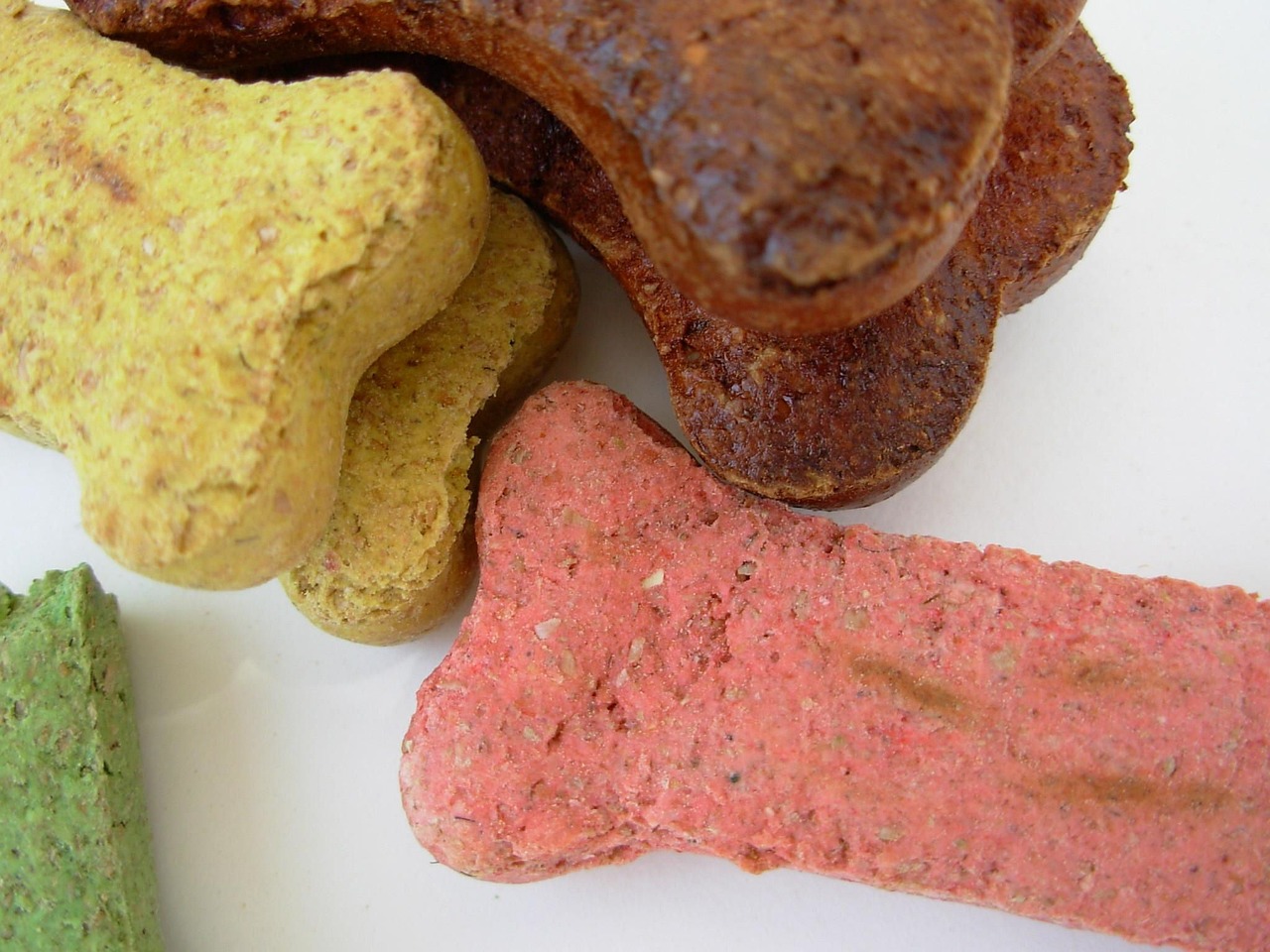
The health of our canine companions is often tied to their dental care. Chew treats have emerged as effective tools in promoting oral health in dogs. They serve multiple functions, acting as a source of enjoyment while individually catering to each dog’s chewing preference. As dogs chew, they naturally create a scrubbing action that helps to dislodge plaque and tartar from their teeth. This mechanical action is essential, as it reduces the likelihood of developing serious conditions such as periodontal disease. Chew treats come in various forms, including rawhide, dental chews, and even natural chews like carrots. Each offers unique textures and benefits. Additionally, many of these products are enriched with beneficial ingredients. These ingredients can include vitamins and minerals that support overall health. Owners should seek chew treats specifically formulated for dental health. Labels will often showcase their effectiveness through clinical studies or endorsements by veterinarians. Engaging dogs in chewing can also prevent behavioral issues arising from boredom. Understanding your dog’s chewing style will help you select the most suitable product. Ultimately, chew treats play a vital role in dog dental health.
A common question among dog owners is about the ideal frequency of offering chew treats. While these treats provide dental benefits, moderation is key. Too many treats can lead to excess calories, potentially causing obesity. Consulting with a veterinarian is prudent to establish a balanced feeding routine tailored to each dog’s needs and dental hygiene goals. Many owners also wonder how to incorporate chew treats effectively within their daily routine. Chew treats can be given during playtime, as a reward for good behavior, or even to keep dogs occupied when busy. Interactive toys that dispense treats can enhance the experience, turning dental care into a fun activity. As dogs engage with these toys, they not only clean their teeth but also exercise their minds. Owners should also monitor their dogs during chewing sessions to ensure safety and prevent choking hazards. It is wise to provide appropriate-sized chews based on your dog’s size and strength. Regularly rotating the types of chew treats offered can prevent boredom and maintain interest. This variety ensures that dental care remains an engaging process for dogs while giving peace of mind to owners.
In addition to chew treats, many products on the market are designed to enhance your dog’s dental hygiene. Dog toothpaste and toothbrushes are excellent complementary tools that help maintain clean teeth. Regular brushing can increase the effectiveness of chew treats significantly. Dental wipes offer another convenient option for owners. They can easily remove plaque without the need for brushing. Alternatively, providing dogs with dental toys or bones that clean their teeth as they chew can offer great benefits. The combination of chew treats and these additional products will create a comprehensive dental care routine for your pet. It’s essential to establish this routine early in a dog’s life to cultivate long-lasting habits. Puppies can benefit immensely from experiencing various textures and flavors through chew treats. This early exposure can lead to understanding the importance of dental care. Importantly, owners should be aware of their dog’s food allergies and sensitivities when selecting chew treats. Avoiding harmful ingredients specific to your dog’s diet or health conditions is crucial. By nurturing a healthy dental lifestyle early on, your furry friend will enjoy a lifetime of strong teeth and healthy gums.
Why Chew Treats Matter
Understanding how chew treats benefit your dog’s dental health is essential. Chew treats can provide more than just oral health benefits; they contribute to mental stimulation. Dogs naturally have the instinct to chew, and chew treats satisfy this urge while providing valuable dental care. Furthermore, chewing releases endorphins in dogs, promoting overall well-being. The act of chewing also serves as a stress reliever, helping to manage anxiety and boredom in our pets. Regular use of chew treats promotes healthier gums and teeth through the removal of plaque and bacteria. Many chew treats have specific endorsements regarding their dental benefits, which add to their credibility. It’s beneficial to educate yourself about these endorsements and select products wisely. Look for treats with the Veterinary Oral Health Council (VOHC) seal of approval, which indicates effectiveness in reducing plaque and tartar build-up. Additionally, varying the types of dental chews you give your dog can keep them engaged and interested. Some dogs might prefer rubber or tough nylon toys over edible treats, while others enjoy treats that can be consumed quickly. Understanding each dog’s unique preferences will lead to better dental hygiene.
It’s essential to measure the long-term impact of chew treats on your dog’s dental health. Owners should commit to monitoring their dog’s dental state regularly. Visiting the vet for routine checkups can provide insights into how effective your dental care practices are. Many dogs won’t show visible signs of dental issues until they become advanced, so ensuring regular veterinary checks is critical. In instances where dogs experience gum sensitivity, softer chew treats can serve as a more suitable option. Knowing your dog’s specific dental needs can help in identifying the best types of chew treats for their care. Chew treats shouldn’t replace regular veterinary dental cleaning but should work alongside it. A balanced routine of treat offerings and professional cleanings will significantly enhance overall dental health. Dental health can affect other systems within a dog’s body, including the heart. Taking proactive measures through chew treats creates a solid foundation for overall health. Inadequate dental care can lead to poor quality of life for your pet, including pain and discomfort. Prioritizing valuable dental products for your dog will contribute to a happier, healthier life for years.
Choosing the Right Chew Treats
Making informed choices when selecting chew treats for your dog can affect their dental health. Ingredients and source quality should be a top priority for every dog owner. Look for treats made from natural ingredients without excessive fillers or artificial substances. Treats high in protein and low in fat are typically healthier choices. Always read ingredient labels to determine any added sugars or preservatives, as these can negatively impact your dog’s health. Additionally, consistency in size and shape of chews ensures safety—preventing choking and promoting effective chewing. Some breeds have stronger jaws than others and may require tougher chews for effective dental care. Vet-recommended dental chews can provide peace of mind. Research customer reviews and testimonials to make informed decisions that best align with your dog’s preferences. Engaging with communities or forums for tips on chew treats can also be beneficial for owners. Many seek trials to determine their dog’s preference before committing to a brand. Don’t hesitate to share experiences about different products to help other pet owners find the best dental care options for their dogs.
Lastly, examining the importance of chew treats in social settings will help enhance interactions among dogs. When offering chew treats during social gatherings, dogs can develop positive associations with good behavior. Treats can act as an excellent distraction tool while meeting other dogs, reducing anxiety associated with new experiences. Socialization is essential in helping dogs develop emotional resilience. Engaging in chew-related activities can also build shared experiences between owners and their pets, strengthening their bond. Treats during training sessions promote eager participation from dogs, turning learning into a positive challenge. Be aware that sharing chew treats among dogs during play can lead to competitiveness; supervision is necessary. Always aim for individual treats to avoid conflicts over possession among dogs. Educating family and visitors on proper treat allocation can create a more harmonious environment. Additionally, explore alternative ways to incorporate chew treats into lifestyle activities. For instance, taking your dog for a nice outdoor adventure paired with chew treats not only promotes dental health but enhances overall well-being. Ultimately, integrating chew treats within your dog’s daily life fosters both dental health and mental stimulation for your beloved pet.
Conclusion
In conclusion, integrating chew treats into your dog’s dental care routine is essential for maintaining their overall health. It is evident that chew treats provide multiple benefits and an enjoyable method for enhancing clean teeth and healthy gums. Along with traditional methods of dental hygiene, chew treats serve as a vital tool in preventing dental disease. Owners should assess their dog’s unique needs and preferences while selecting appropriate chew treats. Always strive to incorporate variety, so dogs remain interested and engaged in the dental care process. Regular veterinary check-ups will ensure that your dog’s dental care remains effective. Chew treats not only improve oral health but also contribute to mental stimulation and stress relief, proving beneficial for behavioral issues arising from boredom. It’s important to remember that chew treats are not a complete substitute for professional dental care, but they are a fantastic supplementary measure. Through thoughtful selection, monitoring, and interaction during chewing sessions, both owners and dogs can enjoy the diverse benefits leading to a healthier canine companion. As we continue to learn and improve our approaches to dog dental health, let us embrace chew treats as allies in this vital aspect of pet care.