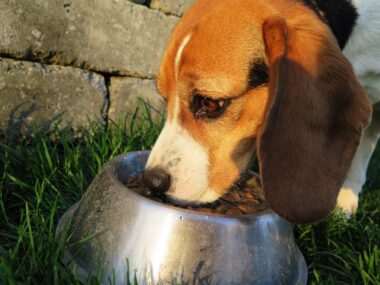
Are Hydrolyzed Protein Diets Safe Long-Term for Dogs?
Understanding hydrolyzed protein diets is crucial for dog owners who are evaluating nutritional options. Hydrolyzed protein diets are specifically designed to reduce allergens and improve tolerance in dogs with food sensitivities and allergies. The proteins in these diets are broken down into smaller peptides, which makes them less likely to trigger an immune response. This dietary approach helps dogs who are prone to adverse reactions due to certain protein sources. Long-term feeding of these diets can be a topic of concern as the implications of extended use have not been exhaustively researched. Many pet owners find themselves wondering if these diets might lead to nutritional deficiencies over extended periods. Dogs require a balanced diet, and it’s vital to ensure that they receive all necessary nutrients, vitamins, and minerals. Therefore, it is essential for pet owners to speak with veterinarians before making any long-term dietary changes. Most veterinarians would recommend periodic assessment to monitor the dog’s health, particularly regarding their condition and any responses to the diet. Consulting a professional can help guide owners toward making informed decisions about their pet’s nutrition.
While hydrolyzed protein diets are a type of specialized nutrition designed to promote health, it’s important to consider the types of ingredients used. Not all hydrolyzed diets are created equal, and the source of the protein can vary. For instance, some diets use hydrolyzed chicken, corn, or other animal proteins. Owners should be aware that the origin of these ingredients can play a significant role in their dog’s overall well-being. Some dogs might not react poorly to hydrolyzed proteins because they are minimally processed and systematically prepared to eliminate allergens. However, a key consideration remains whether the dog can derive adequate nutrition from these diets over time. Long-term feeding of a restricted protein source may lead to secondary concerns such as deficiencies in essential amino acids or other nutrients. Pet owners should also assess the overall diet’s balance and variety. This includes checking for adequate fat, carbohydrates, vitamins, and minerals. It’s always advisable to involve a veterinary nutritionist for tailored advice. This professional guidance ensures dogs maintain their health and thrive while on hydrolyzed protein diets.
There are some benefits associated with hydrolyzed protein diets for specific health conditions in dogs. For example, these diets can significantly improve the well-being of dogs suffering from food allergies or intolerances. The reduced immune response can lead to fewer gastrointestinal upset episodes or skin irritations. However, it’s essential to consider the individual dog’s circumstances. Hydrolyzed diets are not one-size-fits-all solutions, and many dogs may not require this type of diet. Additionally, long-term safety has been a debated topic due to limited studies on extended hydrolyzed protein feeding regimens. While some dogs thrive on these specialized diets, others may experience adverse effects, such as the reluctance to consume food or possible obesity if caloric intake is not properly managed. Responsible pet ownership includes monitoring the dog’s response to diet changes. Owners should closely observe any shifts in their pet’s energy levels, weight, and overall demeanor. Regular veterinary visits are vital to track progress and make necessary dietary corrections, ensuring that dogs receive a wholesome and balanced diet tailored to their unique health needs.
Consulting Your Veterinarian
Consulting a veterinarian is crucial when considering a hydrolyzed protein diet for your dog. Veterinarians can assess your dog’s health conditions and recommend the best diet tailored specifically to their needs. A thorough examination can help identify any underlying issues that might require immediate attention. When discussing dietary options, be open about any observed allergic reactions in your pet. Vets can help distinguish between allergic responses and other health issues, facilitating a better-informed decision. If nutrition modification is necessary, veterinarians might suggest undergoing an elimination diet trial to determine food sensitivities accurately. This process typically involves feeding a single protein source or hydrolyzed diet to monitor changes in health. The trial can extend over several weeks, ensuring that reactions are meticulously tracked. Following a successful trial, your veterinarian can guide the introduction of other foods, determining what is safe or unsafe for your dog. Regular follow-ups can further fine-tune dietary changes, confirming that your dog remains healthy and happy. Open communication with your veterinarian ensures that your dog receives the best long-term nutrition care.
It’s also essential for me as an owner to become educated about the potential long-term effects of hydrolyzed protein diets on my dog. Research and anecdotal evidence suggest that while these diets can be highly effective in managing allergies and intolerances, their long-term implications might still be under-studied. A potential concern is how limited protein sources might affect muscle health and overall vitality. Dogs need a variety of amino acids for muscle maintenance, energy production, and cellular function. Therefore, when following a hydrolyzed protein diet, regular assessments of your dog’s health are essential. Notably, ensure that other nutrients are not compromised in the process. Besides protein, dogs require energy from carbohydrates and essential fats for overall health. Owners must be observant regarding any changes in their pet’s behavior, coat quality, and energy levels, as these can indicate nutritional shortcomings. Maintaining an open dialogue with a veterinarian ensures any issues are addressed promptly. Transitioning to a balanced and diverse nutrient-driven diet could be beneficial in ensuring the longevity of your dog’s health.
While hydrolyzed protein diets are crucial for some dogs, it’s important to consider their alternative measures. Not every dog may require a specialized diet, and many might benefit from a standard, nutritionally balanced dog food that accommodates their health needs. Many commercially available dog foods are formulated to provide a full spectrum of nutrients. Additionally, some dogs could respond well to novel protein sources in their diet. Exotic proteins such as venison or duck can sometimes provide a safe alternative for dogs with allergies. Education about ingredient sources can empower dog owners to make informed choices about their dog’s nutrition. Always prioritize balanced nutritional intake ensuring that dogs receive ample vitamins, minerals, and other health-promoting compounds. Furthermore, maintaining diet variety can promote overall health by preventing food monotony and encouraging palatability. Offering a mix of different flavors and protein sources can keep meals interesting for dogs and encourage better intake. Engaging with veterinary professionals ensures owners find suitable recipes or products tailored to their dog’s unique health requirements.
Conclusion
In conclusion, while hydrolyzed protein diets serve an important purpose for dogs with food allergies and intolerances, their long-term use requires careful consideration. Owners must actively monitor their dog’s health and engage with veterinarians to ensure that the dog’s dietary needs are being met throughout their life stages. Continuous evaluation helps detect any nutritional deficiencies or health issues tied to the diet. The decision to maintain a hydrolyzed diet should not be taken lightly. It should reflect the dog’s individual needs, highlighting the significance of regular veterinary consultation. Providing a diverse and balanced nutritional intake through various food options can also support your dog’s health and well-being. As you navigate the choices regarding your dog’s nutrition, remember that a personalized approach often yields the best results. Ultimately, the well-being of your dog rests on the combination of proper nutrition, veterinary guidance, and tailored care routines that complement their unique health journey. Keeping your dog’s dietary needs top of mind can lead to a better quality of life, ensuring a happy and healthy pet.