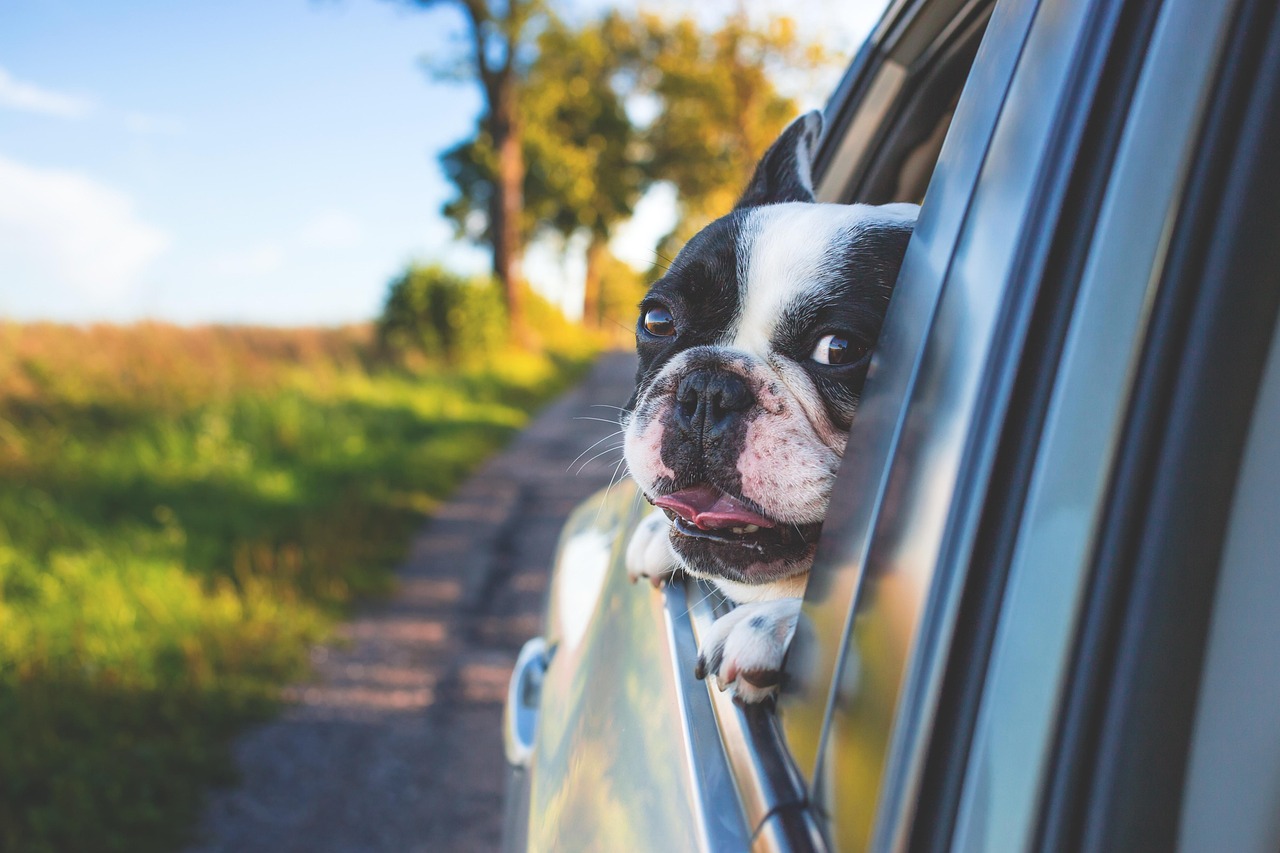

Dog Travel Essentials: Packing for a Road Trip Adventure
When planning a road trip with your dog, packing smart is essential to ensure a smooth and enjoyable journey. Start by organizing a designated travel bag just for your dog. Include their essential items like food and water bowls, a leash, and a collar with IDs. Don’t forget to pack enough food for the entire trip. Bring a vacuum-sealed bag to keep the food fresh and prevent spills. Water is crucial, so consider a portable water dispenser. Additionally, take some bottled water for stops along the way. A veterinarian-approved first-aid kit is also a must-have. This can include bandages, antiseptics, and any medications your dog needs. If your dog is on special diets, ensure you have their food handy. During your travels, time management is key, so plan for frequent breaks to let your dog stretch and relieve itself. Lastly, bring a few of your dog’s favorite toys or blankets to provide comfort during the trip. Sticking to this packing list will help ensure a fun and safe adventure for you and your furry friend.
Health and Safety Gear
Ensuring the health and safety of your dog should be your top priority when packing for travel. Begin by including a pet first-aid kit stocked with items tailored for dogs. This can contain adhesive bandages, sterile gauzes, antiseptic wipes, and a pet thermometer. You may want to consult your vet for specific medications or treatments to include in this kit. Harnesses are highly recommended instead of traditional collars during travel. A secure harness provides better control and safety in case of sudden stops or accidents. A safety restraint or seatbelt for dogs is also a must-have, as it keeps your pet in place while you drive. If your dog suffers from motion sickness, look for travel medications that your vet recommends. Synthetic calming aids can help as well, especially on long journeys. Additionally, be sure to have any vaccination records handy, particularly if you’re traveling to different regions or states. This documentation may be required in certain pet-friendly accommodations and can help avoid any unwanted issues while on the road.
Don’t underestimate the importance of hydration and food during your travels with your dog. Always carry ample water to keep your dog hydrated, especially during long drives. A portable water dispenser is a practical solution. It allows for convenience when making stops for your dog to drink. Bring your dog’s usual food plus some extra, in case of unexpected delays or a longer trip. Storing food in airtight containers can prevent spoilage and mess in the car. When planning rest stops, choose pet-friendly locations where you can safely let your dog stretch and relieve itself. Bring along some treats or snacks to reward your dog for good behavior. Use these treats when your dog behaves well in the car or during breaks. This not only keeps them happy but also strengthens your bond. Pack collapsible containers for travel ease and quick service. These containers won’t take up much space in your travel bag, making it easy to offer food or water anywhere. Adapting your pet’s feeding schedule while traveling can also make the experience smoother, so adjust accordingly.
Comfort and Entertainment
Keeping your dog comfortable during lengthy car trips is vital to a successful travel experience. Start by packing your dog’s favorite blanket or bed, as familiarity can help them relax. A comfortable space can ease your dog’s anxiety and allow for restful sleeping during the ride. A travel carrier or crate can also act as a safe and cozy environment for your pet. Make sure the crate or carrier is well-ventilated and big enough to let them change positions comfortably. Apart from comfort, providing entertainment during the journey is important. Bring along some interactive toys that can keep your dog occupied and engaged. Chew toys or puzzle toys can serve as excellent distractions, particularly during long stretches of the ride. Rotating toys every so often can maintain your dog’s interest. Also, consider packing a favorite toy; the scent of something familiar can bring comfort. Be sure to check on your dog regularly; some dogs may require breaks or more frequent attention, so keeping an eye on them will contribute tremendously to a great traveling experience.
Another crucial factor in planning for dog travel is managing your dog’s bathroom needs while on the road. Regular bathroom breaks can help ensure your dog stays comfortable and avoid accidents. Plan for these breaks at intervals, allowing your dog to stretch and relieve itself. Use rest stops or pet-friendly parks to give your dog time to run and explore. Carry waste bags to clean up afterward, ensuring you leave a clean environment. Consider portable potty solutions for emergencies, especially during long stretches without appropriate stops. This is vital if your dog is nervous or not used to road travel. Be mindful of your dog’s bathroom cues during the journey; they may signal needing to stop. Always have a couple of towels handy in case of muddy paws or unexpected accidents. This adds an extra layer of preparedness to your trip. After your trip, ensure your dog is comfortable and not overly fatigued by the journey. Good bathroom habits can help create a positive association with traveling, leading to future adventures without stress.
Traveling with Different Dog Breeds
Not all dog breeds travel the same way, and it’s essential to tailor your packing list to meet your dog’s specific needs. Smaller breeds often adapt well to travel, and you can easily carry them in a carrier. Make sure you secure their carrier during the drive, so they feel stable and secure. Larger dog breeds might need extra space and a particularly spacious area. For these dogs, investing in a suitable crate that fits their size is recommended. Note, however, that some larger breeds may have a tendency to be restless on the road. Consider a special harness or restraint to keep them secure and reduce distractions while driving. Some breeds may thrive on constant attention, while others may prefer solitude. Understanding your dog’s temperament will guide how much interaction and engagement they need. Pack their favorite items based on their preferences. It’s important to research dog-friendly accommodations beforehand to confirm they can cater to your dog’s size and breed requirements. Always be respectful of your surroundings, ensuring both your dog and those around are comfortable.
Lastly, don’t forget to think about your dog’s familiarity and habits while on the road. Keeping a consistent routine can help alleviate stress. Ensure they are able to stick to their feeding and bathroom schedules as closely as possible. If they have specific commands or phrases they respond to during training, utilize those to provide comfort and direction. Regularly check and adjust their activities based on how they are responding to the travel environment. Be conscious of their needs and understand the signs of stress or anxiety to better support them. Bringing familiar items, like a favorite toy or blanket, can help ease nerves. Ensure you have your dog’s health documentation making it easier to access in emergencies. Being equipped with this knowledge can help ease your anxiety as you navigate uncertainties on your journey. Each road trip is unique, but ensuring appropriate preparations for your dog can make every experience enjoyable. Planning ahead, understanding your dog’s needs, and packing smartly will create lasting memories for you and your furry companion.