
Mental and Physical Exercise Combinations to Calm Dogs
Dogs are known for their playful and energetic nature, which can sometimes lead to hyperactivity. To effectively calm hyperactive dogs, it is essential to incorporate both mental and physical exercises into their daily routine. Engaging in physical activities such as fetch, agility training, or long walks helps to expend excess energy, while mental activities like puzzle toys, scent games, or training sessions stimulate the mind. This combination ultimately results in a more balanced dog. A well-exercised dog will sleep better and be less inclined to act out. Additionally, consistency is crucial; establishing a regularly scheduled exercise routine helps dogs know what to anticipate, reducing anxiety and hyperactive behavior. Owners should assess their dog’s energy levels and choose appropriate activities that suit their physical capabilities. For instance, an active breed may require more rigorous challenges, while a less energetic dog may prefer light walks or gentle play. It’s also important to consider the dog’s age, health, and physical condition when selecting exercises. Tailoring activities to individual needs ensures both mental and physical engagement, leading to a happier and calmer dog overall.
The benefits of combining mental and physical exercises extend beyond just calming hyperactive dogs. Engaging dogs in various activities fosters a strong bond between canine companions and their owners. This interaction enhances trust, which leads to better communication. Involving dogs in coordinated play, like frisbee or agility courses, can create an enjoyable way to incorporate training. Dogs thrive when they have a job to do; thus, offering challenges fulfills their instincts while improving focus on tasks. Regular exercise combats boredom and can prevent destructive behaviors that may arise from pent-up energy. Moreover, incorporating obedience training during exercise sessions makes the time productive and enjoyable. Implementing commands amidst playtime allows dogs to learn necessary skills without the pressure of formal training sessions. Integrating mental stimuli such as learning new tricks reinforces this relationship and keeps dogs mentally agile. Dogs also greatly enjoy using their nose; therefore, scent work can be incorporated alongside physical activities. This helps to keep them engaged on multiple levels, thus channeling their energy appropriately. To ensure a harmonic lifestyle, pet owners should remain committed to such activities, fostering a tranquil home environment for both themselves and their pets.
In addition to the physical and mental benefits, maintaining a routine can significantly impact a dog’s emotional well-being. A structured schedule of activities assists in alleviating anxiety experienced by hyperactive dogs. Regularly scheduled exercise creates predictability, making dogs feel secure in understanding when and how they will exert themselves. Exercise can lead to the release of dopamine and serotonin, hormones that help alleviate stress and enhance mood. Obsessive behaviors linked to anxiety may diminish when a dog consistently understands the expectations set by their owners. Including activities like structured playdates and group training sessions can offer socialization opportunities for hyperactive dogs, further aiding in emotional relaxation. As social creatures, dogs often find comfort in the company of others, which can assist in reducing anxiety. Furthermore, these social interactions can lead to more stable behavior when encountering new environments or situations. As dogs learn to manage their emotions better, they become more resilient to stressful triggers in their lives. Therefore, pet owners should focus on creating opportunities for socialization within their exercise routines to promote a well-rounded and emotionally secure dog.
Engaging Games for Energy Release
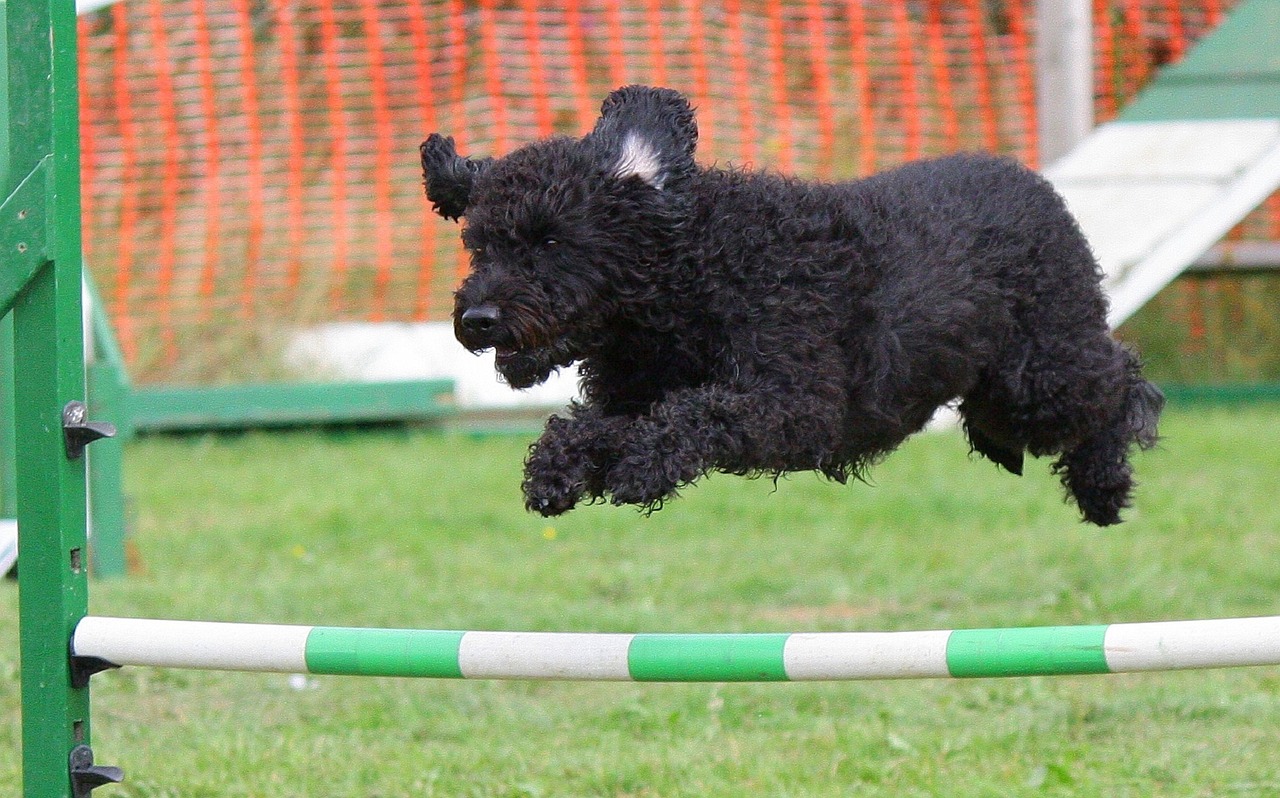
One excellent approach to calm a hyperactive dog is through engaging games designed explicitly for mental and physical stimulation. Fetching a ball or frisbee is a popular outdoor option that allows dogs to release pent-up energy effectively. For a more challenging twist, consider using throw-and-fetch with a twist by incorporating obstacles, making the game both enjoyable and rewarding for dogs. Additionally, interactive games like hide-and-seek can entice dogs mentally and physically, as they use their instincts to locate their human. Utilizing treat-dispensing toys can encourage dogs to work actively for rewards, keeping their minds sharp while ensuring enjoyable exercise. Canine sports like agility training serve as another exciting avenue, pushing dogs’ physical limits through an obstacle course, while simultaneously demanding mental adaptability. The sociable aspect of group training classes can enhance bonding among peers and increase the fun factor in the overall exercise experience. These engaging games not only promote a fit lifestyle but also provide the necessary outlets for reducing hyperactivity in dogs, channeling their energy positively, and establishing fun discipline routines.
Besides the outdoor games mentioned earlier, creative indoor activities can also work wonders in calming hyperactive dogs, especially in inclement weather. Providing various puzzles and toys designed to engage dogs can keep them occupied while enhancing their cognitive abilities. Rotating toys ensures they remain interesting and challenging. For example, KONG toys filled with treats can motivate dogs to work for their rewards. Additionally, organizing indoor play sessions, such as tug-of-war or hide-and-seek with toys, provides stimulation and strengthens the bond with pets. Another effective indoor strategy is scent training; hiding treats around the house encourages pups to explore and use their keen sense of smell actively. Moreover, exposing them to new experiences can help overcome hyperactivity challenges; puppies often benefit from varied stimuli, whether it’s listening to different sounds or encountering various smells within a controlled environment. To encourage relaxation after intense play, introducing calming practices such as gentle massaging or yoga for dogs can be helpful. Through these techniques, pet owners can create a holistic approach to calming hyperactive dogs while offering much-needed physical and mental engagement.
Implementing Routine with Gradual Transitions
Establishing a consistent routine is fundamental in managing hyperactivity in dogs. A routine supports predictability in a dog’s daily activities, fostering less anxiety and establishing a sense of security. This structure can be created by aligning exercise times with daily feeding and play schedules to create a balanced lifestyle. Gradual integration of activities allows dogs to adapt easily without overwhelming them with sudden introductions of exercise. For example, implementing short training sessions before playtime helps set clear expectations. Slowly increasing the duration and intensity of physical activities ensures that the dog remains engaged without becoming exhausted. Furthermore, providing breaks between different tasks allows dogs to recharge mentally and physically. Communication is also pivotal; using positive reinforcement to acknowledge good behavior during transitions enhances their learning experience. This acknowledgment strengthens the bond between dog and owner while reinforcing desirable behavior patterns. Monitoring cues from the dog, such as signs of fatigue or overstimulation, will guide the owner in adjusting the routine effectively. Following this structured approach builds trust, which promotes overall well-being and calmness in hyperactive dogs.
It’s essential to understand that every dog is unique, and what works for one may not suit another. Consequently, a tailored approach is vital when creating an exercise regimen for hyperactive dogs. Owners should pay attention to their dog’s preferences, energy levels, and any underlying health concerns. Adapting activities to fit individual circumstances ensures the dog receives adequate mental and physical stimulation. This personalized approach may involve combining various exercises, encouraging participation in new activities, or even exploring doggy daycare options to provide structured playtime with peers. Being attentive to a dog’s responses will allow owners to personalize their training as their pets progress. Additionally, tracking progress through a journal can help identify which techniques yield the best results over time. This practice allows owners to assess the effectiveness of implemented strategies and promote adjustment when needed. Keeping an open line of communication with veterinarians or animal behaviorists can also provide guidance tailored to specific challenges faced by hyperactive dogs. Ultimately, creating a unique exercise plan offers the best chance of success in calming hyperactive dogs while enriching their overall lives.
In conclusion, the key to calming hyperactive dogs lies in a harmonious balance of mental and physical activities. Engaging them with interactive games, structured routines, and personalized exercises can significantly contribute to reducing stress and anxiety levels. The incorporation of these strategies creates an environment where dogs can thrive emotionally and physically. Owners should prioritize their dogs’ needs and take gradual steps in curbing hyperactivity. By implementing regular exercise routines aligned with training, mental stimulation, and socialization, dogs can develop healthier coping mechanisms. Moreover, such an approach fosters positive engagement, reinforcing the bond between the owner and their furry companions. This not only helps to calm hyperactivity but also enriches their daily experiences, leading to improved behavior and overall happiness. By staying persistent, attentive, and adaptable, pet owners can positively impact both their lives and their dogs’ lives. The journey towards a more balanced lifestyle for energetic dogs is achievable through effort and understanding. With dedication and love, dogs can learn to manage their energy while enjoying their time with devoted owners, ultimately leading to a peaceful coexistence for all.