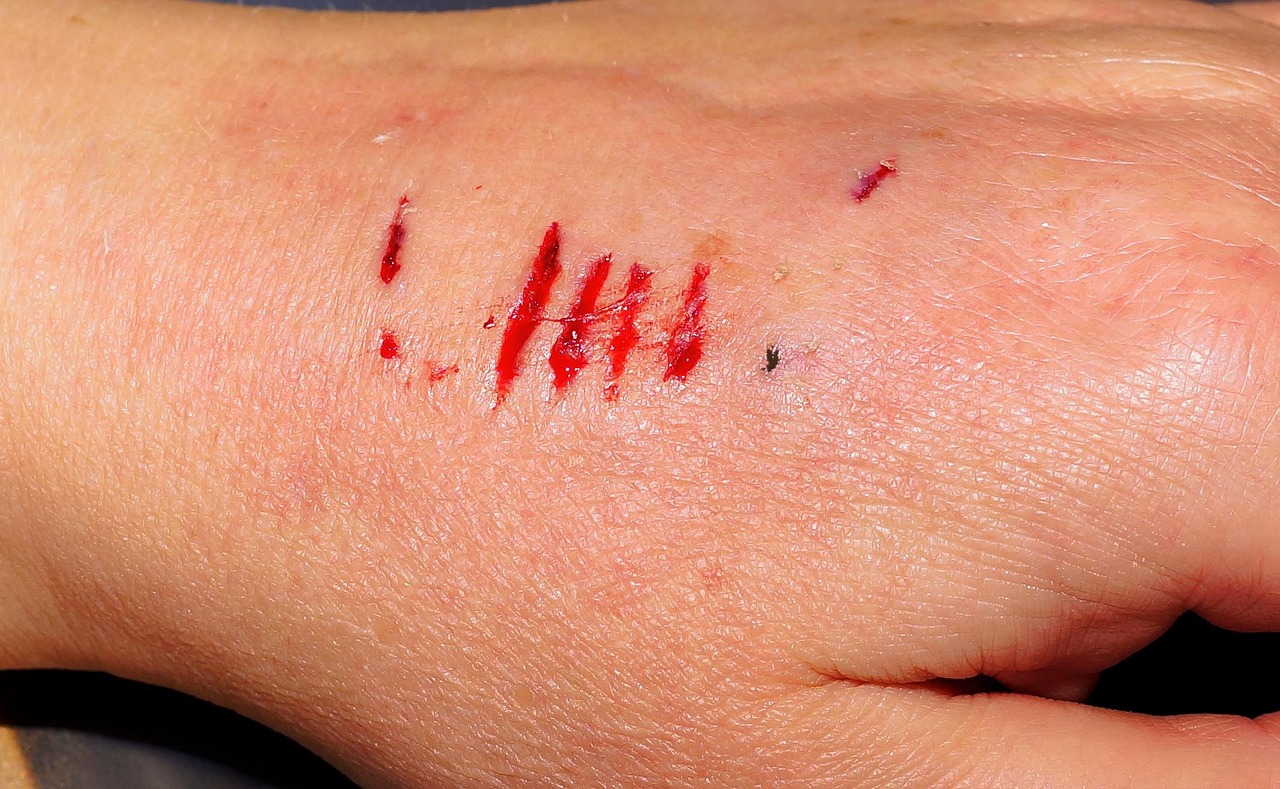

Recognizing Serious Dog Bite Injuries
Dog bites can range from minor nips to serious injuries that might require immediate medical attention. Knowing how to recognize serious dog bite injuries is crucial for pet owners and caregivers. The first sign of a significant injury is bleeding, which can vary in severity. If the wound continues to bleed excessively, applying pressure is essential. Another indicator is the size of the bite—deep puncture wounds could injure muscles, tendons, or bones. In some cases, bites can lead to infections, especially if dirt and bacteria enter the wound. Signs of infection include increasing redness, warmth around the bite, or pus formation. Always seek medical advice should an infection be suspected. Moreover, a change in the dog’s behavior can signify distress; if the dog becomes unusually aggressive or fearful, this could indicate pain from the bite site. Understanding these signs improves the chance of a prompt response and effective treatment. Serious injuries should never be treated lightly, as they may pose long-term health issues. Always remember to consult a vet if your dog exhibits any unusual symptoms following a bite.
Assessing the Severity of Dog Bites
When assessing a dog’s bite, its location can help determine the severity of the injury. Bites to the face, neck, or joints are particularly concerning, as they can lead to complications affecting vital structures. You should check for the depth of the wound, as shallow scrapes might be minor but deeper wounds can damage hidden tissues. Evaluate the size of the puncture holes; multiple puncture wounds usually indicate a serious attack. Note any swelling or bruising around the area of the bite, as this can be a sign of injury to muscle or bone. In these cases, pain may not be immediately apparent, but it can exacerbate over time. This is why you should regularly monitor your pet for any signs of discomfort. Additionally, watch for any changes in appetite or activity levels, as these may signal underlying health concerns. If there is any hesitation about the bite’s seriousness, it is vital to consult your vet. Remember that prevention is always better than cure. Train your dog and monitor their social interactions to minimize aggressive encounters.
Furthermore, understanding dog body language can assist in preventing dog bites. Signs of fear, aggression, or discomfort will often manifest before a bite occurs. Pay attention to the dog’s posture; a stiff stance or raised hackles often suggests a warning. The position of the tail can also offer clues: a low, tucked tail signifies fear while a high tail can indicate excitement or aggression. Additionally, dogs will often make vocalizations, such as growls or barks, to express their feelings. Intervening during these earlier signs can greatly reduce the chance of a more serious incident. Being able to recognize these signals requires vigilance and patience. If unsure how to proceed, consider consulting a professional trainer or behaviorist for advice. You should also educate everyone who interacts with your dog, including children, about proper behavior around pets, especially unfamiliar ones. Knowledge is a powerful tool in reducing dog bites and enhancing safety. In doing so, healthy relationships between dogs and humans can flourish, reinforcing the importance of understanding canine communication. Always prioritize prevention in your journeys with your furry friends.
Immediate First Aid Steps
In the event of a dog bite, swift first-aid actions can make a significant difference in the outcome. First, wash the wound thoroughly with soap and warm water to prevent infection. Apply firm pressure with a clean cloth or bandage to stop any bleeding. If bleeding persists for more than ten minutes, seek medical assistance immediately. After the bleeding has stopped, gently clean the wound using a saline solution if available. Avoid using hydrogen peroxide or alcohol, as these can irritate the wound and delay healing. After cleaning, apply a sterile dressing or bandage to protect the area. Furthermore, monitor your dog closely for signs of discomfort, such as whining or avoidance. Document the bite by taking photos, as this can assist veterinarians or doctors in assessing the injury effectively. If the bite is deep or showing signs of infection, do not hesitate to contact your veterinarian urgently. Remember, ensuring a safe and quick response can help mitigate serious health issues for both pets and humans involved in dog bites.
Once the immediate first aid measures have been taken for a dog bite, follow-up care becomes essential. Regularly check the injured area for any signs of infection such as increased redness, swelling, or discharge. In some cases, the animal may require a course of antibiotics. Always follow your veterinarian’s instructions carefully, especially if prescribed medications. Additionally, providing a comfortable space for your dog to recover is crucial; avoid any rough play or excessive activity during this time. Keeping the injured area clean and dry will help the healing process. Monitor your dog’s eating and drinking habits, as any change can indicate underlying issues. A proactive approach ensures that you catch any potential problems early. If the dog suffers from additional symptoms, such as fever or lethargy, return to the vet for further evaluation. Tracking your dog’s recovery will also provide essential information to your vet. Remember that dog bites can also have emotional consequences; consider providing comfort and reassurance, especially if they had a traumatic encounter. This will aid in their mental recovery alongside their physical healing.
Legal Considerations
Certain legal implications accompany dog bite incidents, which can vary greatly depending on the location and dog’s history. In many areas, owners are held accountable for the actions of their dogs, making awareness of local dog laws crucial. This liability often extends to situations where the dog was unprovoked. Injuries can result in serious consequences, impacting the owner and the victim involved. It’s recommended to consult with a legal professional if you find yourself involved in a bite incident. Document details such as the circumstances of the bite, prior history of aggression, and any witnesses present. Insurance policies may cover dog bite claims, making it necessary to notify your insurance provider promptly. Understanding breed-specific legislation or local animal control laws is equally important, as they can affect your dog ownership responsibilities. Consider attending community classes focused on responsible pet ownership; preventative measures can help minimize incidents. Knowing your rights and obligations as a dog owner can provide peace of mind, ensuring the safety of both animals and humans in everyday interactions with dogs.
In summary, recognizing serious dog bite injuries requires awareness, prompt action, and a comprehensive understanding of appropriate first aid measures. Observing the severity of the injury, assessing animal behavior, and knowing the implications of dog bites, including legal responsibilities, are key components of responsible dog ownership. Always remain vigilant to prevent potential bites, and educate those who interact with dogs on safe practices. First aid needs to be recognized as a critical part of the response plan for dog bites, ensuring the best possible outcome for both pets and people. Consult your veterinarian for a tailored care plan in case of an incident. Knowing how to approach an injured dog can save both lives and provide crucial relief in distressing situations. When we prioritize the care and wellbeing of our dogs, we build stronger bonds. Ultimately, fostering a safe environment promotes their happiness, security, and health. Dogs serve as our companions and guardians; protecting ourselves and them only enhances our shared experiences.