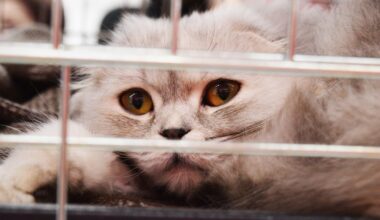
When to Seek Professional Help for Your Anxious Dog
Dog anxiety can manifest in various ways, affecting both the animal and their owner’s well-being. Common signs include excessive barking, destructive behavior, and withdrawal from social interactions. It is important for dog owners to understand their pet’s unique situation before deciding to seek professional help. Anxiety issues can stem from sources such as past trauma, lack of socialization, or changes in the environment. Identifying the triggers behind these behaviors assists in creating an effective approach to treatment. Owners should observe their dogs’ reactions to different situations, allowing them to document patterns or instances when anxiety arises. Keeping a journal can help in pinpointing specific instances and potential triggers, which will be valuable information for a professional. It’s crucial to note that prolonged anxiety can lead to more serious issues if left untreated. Therefore, recognizing when self-help methods are not yielding results is essential. While basic training or relaxation techniques may alleviate mild anxiety, they may not be sufficient for more severe cases. If anxious behaviors persist despite efforts to manage them, it may be time to consult an expert in canine behavior.
Veterinarians and certified animal behaviorists can provide invaluable insight if a dog suffers from anxiety. Seeking professional help becomes necessary when owners feel overwhelmed or if their attempts to calm their dogs are ineffective. Professionals can assess the situation and determine if there are underlying health concerns contributing to the anxiety. For instance, medical issues may manifest as behavioral concerns; thus, a comprehensive health check may be required. In addition, they can recommend behavior modification techniques that are tailored specifically for the individual dog. These techniques often include desensitization exercises and positive reinforcement strategies. It is essential to follow the professional’s guidance consistently to achieve long-lasting results. Routine updates and follow-ups can further enhance progress, allowing for adjustments in treatment if needed. In some cases, medication may be prescribed as a temporary aid. This does not mean that the dog will be reliant on pills, but rather they are used to support the behavior modification process. By working with a professional over time, owners can develop a deeper understanding of their dog’s emotional needs and learn how to address them effectively without increasing stress.
Behavioral Signs to Monitor
Recognizing the signs of dog anxiety is essential for determining the urgency of seeking professional help. Some signs include restlessness, pacing, or attempts to escape from certain areas. Dogs may also exhibit nervous behaviors such as excessive licking, yawning, or panting. If owners observe any major behavioral changes in their dog, it might indicate a shift in emotional health that warrants immediate attention. For instance, a previously friendly dog that starts growling or hiding should be assessed to rule out anxiety. Monitoring interactions with other pets or individuals is also important, as anxiety can manifest during social situations. Dogs may react differently depending on their comfort level with familiar or unfamiliar humans and animals. Taking note of their body language, such as cowering, tail tucking, or avoidance, can shed light on underlying emotional struggles. If any signs become more frequent or more intense, this is a clear indicator that professional intervention is needed. Early interventions result in a quicker resolution, minimizing distress for both the dog and the owner. Ignoring these signs could lead to escalated anxiety and further complications.
It is crucial for dog owners to understand that anxiety is not something that goes away on its own. If left unaddressed, it can lead to a decline in overall health and happiness. Chronic stress may affect a dog’s immune system, leading to various health concerns. Seeking professional help ensures that appropriate strategies are in place to manage anxiety effectively. One key consideration is the dog’s age, as some anxious behaviors may also manifest during certain developmental stages. For puppies, socialization is vital to ensure they grow into well-adjusted adults, while older dogs might experience anxiety related to physical discomfort or cognitive decline. Owners should not hesitate to reach out for help, regardless of their dog’s age. Recognizing the need for support is a positive step towards improving mental health for both the dog and its owner. When questions about anxiety arise, having conversations with experts can alleviate concerns and provide clarity on the best pathway. Collaboration between dog owners and professionals is key to establishing a long-term strategy for maintaining their dogs’ mental well-being and ensuring they lead fulfilling lives.
Integrating Training with Professional Help
Combining professional help with training can harmoniously address anxiety in dogs. Professional guidance can provide structure and support, enhancing the effectiveness of training techniques. Positive reinforcement is a core aspect of training that encourages desirable behaviors while helping dogs associate pleasant experiences with previously anxiety-inducing situations. Awarding treats, praise, or playtime during training sessions reinforces calm behavior and builds trust between the dog and the owner. Consistency in this training approach is essential for seeing effective results. It is important for owners to remain patient and committed as changes take time and may fluctuate. As anxiety is reduced, dogs may gradually become more confident and secure in their environments. Additionally, professionals can teach owners how to read their dogs’ body language and recognize when anxiety begins to surface. This proactive approach allows owners to intervene quickly and implement strategies learned during training sessions. Incorporating relaxation techniques, such as massage or calming music, can further complement training efforts. Collaborating with a professional and maintaining open communication throughout the process will lead to a healthier and happier dog.
Engaging in regular exercise is another important consideration for managing anxiety in dogs. Physical activity helps to release pent-up energy and can greatly improve a dog’s overall mood. Structured walks, playtime, or interactive games provide mental stimulation and promote relaxation. Establishing a routine can also instill a sense of security, allowing dogs to anticipate their activities throughout the day. Furthermore, involving professionals in this aspect can provide insight into the best forms of exercise tailored to a dog’s specific needs. Each dog is unique, and understanding individual preferences is key. A professional can help develop a balanced approach that integrates exercise, training, and relaxation techniques, making it effective in soothing anxious dogs. Owners should regularly assess their pet’s response to various activities, adjusting as necessary to find what works best for them. Maintaining a holistic view that encompasses all aspects of a dog’s life enables owners to address anxiety comprehensively. This consistent commitment to well-being is essential not only for reducing anxiety but also for fostering a strong bond between dogs and their humans. A positive, well-rounded approach yields long-lasting benefits.
Conclusion: Timely Intervention Matters
In conclusion, early intervention plays a vital role in addressing and managing anxiety in dogs. Owners must be mindful of their dog’s cues and signs of distress. It is essential to consult professionals when anxious behaviors are observed or when self-help methods are ineffective in alleviating anxiety. The road to recovery often requires a multi-faceted approach—combining training, exercise, and professional guidance to achieve optimal results. Successful management of anxiety leads to a happier, healthier pet while enriching the bond between the dog and owner. Professionals can devise personalized treatment plans and recommend medications when necessary, paving the way for a fulfilling life together. Furthermore, approaching the situation with compassion and understanding nurtures emotional resilience within the dog. Supportive strategies foster lasting improvements in mental health and offer hope for a brighter future. A proactive mindset empowers dog owners to create safe and loving environments for their pets. Seeking help, staying informed, and remaining patient throughout this journey are key components. Ultimately, investing in a dog’s mental health is a testament to the dedication that pet owners have towards their furry companions, ensuring they live their best lives.
Maintaining a dog’s mental health is as crucial as meeting their physical needs, and early intervention can significantly enhance their overall quality of life. Through open communication with professionals, owners can gain valuable knowledge to help reduce their dogs’ anxiety. Recognizing signs of distress and being proactive allows for valuable interventions, preventing long-term issues from developing. As the bond between a dog and its owner deepens through support and understanding, a shared journey towards healing can flourish. Dogs thrive in environments where their owners are attentive and compassionate, promoting a harmonious coexistence. Seeking professional assistance for an anxious dog is not a sign of failure but a responsible action that fosters well-being. Each step taken towards mental wellness is a positive choice that reaffirms a commitment to the dog’s happiness and health. By engaging in a collaborative effort, owners can ensure their beloved pets find solace and peace. Taking the initiative is a gift not only to the dog but also to everyone involved, making it an enriching experience. By prioritizing mental health, owners will cultivate resilience in their dogs and foster lasting joy and companionship.