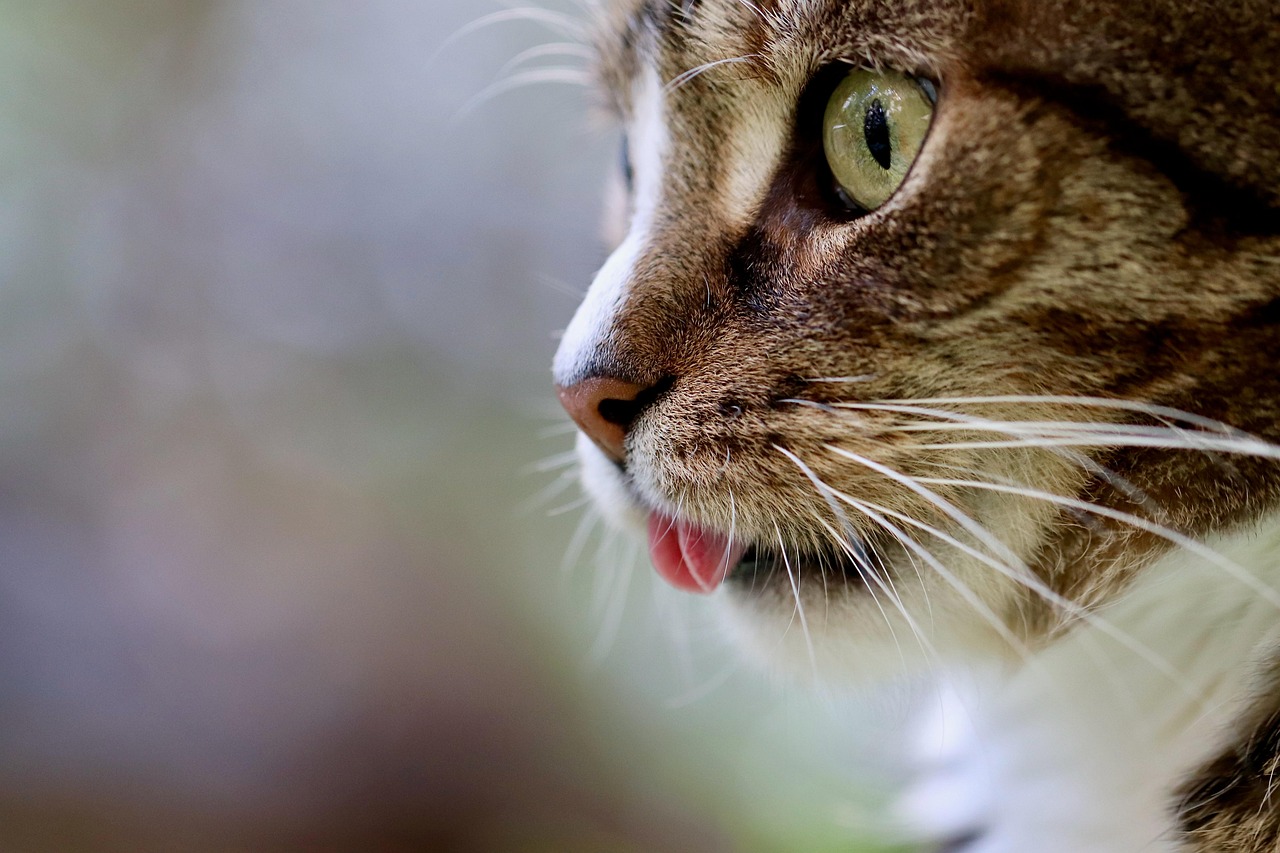

Allergy Testing for Cats: Identifying Human Allergens
Identifying allergens is crucial for maintaining the health of cats. Cats can be sensitive to various human-associated allergens, which can trigger allergies that lead to discomfort. Common allergens include fur, dander, and even certain foods consumed by humans. Testing is crucial to determine specific allergens affecting a cat’s well-being. One common test is a blood test that can identify the presence of antibodies to specific allergens. This helps in creating a targeted approach to mitigate allergy symptoms. Understanding the allergic responses in cats is essential for pet owners. Many cat owners mistakenly attribute symptoms to other causes without knowing they could be due to allergies. Allergy symptoms can include sneezing, itching, and gastrointestinal problems. Regular vet visits are essential for managing these symptoms effectively. Owners should monitor their pet’s responses to various stimuli, including exposure to specific individuals. Documenting these reactions helps the veterinarian make informed decisions and develop an effective treatment plan. Awareness is the first step towards effective allergy management, leading to healthier and happier cats. Responsible pet ownership involves understanding and identifying these health concerns promptly.
Once the allergen is identified, the next step involves managing the allergic reactions experienced by the cat. One effective way to reduce allergens is through environment control. Cat owners can significantly decrease allergen levels by regularly cleaning the home. This includes vacuuming carpets, washing bedding, and employing air purifiers to filter allergens. Additionally, maintaining a clean environment helps in minimizing exposure that might trigger allergic reactions. In some cases, medication may be needed to relieve symptoms. This may include antihistamines or corticosteroids prescribed by the veterinarian. Such medications must be administered under the guidance of a professional to ensure safety and effectiveness. Beyond that, increasing grooming frequency helps reduce dander and loose fur, which are common allergens. Bathing your cat with veterinarian-recommended products can also be beneficial. Maintaining a healthy diet tailored to the cat’s specific needs further supports immune health. Owners should consult their vet for recommendations on appropriate diet options. Understanding the needs and responses of an allergic cat is essential for creating a sustaining management routine that enhances their quality of life.
Recognizing Signs of Allergies in Cats
Cats often display various signs when experiencing allergies, and it is essential for cat owners to recognize them. Signs may include excessive scratching, which often leads to skin infections if not addressed promptly. Fur loss and constant licking of specific areas may also indicate that the cat is reacting to an allergen. Other symptoms can manifest as respiratory issues like coughing, wheezing, or sneezing, which could indicate pollen or mold allergies. Observing these signs carefully is vital for identifying potential allergens and seeking veterinary assistance. In cases where gastrointestinal problems arise, such as vomiting or diarrhea, this may be a sign of food allergies. Pet owners should maintain a diary documenting these symptoms along with any environmental changes. Such records can be instrumental in helping veterinarians reach a proper diagnosis. Allergies can significantly affect a cat’s quality of life and should not be overlooked. Keeping a close watch on behavioral changes ensures timely treatment. Timely intervention typically results in better health outcomes and improved living conditions. Happy cats lead to happy owners, making monitoring symptoms a priority in responsible pet ownership.
Another critical aspect of managing feline allergies is understanding the testing techniques available. Allergy tests primarily fall into two categories: intradermal skin tests and serum IgE tests. Intradermal tests involve injecting a small amount of allergen into the skin to observe reactions. Conversely, serum tests analyze blood samples to measure IgE antibodies against specific allergens. With proper veterinary guidance, pet owners can determine the most suitable method for their cat’s needs. Both techniques can provide insight into the allergens affecting your cat, aiding the veterinarian in recommendation of treatment protocols. Each method has its pros and cons, including accuracy, cost, and invasiveness. Consultation with an experienced veterinarian ensures clarity on these factors. It is also necessary to prepare your feline for potential discomfort during the testing process. Sometimes, sedation is required to keep the cat calm, allowing for reliable results. Owners should also remember that testing does not equate to a definitive cure but is integral for developing a tailored allergy management plan. Careful consideration and comprehensive assessments by a veterinarian pave the way for enhanced feline health and comfort.
Long-term Management Strategies
After identifying the allergens affecting your cat, long-term management strategies should be established. Environmental management is one primary component. Ensuring that homes are clean reduces allergy-causing agents like dust, mites, and dander. Regular cleaning schedules aid in maintaining lower allergen levels in frequently used areas, providing better air quality. Moreover, a thoughtful approach to decreasing direct exposure to identified allergens improves the situation significantly. Regular vet check-ups allow for timely adjustments to the treatment plan based on the cat’s responses. Medications may need to be introduced or modified depending on the severity of the symptoms experienced. Additionally, understanding that allergens can change over time is vital. Some cats might develop new allergies as they age, related to environmental changes or other factors. Continued observation ensures that any emerging issues are promptly addressed. Dietary management also plays a role in supporting overall health and reducing allergic responses. High-quality, allergen-friendly cat food supports immune health. Thus, managing allergies in cats is a comprehensive approach. Therefore, it encompasses cleaning, medical intervention, and dietary considerations for optimal results.
The relationship between humans and their cats can sometimes complicate allergy management. In some cases, owners may experience allergic reactions themselves. To address this, mutual understanding and cooperation are key. Owners can adapt their behavior and routines to minimize allergens while still providing affection and care for their feline friend. This includes designating certain areas in the home where cats are not allowed. Keeping the cat out of bedrooms can significantly reduce dander and improve sleep quality for owners. Bathing the cat regularly and maintaining grooming routines minimizes shedding, ultimately benefiting both parties. When humans and cats share a home, both parties need strategies that ensure comfort and health. In severe cases, if an owner’s allergies worsen, seeking additional assistance may be necessary. Allergen immunotherapy might be an option for humans who want to maintain pet companionship. Through careful consideration and mutual adjustments, harmonious living arrangements can be achieved. Cats and their owners can thrive together despite allergy challenges. Cooperation, dedication, and understanding pave the way for a healthy coexistence between humans and their beloved pets.
Conclusion and Community Resources
In conclusion, managing cat allergies requires a multifaceted approach that emphasizes awareness, testing, and ongoing strategies. Owners can improve their cats’ quality of life by recognizing the signs and understanding the potential triggers. Accessing veterinary expertise allows for informed decisions regarding testing and treatments. Community resources, such as local pet support groups and online forums, can further assist in navigating challenges linked to allergies. Engaging with other cat owners can provide invaluable support. They can share experiences, recommendations, and helpful advice for managing allergies effectively. Furthermore, as more resources become available, ongoing education empowers owners to prioritize health for their cats. Websites such as the American Association of Feline Practitioners provide excellent information and guidelines on allergies. Regular participation in this community fosters collective knowledge, driving positive outcomes. As awareness grows, it’s crucial to advocate for progressive veterinary practices that cater to allergies in pets. Ultimately, a well-informed and proactive approach can enhance the lives of both cats and their human friends. Remember, consistent management leads to healthier relationships, creating happy and vibrant homes.