
Basics of Training Your Dog for Agility Competitions
Training your dog for agility competitions is an exciting journey that requires dedication, patience, and the right approach. To set your dog up for success, establish a solid foundation. Start by introducing your dog to basic obedience commands such as sit, stay, and come. These skills form the basis for agility training and ensure your dog understands your commands. Practicing these commands in various environments helps reinforce their reliability. Next, gradually introduce agility equipment, like tunnels, jumps, and weave poles. Allow your dog to explore each piece of equipment at their own pace, fostering confidence and curiosity. You can also incorporate positive reinforcement techniques, rewarding your canine companion for successful interactions with the equipment. This not only establishes a positive association but also motivates them to perform better during practice sessions. Additionally, it’s essential to maintain short, fun training sessions to keep your dog engaged and avoid frustration. As they master new skills, gradually increase the challenge level, ensuring your dog remains enthusiastic about training throughout their agility journey.
Understanding the Agility Course
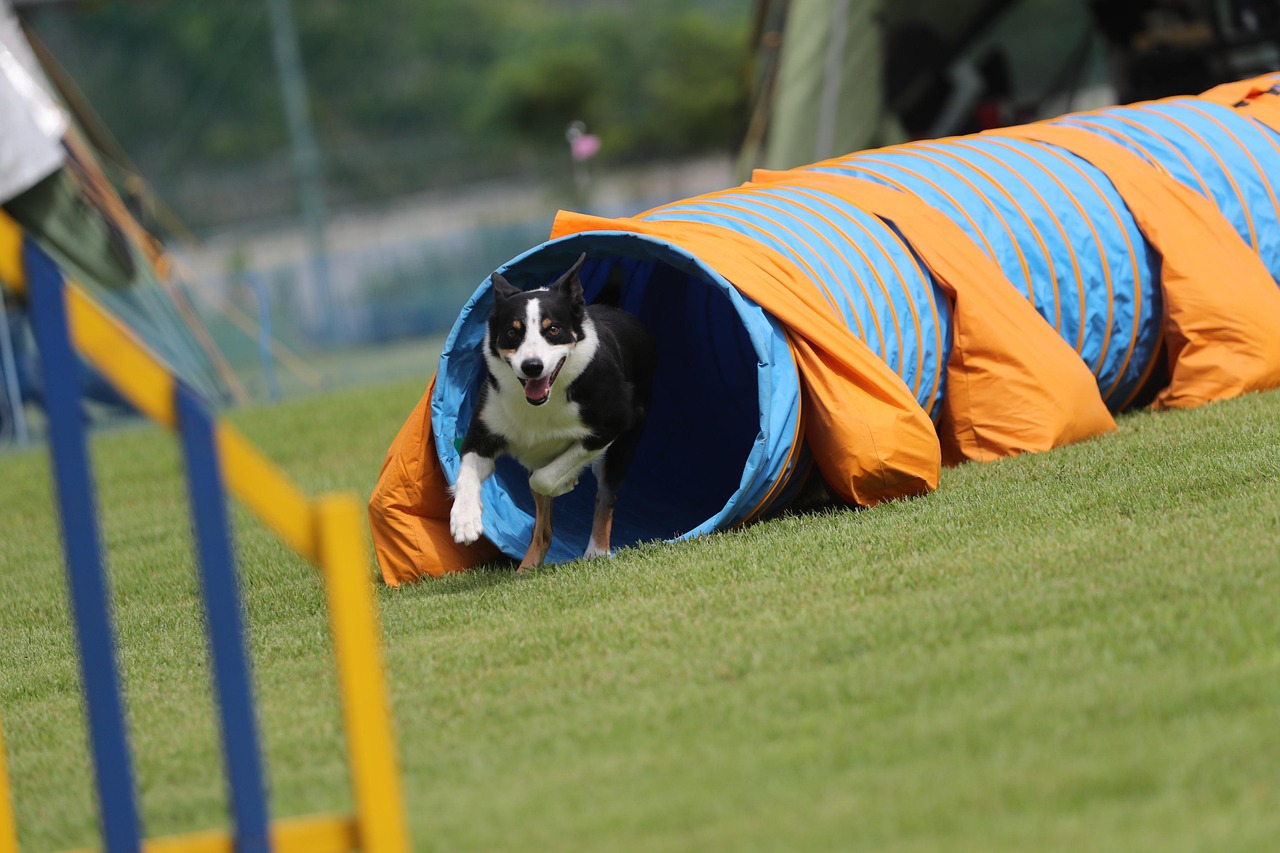
To excel in agility training, understanding the mechanics of an agility course is crucial. Agility comprises various obstacles designed to test your dog’s speed and agility, requiring you to work closely with your canine partner. Familiarize yourself with common obstacles like jumps, tunnels, seesaws, and pause tables. Each obstacle has specific rules and techniques for successful navigation. It’s imperative to understand the course layout, as this will help you train your dog accordingly. Start with one obstacle at a time, ensuring your dog confidently completes each before moving to the next. As they gain confidence, begin combining obstacles into small sequences to enhance their understanding of the course flow. Consistency is key; practice regularly and maintain a positive atmosphere during training sessions. Using short sequences keeps your dog engaged while helping them master each skill. It’s also beneficial to observe experienced handlers and dogs at competitions, providing valuable insights into effective training techniques and course navigation. Remember, agility training is not just about completion; it’s about building a strong bond between you and your dog while having fun throughout the process.
Proper handling during agility training significantly influences your dog’s performance. As a handler, it’s your responsibility to guide your dog smoothly through the course. Familiarize yourself with various cues, such as verbal commands and hand signals, to communicate effectively with your canine companion. Timing is everything; practice giving cues at the right moment to ensure your dog understands your intentions. Working on your own body positioning and movement also plays a vital role; staying aligned with your dog gives them a clear path to follow. Practice your footwork, and remain relaxed, as your dog can sense any tension, impacting their performance. Building a solid connection through eye contact can help your dog feel more secure and focused during their runs. Additionally, practice handling techniques, such as front crosses and rear crosses, to enhance your dog’s responsiveness and adaptability. These techniques will help you navigate the agility course effectively. Don’t forget to utilize rewards to celebrate achievements, reinforcing positive behavior and building a stronger team dynamic. As you and your dog develop a seamless partnership, the agility competition becomes not just a challenge but an enjoyable experience for both of you.
Training the Weave Poles
The weave poles are one of the most challenging obstacles in agility competitions, necessitating specific training techniques. Begin by introducing your dog to the poles without the pressure of speed. Use treats to encourage them to navigate the poles gradually, reinforcing positive behavior and creating a sense of accomplishment. Position the poles in a staggered fashion initially, allowing your dog to take each pole one at a time. As they become more comfortable, gradually move to a more traditional configuration, which encourages continuous weaving. Consistency is critical; practice this skill regularly, always ensuring that training sessions remain short and engaging to maintain your dog’s focus. Use a mix of verbal commands and body cues to guide your dog. It’s also essential to reward them frequently, either with treats or praises, to reinforce their successes. Implement distraction techniques to simulate competition scenarios, preparing your dog for real-life agility courses. Creating a fun environment helps your dog associate weave pole training with positive experiences, making them more excited to tackle this challenging obstacle during competitions. Mastering the weave poles is achievable with patience, persistence, and enjoyable training practices.
Another crucial aspect of preparing your dog for agility competitions is building their physical fitness. Just like humans, dogs need to be in excellent shape to perform optimally. Start with basic exercises to increase endurance, strength, and flexibility. Engaging your dog in regular activities such as walking, running, or playing fetch improves their overall fitness. Consider incorporating specific workouts that target agility skills, focusing on enhancing muscle strength and flexibility, such as jumping exercises and core conditioning. Additionally, include structured activities like canine fitness classes that help strengthen their body while promoting balance and coordination. Ensure your dog warms up before training sessions, gradually increasing the intensity of exercises to prevent injuries. Slow stretching after each workout can also be beneficial in maintaining flexibility. Remember to monitor your dog’s weight, as obesity can hinder performance and increase the risk of injury. A well-balanced diet consisting of high-quality dog food will support their training efforts. Hydration is equally important, especially during physical activities. Ensuring your dog is in great shape enhances their agility training and contributes to a healthier, happier canine companion.
Setting Realistic Goals
Setting realistic and achievable goals is essential for both you and your dog during agility training. Establishing clear objectives helps to maintain motivation and provides direction in your training sessions. Start with small, attainable goals, such as mastering a specific obstacle or improving your dog’s response to commands. Celebrating small victories fosters enthusiasm and encourages continued progress. Keep in mind that every dog learns at their own pace; patience is crucial to ensure your dog remains happy and engaged throughout their training journey. Regularly assess your dog’s progress to modify your goals as needed; this flexibility ensures that neither of you feels overwhelmed. Provide constructive feedback and support to build your dog’s confidence. As skills improve, set higher goals, such as running through an entire course or participating in local competitions. Engaging in competitions is a valuable experience that helps you both grow and develop further. Connecting with a supportive community can provide extra motivation, resources, and encouragement throughout this rewarding process. Ultimately, achieving these goals together strengthens your bond and enhances your overall agility experience, creating lasting memories on your training journey.
Maintaining a positive training atmosphere ensures that the journey to agility competition is enjoyable for both you and your dog. Always approach training with enthusiasm, using upbeat tones and body language to encourage your dog’s engagement. Recognize that challenges will arise, but managing your expectations and remaining patient transforms obstacles into learning opportunities. Celebrate even the smallest achievements, maintaining a joyful environment creates a supportive space for growth. Incorporating play into training sessions reinforces your dog’s confidence and enhances their love for the sport. Striking a balance between seriousness and fun ensures that neither you nor your canine partner feels overwhelmed. Utilizing varied training environments can help simulate competition conditions, allowing your dog to adapt gradually. The more comfortable they become in new situations, the better prepared they’ll be for actual competitions. Engage with fellow dog trainers and agility enthusiasts, sharing experiences and insights that can enrich your training approach. The key is developing not just skills but also a strong partnership built on trust and communication. Over time, these principles create not just a competent agility team but also a fulfilling relationship that makes training a joyful endeavor for both you and your dog.
Conclusion
In conclusion, training your dog for agility competitions is a rewarding endeavor that requires commitment, consistency, and a positive mindset. Stay focused on the fundamentals, gradually introducing agility equipment, and ensuring your dog masters each skill before proceeding. Effective communication, handling techniques, and navigating obstacles are vital components of training, creating a seamless partnership between you and your canine companion. Maintaining your dog’s physical fitness is key to enhancing performance; regular exercises promote strength and flexibility while fostering a healthy lifestyle. Setting realistic goals and celebrating achievements strengthens bonding and keeps motivation high, making training enjoyable for both of you. As every dog has a different learning pace, patience and encouragement play a crucial role in your journey. Lastly, create a positive atmosphere during training sessions, making each experience memorable. Engaging with a supportive community further enriches your agility training experience. By embracing these principles and fostering a strong relationship, you’ll prepare both yourself and your dog for exciting agility competitions. Most importantly, remember to have fun throughout this impactful process, as that joy will reflect in both your performances and companionship in the long run.