
Choosing the Right Time of Day to Monitor Your Cat’s Exercise
Monitoring your cat’s exercise levels requires attention to their activity patterns throughout the day. Cats are naturally crepuscular creatures, meaning they are most active during dawn and dusk. This behavior is rooted in their instinctual hunting habits. To fully understand your cat’s exercise regime, observe them during these periods when they are likely to engage in play and explore their environment. To effectively track their activity levels, consider utilizing a pet activity monitor that allows real-time tracking. By doing so, you can get insights into how often your cat reaches a recommended amount of exercise daily. Consider setting specific times for monitoring their activities besides the dawn and dusk periods to establish a baseline of their behavior. For instance, mid-morning could be another good opportunity as many cats like to nap afterward, making it easier to gauge their exercise levels. By keeping a consistent schedule, you can identify trends in your cat’s activity and help manage their overall health. Understanding when your cat is most active is crucial for developing an effective exercise routine that supports their health and happiness.
Another significant factor in monitoring your cat’s exercise revolves around assessing their emotional state during the day. Cats tend to be more active when they feel secure and stimulated, so the time you choose to observe them matters. If they perceive their environment as safe, they are likely to exhibit more playful behaviors. Setting aside time just after they have eaten can prove advantageous since they are energized and ready to engage. Likewise, observing them during foraging or playing sessions can provide insights into their activity levels. It is essential to note their interest in various toys and activities during these peak periods. Whether they are chasing a laser pointer or playing with a feather wand, various activities can contribute to their overall fitness. Documenting these observations can help identify trends in their behavior and highlight which times foster the most activity. By creating a log, you can later analyze which activities are most effective at encouraging your feline friend to exercise. This information is essential for optimizing their health and well-being in the long run.
Identifying Patterns in Cat Activity
As you monitor your cat’s daily activities, it’s vital to look for patterns that emerge over time. Many cats exhibit consistency in their routines, especially concerning when they prefer to eat, play, and rest. Notice whether your cat becomes more playful after a specific feeding schedule or when they consistently wake from a nap. Regular patterns can assist you in determining the optimal timing for interactive play sessions with your cat. For instance, if your cat is particularly energetic after their evening meal, schedule playtime accordingly to maximize their engagement. Tracking the frequency and duration of play can also guide you in recognizing when they get tired, preventing overstimulation and ensuring they enjoy their activities. Try to document their behavior over several days or weeks, which can reveal preferences for certain toys or games during designated times. The more you record this data, the clearer the picture becomes of your cat’s daily activity levels. Ultimately, recognizing these patterns can guide you in structuring a routine that harmonizes their natural rhythms, enhancing both exercise and bonding opportunities.
In addition to observing your cat’s activity during specific times, utilizing technology can play a significant role in tracking exercise levels. Various apps and devices are designed to help cat owners monitor their pet’s activities conveniently. Wearable pet trackers offer detailed insights into your cat’s movements, allowing you to record areas they frequent and their average activity levels throughout the day. This kind of data can help you identify times when your cat is less active, enabling you to intervene with stimulating activities during those low-energy phases. Regularly analyzing this information can help you make necessary adjustments to their routine ensuring they get more physical and mental stimulation. Moreover, if your cat has specific medical conditions or mobility issues, keeping track of their activity can be instrumental. These records will also be valuable for veterinary visits, as you can provide detailed feedback on their exercise habits. With so many tools available, monitoring your cat’s exercise becomes manageable and tailored to their unique needs and personality, fostering a sense of well-being and promoting active play.
Seasonal Changes and Activity Levels
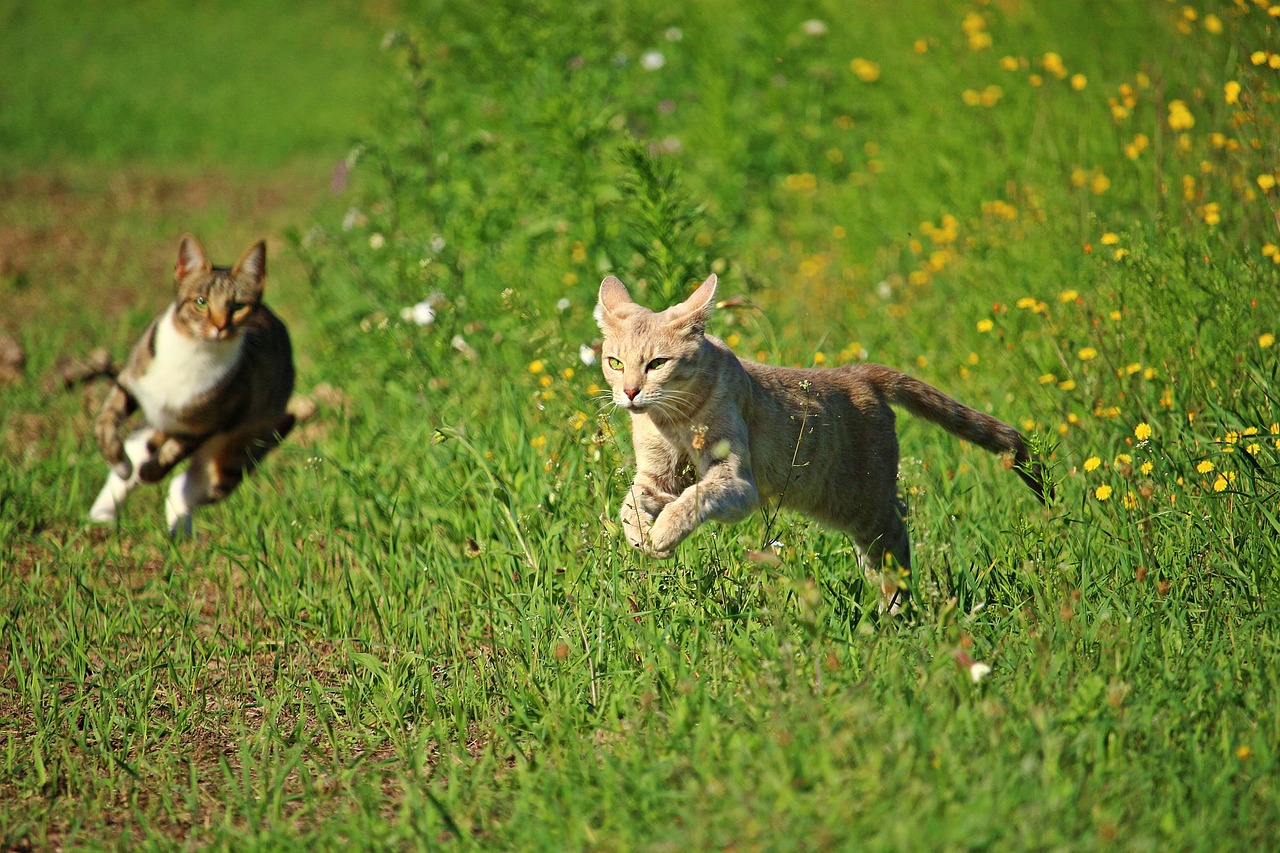
Seasonal changes can significantly influence your cat’s activity levels and exercise patterns. For instance, during the summer months, cats may be more inclined to play outdoors, exploring their surroundings and engaging in natural behaviors. In contrast, colder months may prompt more indoor lounging and less adventurous behavior. Understanding these shifts is essential for successfully keeping your cat active throughout the year. When the weather changes, you may need to adapt your schedule to find the right opportunities for engaging your feline friend. If your cat enjoys being outside but the temperature drops, consider indoor activities that mimic the excitement of the outdoors. Use toys that encourage exploration or set up obstacle courses that stimulate their instincts. Also, monitor any changes in their appetite or sleep patterns with seasonal shifts, as these can also affect their energy levels. Tracking these seasonal patterns allows you to tailor your cat’s exercise regimen effectively, ensuring they receive adequate stimulation, promoting overall health, and reducing the risk of obesity as they navigate through these fluctuations in activity.
Creating a stimulating environment for your cat can significantly enhance their overall activity, regardless of the time of day. While monitoring their daily habits, look for opportunities to improve their surroundings, ensuring they have access to various interactive toys, scratching posts, and climbing structures. By optimizing their environment, you encourage your cat to explore and engage more frequently, improving their physical health. Additionally, engage them during primary times of the day when they are most active, as their natural curiosity will lead them to participate. Establish a rotation of toys to maintain their interest, keeping things fresh and exciting for your feline friend. Moreover, providing opportunities for mental stimulation can complement their physical needs, leading to a well-rounded exercise routine. Incorporate puzzle feeders and activities that warrant problem-solving skills, adding a layer of enrichment that fosters both mental and physical well-being. As their environment becomes more enriching, you’ll likely notice an increase in their activity levels and overall happiness. Tracking these changes can help you identify which environmental enhancements resonate best with your cat for a balanced lifestyle.
Conclusion: Fostering a Healthier Lifestyle
Monitoring your cat’s exercise levels is essential for fostering a healthier lifestyle. By focusing on optimal times of day and recognizing your feline’s instincts, you can facilitate improved engagement and activity. Understanding their behavior allows for more tailored play sessions that meet their needs, keeping your cat active and stimulated. Technology can play a role in tracking activity patterns effectively, aiding in identifying trends and ensuring you provide appropriate physical stimulation. Remember that each cat is unique, so what works for one may not apply to another, requiring some experimentation and adjustments. Engage with your cat through varying playful activities and be attentive to their preferences, continually tracking their response. This proactive approach helps maintain their fitness levels, encouraging longevity and enhanced quality of life. Incorporating outdoor play and providing a stimulating indoor environment further enriches their routine. Ultimately, a reflective approach to monitoring your cat’s exercise will yield numerous rewards, helping create a loving bond with your pet while ensuring their well-being through active play and mental stimulation, supporting their overall happiness and health.
Practicing consistent monitoring of your cat’s exercise habits aids in fostering a healthy relationship and lifestyle. Regular engagement and observation can greatly augment both physical and emotional well-being, creating a balanced partnership focusing on mutual enjoyment. By understanding your cat’s routines and activity levels, you enhance your ability to meet their needs effectively. Active playtime strengthens your bond as it provides comforting moments around which you can connect. Moreover, tailored activities keep their physical fitness in check, ensuring they remain at a healthy weight. In addition, stimulating environments create avenues for discovery, leading your cat to exhibit innate curious tendencies while exploring their space. By encouraging natural behaviors, you contribute positively to their happiness. Moving forward, prioritize your cat’s individual preferences and responses during monitoring, adjusting your strategies accordingly for optimal outcomes. Lastly, consider involving other family members in your monitoring process, fostering a family-wide effort towards eco-friendly exercise choices. By establishing a supportive network, your cat will benefit from increased engagement, leading to a richer overall experience. Supporting their physical capabilities not only elevates their happiness but also enhances their aptitude for daily interactions.