
Essential Warm-Up and Cool-Down Exercises for Your Dog’s Weight Management
Understanding the significance of exercise in preventing canine obesity is essential for every dog owner. Regular activities help maintain a healthy weight, ensuring your pet’s longevity and happiness. Incorporating warm-up and cool-down routines into your dog’s exercise regimen is crucial for safeguarding their joints and muscles. Warm-ups prepare your dog by gradually increasing their heart rate. Cool-downs assist in allowing your pet’s body to recover after intense physical activity. This structured approach helps reduce muscle soreness and discomfort. When considering exercises for your furry friend, always account for their age, breed, and physical condition. It’s advisable to consult a veterinarian before initiating any new exercise program. They can guide you on the appropriate intensity and duration tailored for your dog’s unique needs. Ensuring a balanced approach prevents fatigue and injury, making exercise enjoyable. In addition to helping control weight, routine physical activity strengthens the bond between you and your pet, enhancing your overall relationship. Creating a consistent exercise schedule can lead to a more active, healthier lifestyle for both of you.
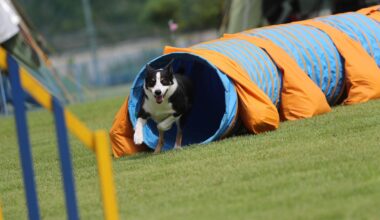
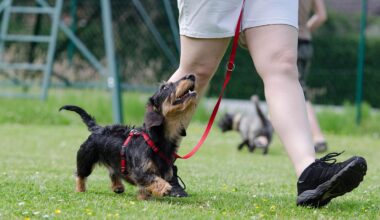
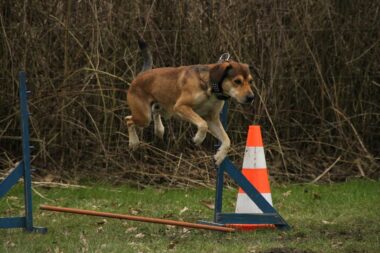
To start, simple warm-up exercises can include light walking or jogging. These gentle movements elevate your dog’s heart rate, thereby preparing muscles for more vigorous activities. Gradually increase the pace over several minutes, allowing your dog to adjust comfortably. Adding stretches, such as gentle leg lifts or shoulder rolls, can enhance flexibility. Engaging your dog with toys during warm-ups can make the process enjoyable. Keep a close eye on their movements to ensure they are not overexerting themselves. After the warm-up, select various activities, including playing fetch or engaging in agility courses. Aim for at least 30 minutes daily to help them shed extra weight. Focus on interactive games that stimulate both mind and body, ensuring your dog remains engaged and active. When exercise times conclude, it’s equally important to incorporate a cool-down routine. Gradually decrease the pace after high-intensity activities to help your dog’s heart rate return to normal, preventing dizziness or fatigue. Light walking paired with slow-paced stretching can be beneficial. Maintaining hydration throughout is vital, especially during the warm-up and cool-down phases.
Rewarding your dog after each session will keep them motivated and eager to participate. Treats can reinforce positive behavior, ensuring they associate exercise with fun experiences. However, ensure the treats are healthy and fit into their daily diet to prevent any unwarranted weight gain. As part of maintaining canine obesity, keeping a log of your dog’s activity can also be valuable. Documenting exercise durations and types helps track improvements and allows observations of patterns. If you notice any signs of fatigue or disinterest, adjust the routines. Activities should never be forced; your dog should enjoy their exercise time. Engaging them with other friendly dogs can add variety and stimulate their social interactions, making exercise a delightful experience rather than a chore. Adaptations in activities may be necessary as your dog ages or if they face health issues. Regular consultations with your veterinarian are key to ongoing success in customizing these programs. Remember, a well-balanced approach ensures your pet remains fit while reducing the risk of obesity-related health problems.
Importance of Balance in Exercise
In establishing a routine that promotes weight management, understanding the need for balance is essential. While it is important for your dog to get sufficient exercise, rest and adequate recovery are equally crucial. Canine obesity can worsen if activities are pushed without allowing recovery. Learning to recognize your dog’s limits is vital in these scenarios. Gauge their response to warm-up activities and adjust intensity accordingly. Likewise, be mindful of the weather, as extreme temperatures can affect your dog’s ability to exercise safely. In warm weather, early mornings or late evenings are ideal for outdoor activities. Conversely, cold temperatures may necessitate shorter indoor sessions. Always inspect the exercise area for hazards, such as sharp objects or uneven ground. Having a safe environment ensures that your dog can exercise freely without injuries. Consider alternate methods such as treadmill workouts or swimming, particularly for dogs who may struggle with certain activities. Variety not only keeps your dog engaged but can also aid in more balanced weight management by utilizing different muscle groups.
In addition, providing mental stimulation through puzzle toys or training activities is important for managing obesity effectively. Mental exercises require energy and focus, contributing to overall well-being. Incorporating training sessions into your dog’s routine can also amplify the benefits of physical exercise. Obedience training provides an excellent way for your dog to expend energy while reinforcing positive behavior. Consistency and patience in training yield the best results, leading to enhanced communication between you both. Recall that every breed may have different physical requirements and energy levels; adjust routines accordingly. It is essential to engage a plan that matches your dog’s unique needs. For instance, a high-energy breed may require extended exercise durations, while a low-energy breed may thrive on shorter sessions. Balancing these needs ensures your dog remains active without risking injury. Ultimately, effective weight management yields long-term health benefits, enhancing their quality of life and longevity.
Monitoring your dog’s weight should also be done consistently, as fluctuations can indicate changes in health or activity levels. Weigh them periodically to track their condition, as it is easier to address weight gain before it becomes problematic. Collaborating with a veterinarian may be beneficial for setting specific target weights. Ideal weight recommendations can vary tremendously based on breed and age, so having expert input will help. Incorporate activities that focus on strengthening rather than just cardio workouts. Core strengthening exercises such as sit-ups or heel position can assist in developing important muscle groups, helping your dog maintain optimal weight. Consult resources such as training courses or canine fitness books for fresh ideas and expert advice. Keeping fitness sessions enjoyable leads to improved compliance from your furry friend. Evaluate your dog’s enthusiasm for activities and be flexible with your routine to ensure satisfaction. Always stay attuned to your dog’s cues, as these will be your most reliable guide in determining what works best for them.
Final Thoughts on Canine Exercise
Adopting a routine for weight management through tailored warm-up and cool-down exercises requires commitment. Emphasizing variation in activities alongside consistent monitoring ensures your dog remains engaged and healthy. Pay attention to your dog’s enthusiasm, determining if adjustments are needed. Lack of interest in certain exercises might signal the need for a refreshing approach. Mixing up the environment can yield marvelous results; introducing new locations provides mental stimulation and excitement. Activities in new settings can rekindle your dog’s enthusiasm for exercise. Always prioritize safety and comfort during workouts. Remember, effective weight management requires a well-rounded approach, one that encompasses both physical and mental engagements. When your dog feels fulfilled, they exhibit fewer behavioral issues, making training periods enjoyable. Encourage socialization, as dogs that interact with others often enjoy exercise more due to applied motivation. Reminders of the benefits of weight management, including reduced health risks and enhanced vitality, should motivate every dog owner. Set goals, celebrate achievements, and observe the profound impacts of exercise on your dog’s quality of life.
With dedication and the insights shared, you establish the foundation for successful weight management. Never underestimate the power of love, play, and companionship during exercise times. Incorporating simple warm-up routines combined with ample cool-downs paves the way for a healthier, happier canine companion. Above all, enjoy every moment spent exercising with your dog. Cherishing these experiences strengthens the bond you share, creating memories that last a lifetime. Allow your dog to be involved in decisions, such as choosing playtime locations or activities. Their preferences contribute not only to engagement but also provide insight into their individual personalities. Fine-tuning your routine should be an ever-evolving process, driven by your dog’s unique responses and enthusiasm. Incorporating their feedback into exercise planning ensures long-term success for managing weight. Make exercise a lifestyle rather than a chore, fostering a culture of health. Ultimately, you and your dog embark on a fulfilling journey toward better health together. The joy of spending time with your furry friend while prioritizing their fitness will reward both of you. Start today, and watch the transformation unfold.