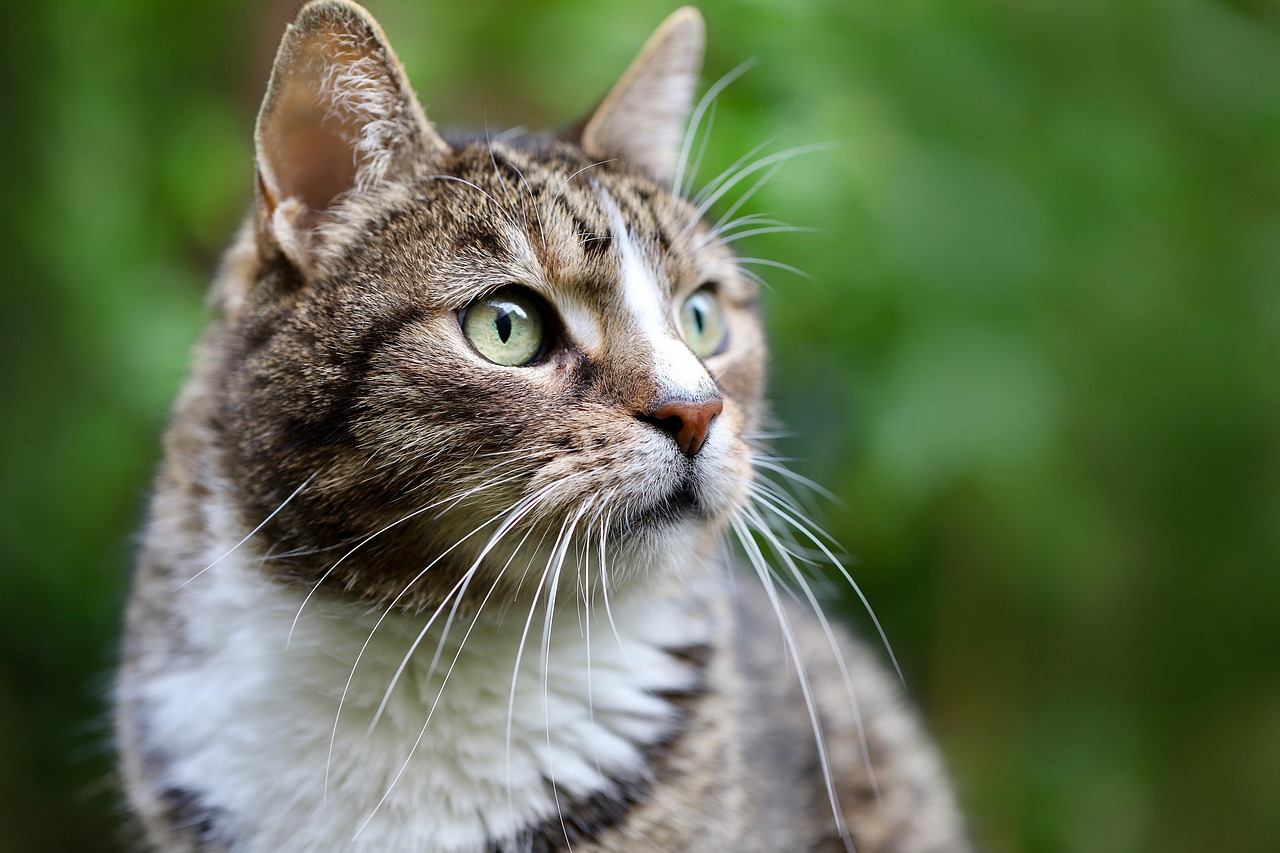

The Importance of Whiskers in Cat Communication
Understanding cat communication is integral to their mental health. Whiskers, also known as vibrissae, serve as a primary tool for cats to navigate their surroundings and interact with other cats. These long, sturdy, tactile hairs are highly sensitive and can pick up on minute changes in the environment, such as air movement. The positioning of a cat’s whiskers can indicate various states of emotion or intent. For instance, when a cat is focused or hunting, its whiskers will extend outward. Conversely, when a cat is feeling threatened or anxious, the whiskers may retract. This information can assist owners in recognizing when their pets are distressed or relaxed. Further, understanding these signals allows for better communication between cats and their human companions. Price and behavioral changes, when properly interpreted, can enhance the bonding experiences between pets and their owners. This sensitivity means whiskers help cats to explore in dark places where they cannot see. Recognizing the subtle signals given through whiskers is vital for proper care and understanding, ensuring a harmonious relationship.
Whisker Positioning and Emotional States
Whisker positioning is not just an idle trait; it provides significant insight into a cat’s emotional state. For example, whiskers that are pointed forward can indicate that the cat is alert, curious, and ready to pounce or play. This posture typically happens when there’s something interesting for the cat to investigate. On the other hand, whiskers that are pulled back against the face suggest that the cat may be frightened, agitated, or trying to appear smaller and less threatening. Observing these whisker movements can assist cat owners in discerning their pet’s feelings in various situations. Moreover, a cat with whiskers that droop may be showing signs of tiredness or indifference. Owners should take these cues to heart, as they provide vital insight into the cat’s emotional landscape. Behavioral adjustments can be made based on these signals, improving overall welfare and mental health of the pet. Additionally, understanding these signals can foster trust and security between the animal and its owner, enhancing their bond significantly. Further education on whisker communication is essential in interpreting feline emotions accurately.
The significance of whiskers extends beyond emotional states; they also play a crucial role in spatial awareness. Cats use their whiskers to measure gaps and assess the width of openings they wish to navigate. When approaching a new space or item, cats cautiously gauge if they can fit through without getting stuck or injured. The effectiveness of their whiskers can greatly influence their confidence and comfort levels, especially in unfamiliar environments. A cat’s whiskers are roughly as wide as its body, aiding in decision-making regarding movement and exploration. This mechanosensory perception is what allows cats to maintain balance and coordination in the dark or tight spaces. Understanding the function of whiskers in spatial awareness can help minimize anxiety in cats. By creating open and exploratory environments where their navigational instincts can thrive, owners can significantly enhance their feline’s mental health. It’s essential to recognize that whiskers are not merely aesthetic features but vital tools for their interaction with the world and navigation within it. Care should be taken not to trim or alter whiskers as they are essential for their self-awareness and emotional comfort.
Health and Whiskers
Whiskers also serve as an indicator of a cat’s overall health. If a cat is losing or breaking whiskers frequently, this could be a sign of underlying health issues or stress. Cats may experience whisker fatigue, where overstimulation of the sensory nerves can lead to discomfort. This condition may cause cats to react negatively when engaging with their environment, which indicates a need for a change in their surroundings or therapeutic interventions. It is crucial to regularly inspect your cat’s whiskers to ensure they are healthy. Dry, brittle whiskers could be indicative of a nutritional deficiency or some form of health problem. A cat’s whiskers should appear strong and intact, contributing to their ability to navigate their surroundings successfully. If you notice abnormalities, consulting a veterinarian is paramount to rule out any serious conditions. Holistically, owners should consider how their cats’ environments affect their mental state and health. Enriching their living space can significantly improve their mental health and whisker functionality by lowering stress levels and creating a safe environment.
Additionally, whiskers can indicate social interactions among cats. When cats greet each other, their whiskers may play a vital role in communication. By observing biomechanics and nuances in whisker positions during interactions, owners can better gauge how cats feel about each other. For example, friendly cats will maintain forward-facing whiskers as they approach one another. In contrast, whiskers that are bristled or tense may indicate aggression or territorial disputes. Listening to these non-verbal cues significantly contributes to reducing conflicts and enhancing social interactions between cats in multi-cat households. Owners should also note that excessive aggression can lead to increased stress levels, which might revolve around improper social structure or lack of space. Providing an option for cats to retreat and feel secure can lead to better overall dynamics among multiple cats. By learning about these social cues related to whiskers, owners can assist in fostering harmony and understanding within the feline family, improving their mental health and overall well-being. Observing and interpreting these dynamics is beneficial for the cats and owners in ensuring happiness in shared spaces.
The Role of Whiskers in Bonding with Humans
Whiskers not only facilitate communication among cats, but they also enhance interactions with humans. When a cat comes close, often rubbing its face against a human, it’s a sign of affection and marking their territory, which includes the whiskers. Understanding this behavior is crucial for developing a trusting relationship with your cat. Whiskers play a vital role in helping cats identify their surroundings, including their human companions. Their sensory nature allows them to feel and sense emotions emanating from humans. A cat rubbing against you and allowing you to touch their whiskers is a clear sign of trust and comfort. Building this bond requires patience and understanding of your pet’s communication signals. Owners can make the experience enjoyable and playful, creating a secure environment for their pets. Engaging playtime and interactive toys can help in further strengthening the bond. Recognizing the significance of whiskers within the scope of human interactions encourages emotional connection between cats and owners. Ultimately, understanding whisker signals enriches both the human’s experience and the cat’s emotional health, leading to fulfilling companionship.
The impact of whiskers on a cat’s communication is profound, indicating a diverse range of moods and feelings. Owners should educate themselves on these nuances for healthier interactions. Cats rely heavily on their whiskers to interpret both their environment and social interactions. Understanding these traits adds depth to the relationship between cats and their owners. In conclusion, the importance of whiskers extends far beyond their appearance; they are intrinsic to a cat’s communication signals. Awareness and interpretation of these signals significantly contribute to better mental health for the cat. Environments that consider the emotional needs of a cat tend to foster happier and healthier pets. By enhancing education on whiskers, owners can empower positive experiences and relationships with their cats. Providing an enriching home while understanding the importance of whiskers fosters a safe and loving atmosphere. The connection formed between the owner and cat is foundational for a mutually beneficial living situation, where communication flows easily, and trust is built on a solid foundation. Truly, this intricate system of whiskers plays a crucial role in overall cat well-being and happiness.