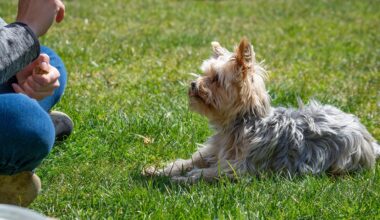

Using Scent Marking to Enhance Dog Socialization
Scent marking is a natural behavior observed in dogs, serving various social purposes within canine communities. Understanding this instinct can enhance how dogs interact with each other and their environment. When a dog marks its territory, it communicates vital information to other dogs, such as reproduction status, health, and hierarchy. These scent signals help establish social structures within dog populations and assist in their communication. Socialization for dogs involves more than just familiarizing them with different environments; it extends to understanding these scent signals. Allowing dogs to engage in scent marking creates opportunities for them to socialize with fellow canines. Observing and interpreting these scents fosters a greater understanding between dogs, resulting in improved interactions and fewer conflicts. It’s essential to remember that scent marking also helps alleviate anxiety in dogs who may feel stressed in new situations. By allowing them to express this natural behavior, owners can ensure their pets feel more secure and confident during social encounters. Overall, embracing scent marking can facilitate healthy socialization and help build a strong bond between dogs and their human companions.
Recognizing the significance of scent marking goes beyond mere communication; it fosters social bonding among dogs. When dogs meet, they engage in a ritual of sniffing, which allows them to gather information about each other’s health, identity, and emotional state. This exchange is crucial for establishing trust in dog relationships. For nervous or anxious dogs, scent marking promotes a sense of familiarity with their surroundings and the dogs within it. Providing an environment where dogs can safely scent-mark encourages them to explore and learn. Dog parks serve as perfect spaces where canines can freely investigate each other’s scents, thus strengthening their social skills. All dogs are unique, and some may be more inclined to mark than others; owners should observe their individual behaviors closely. A dog that marks frequently may feel more confident and at ease in different environments. Educating pet owners about the importance of scent marking can facilitate better understanding between canines and their humans. Additionally, promoting this behavior creatively, such as through scent trails or games, may further enhance the dogs’ social interactions while they learn important skills in a playful manner.
The Role of Scent Marking in Dog Behavior
Scent marking plays a vital role in shaping dog behavior, particularly during social interactions. Dogs socializing through scent will help them express their presence and establish personal territory more effectively. When a dog encounters another, the scent marking process serves as a way to determine compatibility based on their unique pheromonal signatures. By allowing dogs to engage in these behaviors, owners can reduce tension during new encounters, leading to reduced aggression and heightened understanding. Scent marking influences document essential cues about a dog’s identity; their health status can be assessed through particular scent signals. Understanding these scents enables pet owners to recognize potential health issues that may need addressing. Furthermore, teaching puppies appropriate scent-marking behaviors can fortify their understanding of social hierarchy, ensuring they develop positive social skills as they mature. Dogs often learn from one another, so engaging in scent marking enriches their lives and helps them assimilate into their pack dynamics. It’s crucial to monitor this activity in various dog environments and maintain consistent training, enabling dogs to learn effectively while enjoying the benefits of scent marking during socialization.
The benefits of scent marking extend not only to dog-to-dog interaction but also to their relationship with humans. Engaging in scent marking can create pathways for pet owners to connect better with their furry companions. Through scent, dogs can convey their feelings, needs, and even anxieties to their humans, offering insight into their emotional state. Consequently, pet owners should pay attention to the changes in scent-marking behavior, as it can indicate underlying issues in their dogs’ well-being. By creating environments for safe scent-marking opportunities, such as walking routes or open spaces, pet owners can aid their dogs’ emotional health. Incorporating scent work into training sessions can also capitalize on their interest in scents while providing a productive outlet for their energy. Activities like scent trails or hide-and-seek can stimulate dogs mentally and emotionally, strengthening the bond between pet and owner. With consistent monitoring of behavior patterns related to scent marking, an owner can better understand their dog’s unique personality. Promoting these connections ensures that a dog feels supported and loved, paving the way for enhanced social skills and well-being.
Training Techniques to Encourage Scent Marking
To nurture healthy scent-marking behavior in dogs, certain training techniques can be implemented to create positive experiences. Begin with socialization exercises early in a puppy’s life, allowing them to explore different environments. Providing opportunities for pups to encounter a variety of scents can heighten their interest in marking. Employing positive reinforcement techniques such as praise or treats can encourage scent-marking behaviors when they occur naturally. For example, when a dog sniffs and marks an appropriate spot, immediately reward them to reinforce this behavior. Training outings to configured areas suited for successful scent marking, such as parks or dog-friendly trails, can amplify these opportunities. Additionally, agility and scent games can promote excitement around marking experiences. Slowly introducing controlled playdates with other familiar dogs can also incite natural marking behavior while enhancing social interactions. Incorporating scent-based training into regular routines fosters enrichment and adds depth to their socialization. By making marking a pleasurable activity rather than a stressful one, owners can ensure their dogs develop confidence and proper social behavior efficiently. Also, consistently observing and guiding their marking behavior can cultivate understanding and a better relationship.
Providing a proper environment for scent marking is crucial to enhancing dog socialization experiences. Spaces designed specifically for dog exploration can encourage healthy behaviors while minimizing stress during interactions. For example, having designated scent-marking areas in dog parks creates safer environments for dogs to socialize without aggression. Owners should prioritize locations where dogs can sniff and explore safely, reducing the temptation to mark inappropriately or aggressively with unknown dogs. Implementing structured playgroups allows dogs to socialize with familiar and compatible dogs, ensuring their comfort when engaging in scent behavior. Furthermore, participation in dog clubs or training classes that emphasize scent involvement can enhance social opportunities while educating owners and dogs about proper behaviors. Owners can also consider utilizing scent-marking aids, such as toys infused with detectable scents, to create positive experiences. Ensuring that dogs engage with environments rich in scents promotes development and personal engagement while fostering healthy social skills. Not only does it lead to better behavior, but it creates joy for the dogs and fulfillment for their humans. A well-rounded approach fosters improving relationships between dogs, their owners, and their canine companions within the community.
Conclusion: The Positive Impact of Scent Marking
In conclusion, scent marking is a fundamental aspect of dog behavior that enhances socialization and well-being. Understanding its significance enables pet owners to facilitate preferable interactions between dogs and their environment. Recognizing that scent marking serves as both a personal expression and a social tool can empower owners to leverage this behavior to create stronger connections with their pets. By actively promoting healthy marking through various means, including strategic training and positive environments, owners can minimize anxiety and improve the overall social dynamics between dogs. Scent marking fosters communication channels that lead to trust and companionship among dogs themselves and between dogs and humans. Encouraging this natural behavior establishes not just a social structure but a supportive community. As pet owners become more educated and aware of their dogs’ marking habits, they can foster better environments for socialization. Ultimately, nurturing and enhancing scent-marking behavior can improve the quality of life for dogs while also providing owners with a deeper understanding and appreciation for their beloved companions. Investing in this natural instinct yields lasting benefits, paving the way for happier and healthier dogs.
Understanding scent marking behavior in dogs is key for fostering companionship. It serves multiple purposes, from communicating with other dogs to establishing personal territory. Dedicated pet owners who nurture this instinct through proper guidance can promote healthier social interactions. Observing a dog interacting in social settings, owners can identify behaviors linked to marking, which helps them adjust settings for better engagement. Engaging in educational activities about this behavior can help expand the owner’s knowledge and awareness. Sharing experiences in dog training classes or with fellow dog owners fosters a deeper connection to this subject. The bond created not only enhances socialization but also empowers dogs through recognition of their behaviors. This creates meaningful exchanges between dogs, allowing them to thrive. Moreover, exploring enrichment activities centered around scent marking can promote physical health, ensuring a balanced lifestyle. Strengthening the pet-owner relationship through informed engagement creates an environment that nurtures both physical and emotional well-being. Understanding and implementing effective strategies aimed at enhancing scent-marking can ensure lasting benefits for dogs and encourage more vibrant connections within the community.