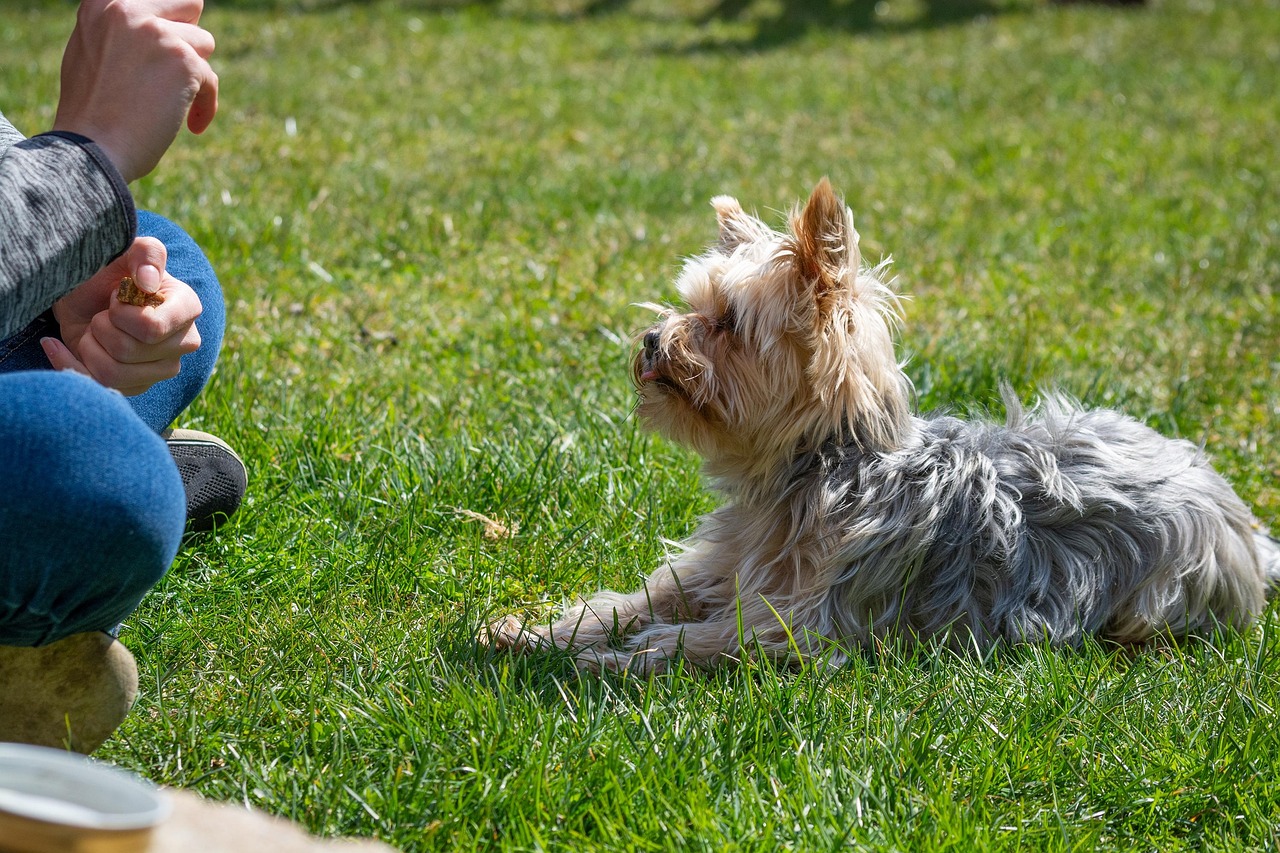

Using Shaping Techniques to Teach Complex Behaviors to Your Dog
Dog training can feel overwhelming at times, particularly when teaching complex behaviors. However, using shaping techniques can simplify the learning process significantly. Shaping is a method that breaks down complex skills into smaller, manageable components. By rewarding incremental progress, dogs learn desired behaviors through successive approximations. This process relies heavily on reinforcement, making it essential to understand what motivates your dog. Certain dogs may respond better to treats, while others might prefer praise or play as their incentive. Identifying your dog’s motivators can enhance the effectiveness of shaping. The key to this technique lies in patience and consistency. Each time your dog accomplishes a small step towards the goal behavior, reward them accordingly. Over time, as your dog understands what is expected of them, they will begin to perform the behavior more reliably. Clear communication is crucial, as dogs may not always interpret cues accurately. Thus, utilizing consistent signals, whether verbal or physical, will improve training outcomes. As you become accustomed to shaping, you can introduce more complex behaviors, ensuring that both you and your dog enjoy the training experience together.
The benefits of using shaping techniques extend beyond simply teaching new behaviors. When you employ these methods, you also build a stronger bond with your dog. As your pet learns to trust your guidance, it fosters a sense of teamwork between trainer and trainee. Shaping promotes a positive learning environment, characterized by mutual respect and understanding. Furthermore, dogs thrive on mental stimulation, and shaping provides ample opportunities for cognitive engagement. Incorporating problem-solving tasks keeps your dog focused and interested. To maximize the effectiveness of shaping, it is crucial to keep training sessions short and enjoyable. Long training sessions can lead to frustration and disengagement. Aim for shorter, frequent sessions that fit within your dog’s attention span. Additionally, remember to gradually increase the complexity of tasks as your dog becomes proficient in executing a behavior. Dogs can easily become bored with repetitive actions, so introducing variety can maintain their interest. Progressive teaching not only reinforces existing knowledge but also challenges your dog to learn new tricks, preventing training plateaus. Emphasize fun and success, ensuring that your dog views training as an enjoyable activity.
Setting Up for Success
When preparing to teach your dog a complex behavior through shaping, it’s essential to create the right environment for success. Begin with minimal distractions, allowing your dog to focus entirely on training. This can involve choosing a quiet room or an enclosed outdoor area free of interruptions. You’ll need the proper tools as well, such as high-value treats, clickers, or toys. Clicker training is particularly effective, as it offers immediate feedback. The sound of the clicker signifies that the dog has performed the desired behavior and will receive a reward. To start shaping, select a specific behavior you want to teach, ensuring it aligns with your dog’s abilities. Breaking down this behavior into small, achievable steps is vital. Each sub-behavior stands alone as an accomplishment, reinforcing the bond created during training. Be sure to celebrate each small victory along the way. Over time, as each step is mastered, gradually increase the difficulty until your dog can perform the complete desired behavior. Patience is key; the learning process may take longer for certain dogs, and understanding their limits is crucial.
Throughout the shaping process, it’s essential to balance reward frequency and criteria adjustments. Initially, reward every successful attempt, no matter how small. Gradually, you can adjust your criteria to require greater efforts before rewards are given. For instance, if your dog is learning to sit, you might start by rewarding them for simply lowering their rear, then require them to stay in a sitting position for longer before offering a reward. This gradual increase in expectations helps your dog understand the connection between their actions and the rewards. It’s vital to be patient during these adjustments; rushing the process can result in confusion or frustration for your dog. Providing praise, in addition to treats, reinforces the learning experience, helping your dog feel valued and appreciated. Experiment with different rewards as you progress, as variety can keep your dog engaged. Remember, the ultimate goal is to cultivate a cooperative and trusting relationship, encouraging your dog to be an eager participant in training. Always maintain a positive atmosphere during training sessions to facilitate your dog’s eagerness to learn.
Common Pitfalls in Shaping Techniques
Several common pitfalls can arise when using shaping techniques in dog training, and being aware of these can help trainers achieve better results. First, failing to define the final behavior clearly can lead to confusion in your dog. Without a clear target, the dog may struggle to understand what is expected. Define and visualize the behavior you desire before starting the training sessions. Secondly, inconsistency in rewards can create uncertainty for the dog. If the criteria for rewards fluctuate too much, your dog may become confused about what is being reinforced. Strive for a consistent reinforcement schedule throughout the training process. Additionally, moving through steps too quickly can overwhelm a dog. Progressing too fast may prevent them from mastering foundational steps. Therefore, be mindful of your dog’s learning pace and adapt the training sessions accordingly. Lastly, neglecting to celebrate success can undermine motivation. Regularly acknowledge every small accomplishment to encourage your dog and reinforce the idea that training is fun. Keep the experience enjoyable for both you and your dog to benefit long-term learning.
Furthermore, incorporating shaping techniques into your dog’s training routine has the potential to enhance their overall behavior dramatically. By establishing clear expectations and using positive reinforcement, shaping can address behavior issues that might arise. For instance, if a dog displays unwanted behaviors due to boredom or anxiety, introducing challenging tasks can redirect their focus. Ensuring that your dog remains mentally stimulated and engaged often prevents negative behaviors from developing. Shaping encourages dogs to think creatively and problem-solve, ultimately building confidence. The more your dog succeeds in performing tasks successfully, the more secure they will feel in their capabilities. Moreover, shaping techniques empower dog owners to develop customized training plans based on their unique dog’s personality and learning style. This individualized approach can result in building a stronger, trusting relationship between you and your dog. Tailoring training techniques allows trainers to address problem behaviors effectively, transforming various issues into learning opportunities. Additionally, successful implementation of these techniques can also lead to improved obedience and compliance. As your dog comprehends instructions better, their overall behavior and reliability will reflect the positive impact of effective training.
Conclusion on Shaping Techniques in Dog Training
In conclusion, shaping techniques represent a powerful tool in dog training that enables the gradual teaching of complex behaviors. This method fosters an engaging and rewarding experience for both the dog and owner alike, creating a fun atmosphere during training. By breaking down behaviors into smaller components, your dog can excel in learning new skills without feeling overwhelmed. Consistency, communication, and patience will yield the best results throughout the shaping process. As you explore different techniques and approaches, keep in mind the importance of understanding your dog’s individual needs and preferences. By tailoring your training methods to fit these, you increase the likelihood of success. As your dog masters new behaviors, celebrating each milestone will solidify a strong bond built on trust and collaboration. Remember that effective training requires time and dedication, and the journey will be worth it in the long run. Witnessing your dog grow and learn alongside you is incredibly rewarding. Embrace shaping techniques as part of your dog training toolkit, ensuring a positive experience for you and your beloved companion.