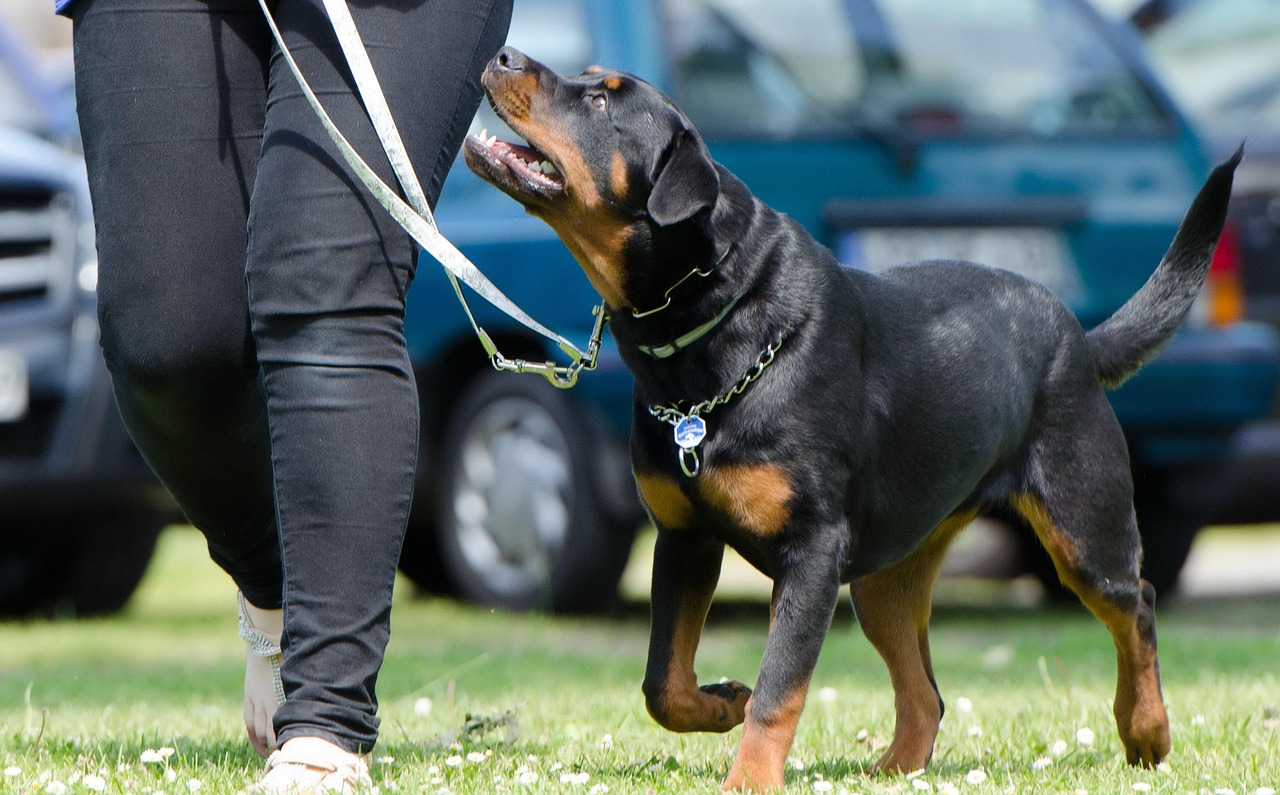

Role of Training in Enhancing Mental Health of Adopted Dogs
Rescue and adoption of dogs offer substantial benefits, particularly in terms of mental health. Many rescued dogs have endured traumatic experiences that can impact their behavior and emotional wellbeing. Proper training plays a critical role in helping these dogs recover from their past traumas. Training provides structure and routine, which are essential for a dog’s sense of security. Moreover, focused training sessions, combined with positive reinforcement, can help build confidence in adopted dogs. By establishing trust and consistency, adopted dogs can gradually overcome anxiety or fear-related behaviors. Additionally, training allows for better communication between the dog and its new owner. Created bonds can improve the dog’s emotional stability. Dedicated training can be tailored to the individual needs of each dog, whether they are shy and timid or overly energetic. Adoption creates a new chapter, but without training, the transition may be cumbersome. Hence, effective training is not merely an option but a necessity for the mental health of adopted dogs, enabling them to thrive in their new environment. In this article, we will explore the profound effects training has on enhancing the mental health of these rescued companions.
Understanding dog behavior is fundamental when addressing the mental health of adopted dogs. Various factors contribute to behavioral issues, often rooted in prior experiences. When dogs are rescued, they may come with a range of psychological scars, including fear of people or other animals. The importance of socialization cannot be overstated; it shapes a dog’s ability to engage positively with their environment. Training programs focusing on socialization expose dogs to different settings, people, and other animals, easing anxiety. Dogs who feel more comfortable in diverse environments tend to develop more resilient mental health. With consistent training and socialization, these dogs learn to adapt to everyday situations, reducing stress and behavioral problems. Owners must be patient and proactive in this process. Enrolling in group training classes is an excellent way for dogs to gain exposure to new experiences alongside other dogs, fostering friendships and reducing isolation. This exposure creates a more balanced and confident pet. Furthermore, understanding triggers that cause anxiety allows owners to implement strategies that encourage calmness and stability. Overall, training is transformative, paving the way for improved mental health in adopted dogs as they adjust to their new lives.
Positive Reinforcement in Training
Positive reinforcement trains dogs using rewards to encourage desired behaviors. This method proves to be particularly effective, especially with adopted dogs needing extra support. Dogs flourish under positive affirmations as they learn to associate good behavior with tangible rewards, such as treats or praise. This enhances their mental health by building trust and confidence. Rescued dogs often suffer from a lack of self-esteem and may be hesitant to respond to commands. When training involves kindness, dogs gradually realize they can trust humans again. This rebuilding of trust is vital in reversing the damage inflicted by negative past experiences. Training sessions that incorporate positive reinforcement create a fun and engaging atmosphere, helping reduce stress levels. Engaging activities increase the bond between dog and owner, promoting emotional health. Moreover, this supportive approach encourages dogs to be active participants in their education. Owners are encouraged to tailor rewards to individual dogs, recognizing that different dogs respond to different incentives. This personalized approach creates a positive feedback loop, fostering greater emotional wellbeing. Ultimately, positive reinforcement training profoundly impacts the mental health and stability of adopted dogs, paving the way for a smoother transition into their forever homes.
Consistency in training is pivotal for the overall wellbeing of adopted dogs. Establishing reliable routines helps dogs understand expectations, leading to feelings of stability. Dogs thrive on predictability; knowing what to expect alleviates anxiety. Training commands should be consistently reinforced to solidify understanding. The creation of structure in a dog’s day promotes emotional stability and confidence. Furthermore, consistency in methods creates less confusion for the dog, allowing them to learn effectively. Owners must ensure that everyone in the household is on the same page regarding commands and rules. If a dog receives mixed signals, it may become more anxious. Regular training sessions should be integrated into daily life, ensuring dogs receive ample practice to master new skills. To enrich the training experience, it’s beneficial to incorporate varied environments and distractions. This practice helps dogs generalize commands, enhancing their adaptability to real-world scenarios. Practicing in different locations can enforce stability in unfamiliar settings. Additionally, using the same cues and signals consistently helps reinforce connection and understanding. With commitment to consistent training, the emotional wellbeing of adopted dogs is markedly improved, helping them thrive in their new homes.
Interaction and Engagement during Training
Interactive training not only teaches obedience but also enriches the mental health of adopted dogs. Engaging activities stimulate a dog’s mind and body, preventing boredom-related behavioral issues. Activities such as agility training or scent work provide outlets for their natural instincts, promoting fulfillment. Furthermore, these interactive sessions create opportunities for bonding between the dog and their owner, enhancing their relationship. Building a strong emotional connection through interaction is foundational for promoting mental health. Training sessions should incorporate play, allowing dogs to express themselves freely. This positive engagement helps dogs feel more secure, alleviating anxiety stemming from their past. Owners can utilize various toys or challenges during training to keep sessions exciting, maintaining high levels of attention. Regular engagement reduces fear and encourages dogs to be more confident in various settings. The mental stimulation derived from these activities contributes to better overall mental health and emotional resilience. Moreover, incorporating games into training further strengthens skills while making learning enjoyable. When training is enjoyable, dogs are likely to have a more positive emotional experience, aiding their adjustment to new homes and contributing significantly to their happiness and wellbeing.
Aside from training, the surrounding environment significantly influences the mental health of adopted dogs. A calm, positive living space can alleviate anxiety and encourage well-being. Owners should take care to create safe zones where dogs can retreat if overwhelmed. Cozy beds, engaging toys, and soothing elements contribute to a nurturing atmosphere. Integrating a consistent daily routine, including regular exercise and relaxation, enhances a dog’s comfort. Outdoor exercise promotes mental clarity and reduces pent-up stress by providing natural stimulation. Daily walks and playtime are essential for a dog’s emotional health. Overall, the living environment needs to harmonize with trained expectations, ensuring dogs feel secure and loved. Furthermore, socialization with family members and other pets enriches their experiences and sense of belonging. Predictable environments allow adopted dogs to feel secure, leading to improved mental resilience. Thus, the synergy between training and a supportive environment fosters stability for newly adopted dogs. Engaging with your dog in various locations deepens their understanding of the world and cultivates acceptance. By addressing both mental training and living spaces, owners can enhance their adopted dog’s happiness and emotional wellbeing.
The Importance of Professional Help
Professional trainers can provide critical assistance in overcoming behavioral challenges often faced by adopted dogs. These experts bring experience and tailored strategies that address individual needs. For cases where dogs display extreme anxiety or aggression, consulting with a professional who specializes in behavior modification is vital. They offer insights and techniques unavailable to the average owner. Furthermore, professional trainers can equip owners with tools to continue effective training at home, reinforcing learned behaviors. Observing effective training methods enables owners to develop their skills while ensuring the dog gains maximum benefit. The relationship built between the trainer, dog, and owner is essential for fostering trust and progress. Group training classes serve as an excellent opportunity for socialization, encouraging interactions with other dogs under guidance. This exposure allows adopted dogs to progress steadily in a controlled environment. Additionally, trainers can assess the dog’s temperament accurately, ensuring training methods align with their behavioral traits. Finally, seeking professional help is not a reflection of failure but rather a step towards helping an adopted dog thrive mentally and emotionally in their new life.
As the journey of training progresses, monitoring changes in an adopted dog’s behavior becomes paramount. Regular assessments allow owners to see their progress and identify areas needing further focus. This review process fosters training continuity, adaptability, and growth. Documentation of achievements, however small, encourages owners and reinforces positive interactions. Celebrating milestones creates a supportive atmosphere for both dog and owner. Checks on behavioral responses should be consistent; if certain techniques yield positive reinforcement, they should be retained. Continuous improvement ensures both parties are in sync, enhancing their bond and understanding. Furthermore, understanding that training is an ongoing journey is vital. Dogs, like humans, evolve; their needs may change over time. Thus, evolving training programs can reflect their developmental changes. Continued education also helps owners remain informed about newer methods and philosophies. Building on successes not only improves a dog’s skills but ensures mental resilience. A well-adjusted dog contributes to a happier household, not only within the home but in community interactions. Through consistent efforts and adjustments, the mental health of adopted dogs can be significantly enhanced, providing them a fulfilling and joyous life ahead.