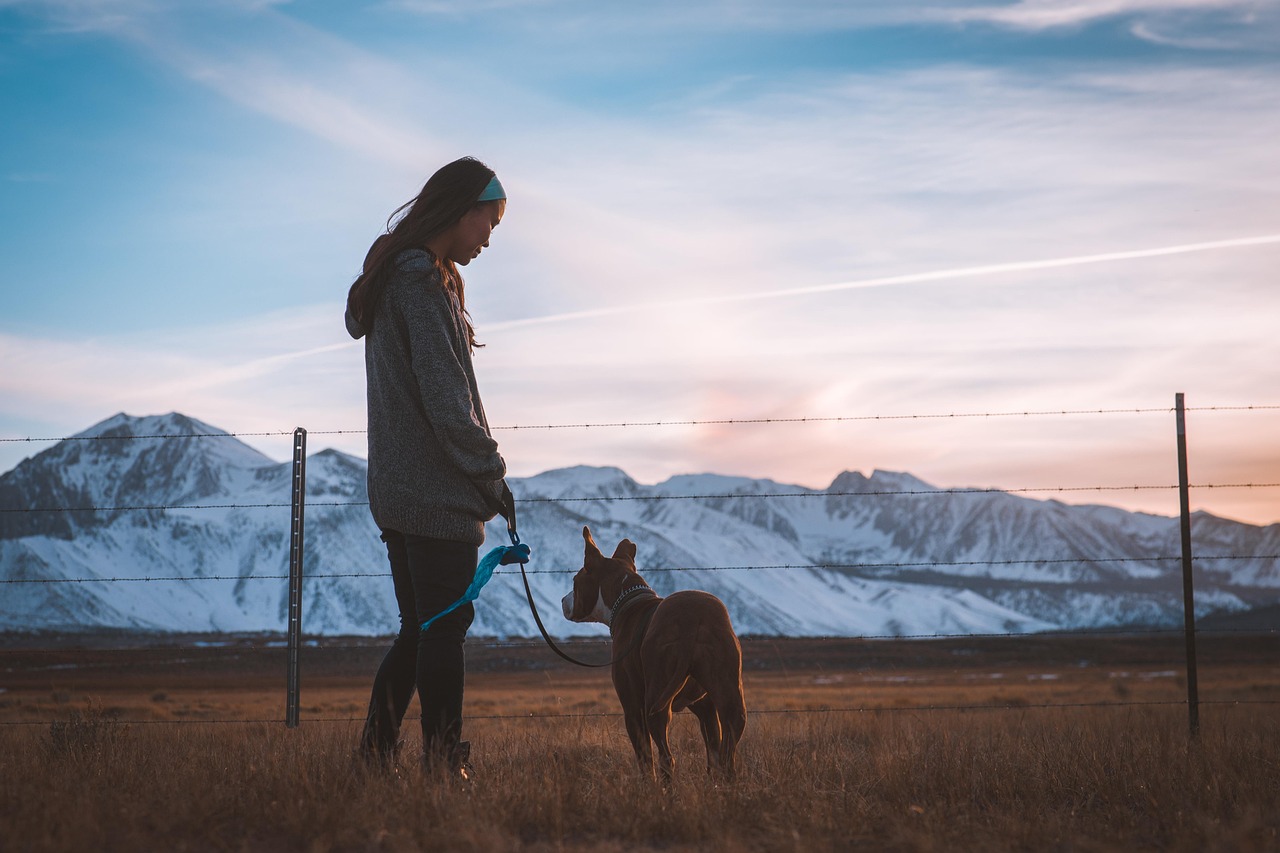

Safety Tips When Traveling to Mountain Cabins with Your Dog
Traveling to a mountain cabin with your dog can be a rewarding experience. However, it’s essential to prepare beforehand to ensure both you and your pet stay safe. Begin by packing a comprehensive pet travel kit, which includes essential items. Include collapsible food and water bowls, enough food for the trip length, and any medication, if necessary. A pet first aid kit is also recommended. Consider bringing a favorite blanket or toy that’ll comfort your dog in a new environment. If your dog is not accustomed to protective gear, think about getting a quality pet-specific first aid kit to manage any minor emergencies. If your dog is prone to anxiety, you might also want to bring calming treats or supplements. Always remember to check the weather forecast as mountain conditions can change rapidly. A dog-friendly jacket or sweater can keep your pet warm on chilly nights. Most importantly, ensure that your dog’s ID tags are up-to-date with current contact details in case of separation. Always have a recent photo of your dog, too, for identification in case it goes missing.
Understanding Mountain Hazards
Mountains can pose various hazards for dogs, including wildlife encounters, steep terrains, and changing weather conditions. Before heading out, familiarize yourself with the local wildlife. Some animals may pose direct threats to your dog, and instances of canine attacks, while rare, do occur. Teach your dog reliable commands for recall and stay to keep it close to you and away from dangers. Check with local authorities regarding potential wildlife sightings in the area. Ensure your dog is up-to-date with vaccinations and flea and tick prevention, especially when hiking in wooded areas. Paths can also be rugged and uneven, so ensure your dog wears a properly fitted harness and leash. This will help prevent falls and provide you with more control. Carry a collapsible water bowl to keep your dog hydrated and monitor its water intake diligently. In case of heat problems, know the signs of heat stress and plan for breaks in cooler areas. When hiking closely with your dog, remember to keep an eye out for sudden changes in weather and return early if storms are forecasted.
In addition to the physical preparation, establishing obedience and training under mountain conditions is essential. Exposure to new environments may be overwhelming for some dogs. To ease your dog into this new setting, start with basic commands in familiar areas before the trip. Reinforce commands like sit, stay, and come. For dogs new to leash walking, practice this regularly to ensure safety when traversing trails. Consider its reactions to other hikers, pets, and unknown stimuli, as these factors can induce anxiety. Practice positive reinforcement and rewards for desired behaviors. It’s also a good idea to practice with your dog even in your backyard or local park ahead of time. Reward your dog for remaining calm and following commands. As you prepare gear and behavior, familiarize your pet with the car as well. Long car rides can be challenging; gradually introduce your dog to shorter trips to reduce anxiety. Ensure secure restraints in the vehicle, such as pet seat belts or carriers, to keep your dog safe during the journey. The key is patience and consistent training to build confidence.
Food and Clean Water
While in the mountains, it’s essential to provide access to clean water and food for your dog. Hydration is critical for both you and your pet, especially during hikes and varying temperatures. Always carry enough fresh water for the entire trip and avoid relying solely on natural water sources due to possible contaminants. A portable water filtration system can help if you must source water from streams. In addition, plan for meal times. Bring high-quality dog food that suits your dog’s dietary needs while ensuring it remains fresh and safe to eat. Many people opt for lightweight, dehydrated dog food that’s easier to carry on hikes. Consider portioning meals into resealable bags for convenience. While dining, establish a routine to help your dog feel secure and aware of when it’s time to eat. When preparing food at a cabin or campsite, ensure your cooking area is clean and free of any food scraps. This is crucial in preventing wildlife encounters. Providing regular feeding schedules can also help maintain your dog’s energy throughout your activities.
Another important aspect to consider is emergency preparedness should something unexpected occur. Ensure you are aware of the closest veterinary clinics to your location. Having the contact information for these clinics on hand can be vital in case of an emergency or health issue. It may be helpful to research options and decide which clinics are available for any emergency surgery or specialized treatments that may be necessary. Keep essential documents ready, such as your dog’s vaccination records and medical history. Additionally, find a complete pet first aid guide so you know how to address minor injuries. Learning basic skills like wrapping bandages or applying antiseptic can be beneficial. If your dog is a seasoned traveler, they may naturally adapt to new environments; however, always watch for signs of distress or discomfort. Prepare by bringing a comfortable, safe crate where your dog can retreat when stressed. Introducing your dog to the crate gradually can encourage it to feel secure when others visit. Taking these precautions will ensure that both you and your furry companion enjoy the mountain cabin experience together.
Activity Level and Exercise
Mountain cabins often come with vast opportunities for outdoor activities and exercise for you and your dog. However, ensure you select an appropriate level of physical activity based on your dog’s age and fitness. For instance, younger dogs may enjoy strenuous hikes while older pets might prefer more leisurely walks. Always start gradually and monitor your dog for signs of fatigue. Plan your hikes and outdoor excursions carefully, opting for trails suitable for your pet’s endurance. Carry essential gear like extra dog food and water, as prolonged activity can lead to dehydration. When hiking, let your dog explore trails at its own pace while maintaining control with a leash. Maintaining a steady walking pace is critical to keep your dog engaged and prevent any overexertion. Allow regular breaks in shaded areas, which will help avoid overheating. Explore variations in terrain, as your dog might benefit from diverse environments, including water beaches or hilly landscapes. Engaging in physical activities promotes excellent mental stimulation and provides bonding time between you and your dog. Consider incorporating games or fetch during exercise time.
One cannot underestimate the impact of proper restraint when traveling with dogs. Always ensure that your dog stays secured within the vehicle and not allowed to roam freely, as this can lead to distractions or accidents. Use a dog seatbelt or travel crate to ensure safety while driving. Establish a tour routine, such as scheduled pit stops for bathroom breaks and stretching, which also allows your dog to relax and relieve itself. Familiarize your dog with the travel area before commencing the journey. If traveling for an extended trip, make scheduled hotel accommodations that welcome pets. Confirm the policies of pet-friendliness in advance, and prepare all necessary supplies for your stay, including bedding and food. While at the mountain cabin, create barriers if necessary to keep your dog from wandering off in unfamiliar areas. Consider using baby gates or crates to define boundaries in various cabins or shared spaces. Being prepared will help you avoid stressful encounters during the stay. Remember, you want the experience to be enjoyable and safe for everyone involved.
Conclusion and Enjoyment
The journey toward a mountain cabin should be enjoyable for both you and your dog with proper planning and precautions taken. Safe travel includes preparations for food, hydration, and understanding vital local wildlife. Spending quality time with your pet fosters a unique bond in beautiful natural settings. By being proactive, you can minimize risks and maximize the enjoyment of your trip. Ensure you implement safety practices while allowing your furry friend to explore various terrains securely. Carefully monitoring physical activity and keeping other visitors informed will provide a safe environment for everyone involved. Whenever possible, keep your dog on a leash to prevent encounters with wildlife and ensure that they remain close. Ultimately, the connection you build with your pet while traveling is priceless. Look back on your journey, and be confident that you have prepared well, allowing both you and your dog to create cherished memories. Whether it’s wandering through stunning trails or relaxing in your cozy cabin, the mountains await! Make every moment special, embrace the experience, and enjoy every moment together with your beloved dog.