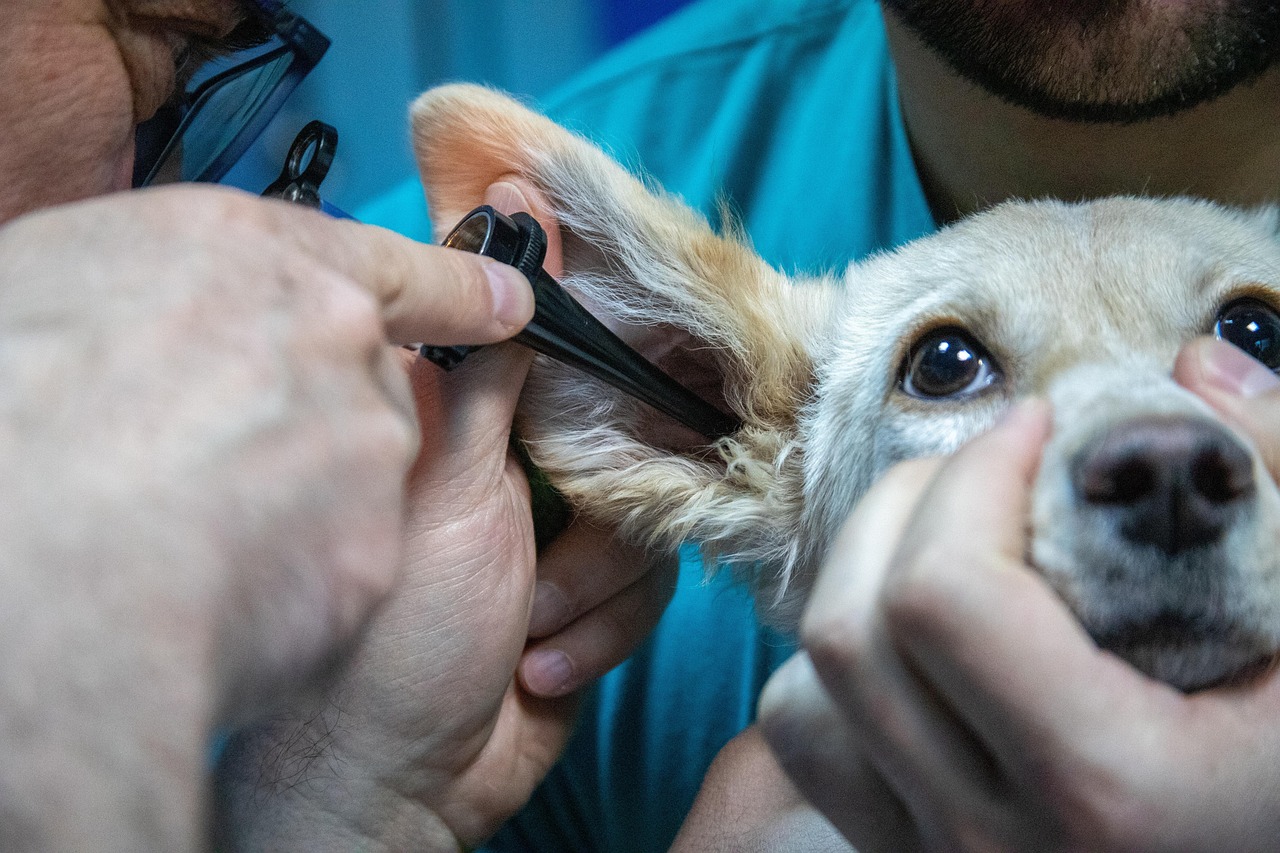

The Connection Between Parasites and Ear Infections in Dogs
Understanding the link between parasites and ear infections in dogs is essential for effective treatment. Dogs with various parasitic infestations can show symptoms that may lead to secondary infections, including ear infections. Most commonly, ear infections occur when parasites irritate the skin and promote inflammation. Therefore, dog owners should regularly check their pets for any signs of unwanted infestations. This vigilance can minimize both discomfort and vet visits. Additionally, parasites like ear mites often result in scratching, which can damage the skin’s barrier. When this protective barrier is compromised, bacteria can easily enter the ear, causing infection. Additionally, monitoring other health indicators is crucial for a holistic approach. Symptoms of ear infections may include excessive shaking of the head and a foul odor emanating from the ears. If left untreated, these infections can lead to severe complications, potentially affecting hearing. Hence, responsible pet care should include scheduled veterinary check-ups and regular cleaning of the dog’s ears. This proactive approach can significantly reduce the incidence of ear infections and enhance a dog’s overall well-being.
Different types of parasites, such as fleas, ticks, and worms, can all contribute to the likelihood of ear infections in dogs. Fleas, for instance, may cause allergic reactions in sensitive dogs, leading to intense itching, scratching, and subsequent injuries to the ear area. Over time, chronic scratching can compromise the integrity of a dog’s skin, making it more susceptible to infections. Similarly, ticks can carry various pathogens that may threaten a dog’s overall health, including its ear health. Owners should remain vigilant regarding preventative treatments and proactive measures against these parasites. Food allergies might compound the issue by creating an environment ripe for infections. In cases where a dog is allergic to certain food types, chronic ear infections could arise, attracting parasites to the already unhealthy skin. In treating these problems, a vet may recommend switching to a high-quality, hypoallergenic dog food. This change, along with proper parasite control, can help mitigate ear infections in the long run. Thus, it is crucial to consult with a veterinarian for a comprehensive treatment plan tailored to your dog’s needs.
Common Symptoms of Ear Infections in Dogs
The symptoms of ear infections in dogs can manifest in various ways, some of which resemble signs of parasitic infestations. Dog owners should be vigilant for common indications, such as persistent head shaking, scratching at the ears, and noticeable pain when the ears are touched. Additionally, an unusual odor from the ear may signal the presence of an infection. Discharge from the ear, which can range in color and consistency, is another red flag that should not be ignored. In some cases, a dog may show behavioral changes, including increased irritability or lethargy. These symptoms can be aggravated by concurrent parasitic infestations, as parasites often lead to excess inflammation and discomfort. Beyond general observation, inspecting your dog’s ears for any signs of redness or swelling can become part of a routine health check. A firm but gentle approach during this inspection minimizes stress for both the pet and owner. Moreover, if you notice any of these warning signs, seeking veterinary assistance promptly is essential to prevent complications extending beyond the ear. Early intervention can save costly treatments and improve your dog’s quality of life.
In addition to the conventional symptoms, certain behavioral patterns can indicate underlying health issues related to parasites and ear infections. For example, dogs may become more withdrawn or exhibit sudden aggression due to discomfort caused by an ear infection. These behavioral changes can often be perplexing for owners, leading them to overlook the possibility of an infestation. Meanwhile, constant shaking of the head or scratching at the ears is also an obvious sign of distress and should not be taken lightly. Dogs often can’t express discomfort verbally, relying on their actions to communicate their needs. It’s crucial for owners to engage with their pets and observe changes in behavior, as well as any physical symptoms. Attention to these cues can highlight emerging health issues before they escalate. Furthermore, maintaining a clean and hygienic environment for the dog can aid in reducing bacterial infections in the ears. Regular ear cleaning should be part of a weekly routine to limit inflammation and irritations. Notably, if issues persist despite at-home care, an appointment with a veterinarian is advised to ensure thorough assessment and treatment.
Complexities of Dual Diagnoses: Parasites and Ear Infections
When a dog suffers from both parasites and ear infections, the situation becomes increasingly complex. Each condition can aggravate the other, creating a cyclical pattern that challenges effective treatment. For instance, live parasites can create an environment conducive to ear infections. The inflammation caused by parasites causes further complications, thus complicating the diagnosis. It is crucial for veterinarians to consider both conditions during examinations to deliver targeted treatment and care effectively. A multifaceted approach to treatment often involves both antiparasitic medications and topical treatments for the ears. Furthermore, contributing factors like poor nutrition or stress must be evaluated during this process. Stress can weaken a dog’s immune response, making them more vulnerable to infections. Thus, creating a peaceful environment is essential for recovery. Regular grooming, including ear inspections, helps maintain cleanliness and prevent infections from occurring. When both issues are treated accordingly, dogs can return to their healthy states more swiftly and effectively. Therefore, a collaborative approach between pet owners and veterinarians is essential in addressing these intertwined health problems.
A strong preventive strategy is vital for maintaining a dog’s ear health and avoiding complications from parasitic infestations. Regular veterinary check-ups help detect any potential health problems before they escalate, including ear infections and parasitic load. Additionally, dog owners should consider using preventive treatments against common parasites. Products like topical solutions, oral medications, or collars can be beneficial in keeping fleas, ticks, and worms at bay. Moreover, a regular grooming routine involving ear cleaning and brushing can foster a healthier living environment for the dog. Pet owners should consult veterinarians to determine the most appropriate preventive strategies tailored to their dog’s breed, lifestyle, and health history. Regular monitoring of body weight and overall health can alert owners to changes that may require veterinary intervention. Maintaining a clean living space and offering a balanced diet can also support your dog’s immune system. Consequently, an investment in preventive care now can save considerable time, effort, and money in the long run. With proper care and attention, the link between parasites and ear infections can significantly diminish.
Recognizing When to Seek Veterinary Care
Knowing when to seek veterinary care for ear infections and parasitic infestations in dogs is crucial for effective treatment. Many symptoms can be easily confused with minor issues, but they may signal more serious underlying conditions. If your dog shows noticeable signs of discomfort, such as persistent scratching, head shaking, or foul odors from the ears, immediate attention is advised. Waiting too long can exacerbate the condition, leading to more painful experiences for your pets. Timeliness is essential, so paying attention to subtle signs can make a difference in their overall health. Routine vet visits for check-ups can catch problems early, reducing long-term issues. In addition to seeking professional care, informing the veterinarian about any recent changes in behavior and environment is valuable. If you suspect parasitic infestations could be playing a role, ensure to mention any observations. Integrating preventive measures into your dog’s care can significantly improve their overall well-being and reduce the chances of recurring issues. Ultimately, achieving and maintaining a healthy pet requires a proactive and engaged approach from owners.
In summary, the intricate relationship between parasites and ear infections in dogs underscores the need for comprehensive pet care. Understanding the symptoms and signs of both conditions empowers owners to take action swiftly, reducing the risk of complications. Regular ear checks, a balanced diet, and proper grooming habits contribute significantly to maintaining a dog’s health. Coupling these measures with veterinary consultations ensures that both infestations and infections are properly addressed. The connection emphasizes the importance of preventive care, which can lead to healthier, happier pets. As we become more aware of these interconnected issues, responsible pet ownership can shine in how proactive measures help mitigate health threats. With the right approach, dog owners can maintain their pet’s quality of life, making the experience of having a dog rewarding and joyful. Through shared responsibility between pet owners and professionals, we can ensure long-lasting health and wellness for our beloved companions. Therefore, embracing a multifaceted approach ensures that dogs can thrive without the burdens of parasites or chronic infections, ultimately leading to a more harmonious life.