
How to Teach Your Cat New Tricks Using Wand Toys
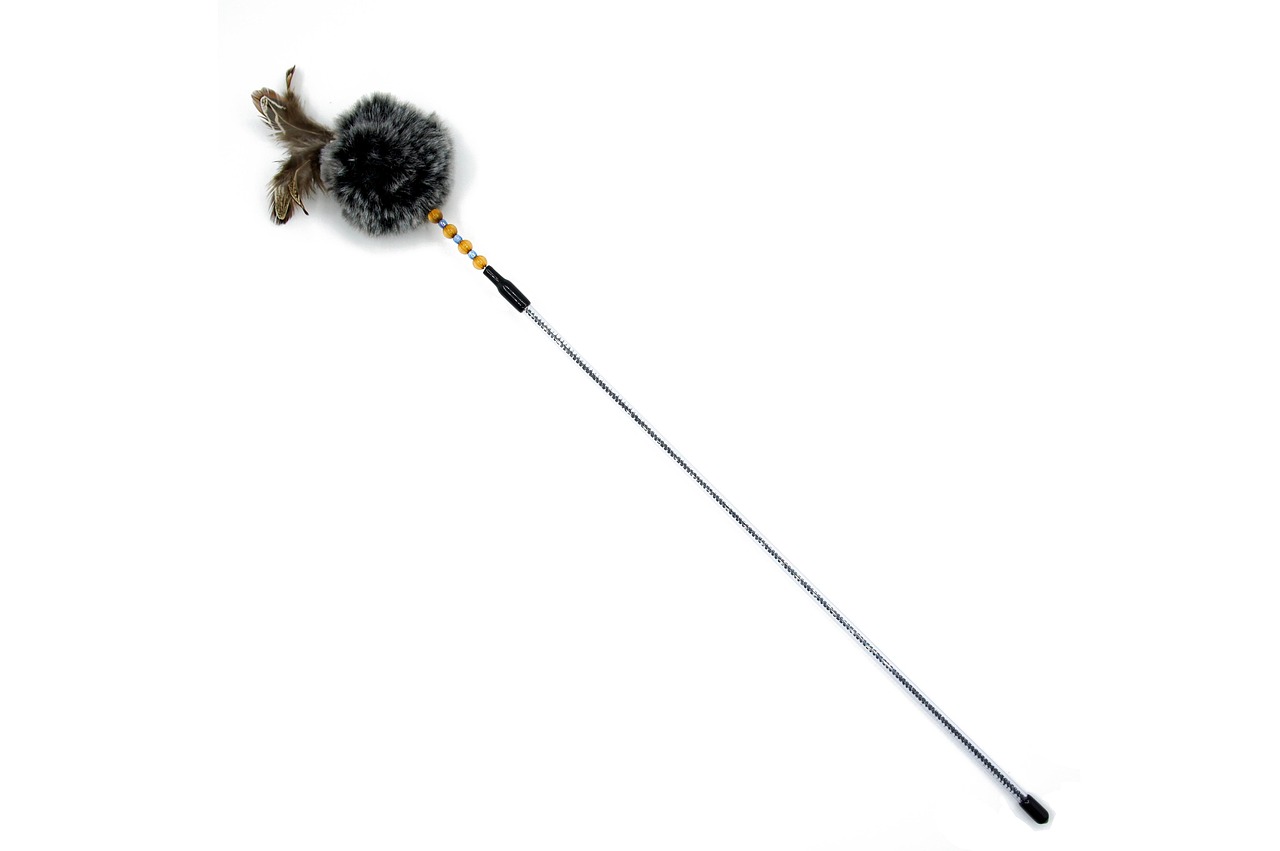
Teaching your cat new tricks can be an enjoyable endeavor, especially when utilizing wand toys. Wand toys are designed to engage your cat’s natural hunting instincts, allowing you to bond more effectively while teaching them new skills. Among the various tricks you can teach, ‘jumping for a toy’ stands out as a fun activity that enhances not just their physical agility but also fosters trust between you and your feline companion. Begin by encouraging your cat to approach the wand toy and letting it dangle in front of them to capture their interest. Once your cat shows engagement, you can gradually guide the wand in an elevated arc, prompting them to leap. Reinforcing their jumps with vocal praise or treats can further motivate your cat. Try to vary the height and speed of the wand movements to keep the training sessions exciting and stimulating. As your cat becomes more adept, you can increase the difficulty level to continue their learning process and keep that hunter’s instinct alive. With patience and consistency, your furry friend can master tricks that showcase their abilities while making playtime more enriching.
Another useful trick involves teaching your cat to ‘catch’ the wand toy, enhancing their predatory skills in a fun manner. This trick may require a little more patience and time, but the rewards are certainly worth it. Start by gently swaying the wand back and forth, simulating the movements of prey. As your cat makes an effort to swipe or pounce at the toy, praise them enthusiastically. If they make a successful catch, immediately reward them with a treat or praise to reinforce this behavior. It’s important to keep these sessions short and engaging, ideally just around 10 to 15 minutes. Repeat this exercise a few times a week, allowing your cat to become familiar with the concept of catching prey. If your cat finds success in catching the toy, you can introduce a second phase by teaching them to let go once caught. This gives added excitement to playtime while also establishing a framework for effective training. Tracking progress and remaining patient will ensure that training remains rewarding for both you and your cat during these dynamic interactions.
Catching and Ignoring
Teaching your cat to alternate between catching and ignoring the wand toy may seem challenging but can be incredibly rewarding. This trick relies on your cat’s ability to self-control, which can be fostered through rewarding good behavior. Start the lesson by encouraging your cat to catch the toy as described previously. Once they catch the toy, without verbally prompting them, immediately bring the wand down and let them observe it while it rests on the ground. This will encourage them to ignore it completely. The idea is to have them understand that not every movement warrants a pounce. Reinforce this behavior through positive affirmations and treats whenever they choose to refrain from pouncing. If they react inappropriately, gently guide them back to the training mode without reprimanding them. A combination of patience, practice, and positive reinforcement will guide your cat toward mastering this exercise. Keeping sessions varied prevents boredom, so feel free to adjust wand movements and challenge them differently on each occasion, promoting a healthy dynamic during their learning period.
Incorporating clicker training into your wand toy sessions can significantly elevate your teaching methods, providing a clear form of communication with your cat. Clicker training utilizes a sound—usually from a clicker device—to mark and reinforce desired behaviors immediately. Begin by associating the click sound with positive experiences for your cat. Work this into your playtime by clicking each time they perform an action you want to promote, like jumping or attempting to catch the wand toy. Over time, your cat will start to associate the click with a reward, enhancing their understanding of what behaviors you wish to reinforce. Make sure to keep treats at hand during training, as they serve as a quick way to reward your cat after clicking. A click also helps to pinpoint the exact moment of desirable behavior. This precision leads to faster learning. The combination of wand toys and clicker techniques not only enriches your cat’s playtime but also strengthens the bond you share. Together, you create an interactive and exciting atmosphere, supporting their learning and engagement.
Ensuring Safety During Training
While teaching tricks with wand toys, ensuring your cat’s safety is paramount. Wand toys are generally safe, but it’s vital to supervise your cat, particularly with the string or ribbon attached to the toy. Make certain there are no tangles in their paws or that they don’t ingest any parts while catching their prize. Always opt for high-quality toys made from non-toxic, durable materials to prevent unexpected accidents. Frequently inspect the wand toys for wear and tear; if damaged, replace them to avoid potential hazards. Additionally, choose an appropriate space for training to minimize distractions and hazards, allowing your cat to focus better on the tricks you’re teaching. Create a safe zone where they can comfortably participate in training exercises without interference from other pets or too many distractions. Gradually introduce new techniques while being attentive to their comfort level—if your cat shows any signs of stress or hesitance, take a step back. Tailoring your approach ensures the environment remains safe and positive, enhancing your cat’s learning experience.
Maintaining a consistent training schedule is vital for reinforcing new skills and ensuring your cat retains tricks learned over time. Consider setting aside certain times each week dedicated solely to play and training with your cat. This routine helps them anticipate engaging sessions, making them more enthusiastic about participating. Try to keep each training session approximately 15 minutes to prevent fatigue or boredom. Mixing up the tricks you focus on helps maintain excitement; this prevents them from becoming too routine. This also keeps your cat mentally stimulated. Remember, though, that not every session needs to be about training; incorporating plenty of playtime while utilizing wand toys can yield excellent results. Allow the training to remain light-hearted and fun, encouraging your cat to enjoy every moment. Cats can learn at their own pace, so patience remains key throughout the learning journey. Celebrating small victories, no matter how small, strengthens your bond and encourages your furry companion to engage eagerly in future sessions. Additionally, combining learning with play reinforces the fun element, ensuring the best experience possible for both your cat and yourself.
The Importance of Patience
Finally, remember that patience is an essential ingredient in teaching your cat new tricks. Each cat has its own pace when it comes to learning, and some may pick up new skills quicker than others. Stay adaptable to your cat’s learning style and personality; this may entail altering how you present challenges or rewards. Focus on positive reinforcement throughout every session, using treats, praise, or affection to motivate your feline friend. If your cat becomes frustrated or disinterested, take a break or return to simpler tricks that they enjoy. The key is not to overwhelm them; this strengthens your bond while also maintaining their enthusiasm for learning. When your cat succeeds, even in small measures, ensure that you respond appropriately with enthusiasm. Consequently, your cat learns to associate training with success and pleasure rather than discomfort or stress. This positive reinforcement cycle ultimately promotes a healthier, more engaged learning experience. A patient and understanding approach also enriches playtime, fostering trust and a fulfilling partnership that extends well beyond the training sessions, allowing for deeper connections.
In conclusion, using wand toys to teach your cat new tricks can transform your playtime into exciting training sessions. The engaging nature of wand toys stimulates your cat’s instincts and builds a trusting relationship. By focusing on skills such as catching, jumping, and ignoring the wand, you can enhance their playtime experience and mental agility. Incorporating clicker training methods adds an element of precision, reinforcing positive behaviors effectively. Always prioritize their safety by carefully monitoring training sessions and using safe, durable toys. Establishing a consistent training schedule helps solidify their learning, while patience ensures a rewarding process tailored to your cat’s individual pace. This shared journey in learning not only fosters physical skills but also deepens your bond with your cat. Ultimately, the goal is to create an enjoyable experience that enhances their quality of life while giving you both an opportunity to connect deeply. Embrace the joy of learning together, and watch your furry friend thrive through the process. With dedication and love, you can turn simple play into an enriching adventure for both you and your beloved feline companion.