
Reward-Based Training: When to Use Toys as Incentives
Reward-based training employs positive reinforcement techniques, which are essential in fostering a healthy bond between dog and owner. Using toys effectively as incentives can significantly enhance your training sessions. When dogs are engaged with toys they enjoy, they’re naturally motivated to perform tasks or learn new commands. This method not only makes learning fun but also encourages dogs to focus and participate actively in sessions. It’s crucial to select toys that genuinely excite your dog. This excitement plays a pivotal role in their willingness to participate in training exercises. Begin by introducing the toy during playtime to gauge your pet’s interest. Observe how your pet interacts with different toys. For example, some dogs may prefer squeaky ones while others enjoy tug toys. Make a catalog of your dog’s favorite toys and use them strategically during training by associating the desired behavior with toy rewards. Doing this can increase their enthusiasm towards sessions. Gradually, dogs learn that performing tasks results in delightful playtime, reinforcing positive behaviors and establishing a strong training routine that blends enjoyment with learning. This synergy helps create a motivated learner in your canine companion.
Incorporating toys during training not only benefits your dog’s learning process but also fosters a positive association with the training itself. For this reason, understanding the effective use of toys is vital. As you train your dog, break up commands with toy play. This approach keeps training sessions upbeat and enjoyable, promoting longer attention spans and less boredom. By interspersing learning with bursts of fun, you help your dog see training as an enjoyable experience rather than a chore. It’s essential to reward successfully completed tasks promptly, delivering the toy immediately after your dog performs. This immediate association develops a clear rapport between behavior and reward in their minds. Consequently, your dog starts to make correlations between specific actions and positive outcomes through toys. Additionally, diversifying your toy selection can maintain intrigue and excitement throughout training. Rotate toys regularly, combine them into training, and ensure variety resonates in the sessions. This strategy also fosters mental stimulation, keeping your dog engaged while learning essential skills. Ultimately, reward-based training with toys enhances not only obedience but also the joy of learning for your furry friend, making the process a rewarding journey for both.
The Role of Toys in Positive Reinforcement
Positive reinforcement is about rewarding desirable behaviors, and toys serve as excellent motivators. Dogs thrive on interactive play, which can act as a powerful incentive. Understanding the right moments to introduce toys during training can maximize their effectiveness as rewards. Timing is everything; rewarding your pet with a toy immediately after a successful command reinforces the action in your dog’s mind. This timing helps your dog associate the behavior with the fun of playtime, encouraging them to repeat the action. Moreover, toys can serve to alleviate stress and apprehension during training. Nervous dogs may benefit from familiar toys that can provide comfort, allowing them to focus on learning. Preferences in play differ among dogs, so it’s essential to identify which types of toys prompt excitement and engagement. Tug toys can elicit enthusiasm for lively play, while puzzle toys can mentally challenge and stimulate your dog. Keep in mind that the use of toys should be balanced with verbal praise, ensuring your dog receives a holistic form of recognition for their efforts. This balanced reinforcement keeps your dog motivated, creating a nurturing environment for effective training sessions.
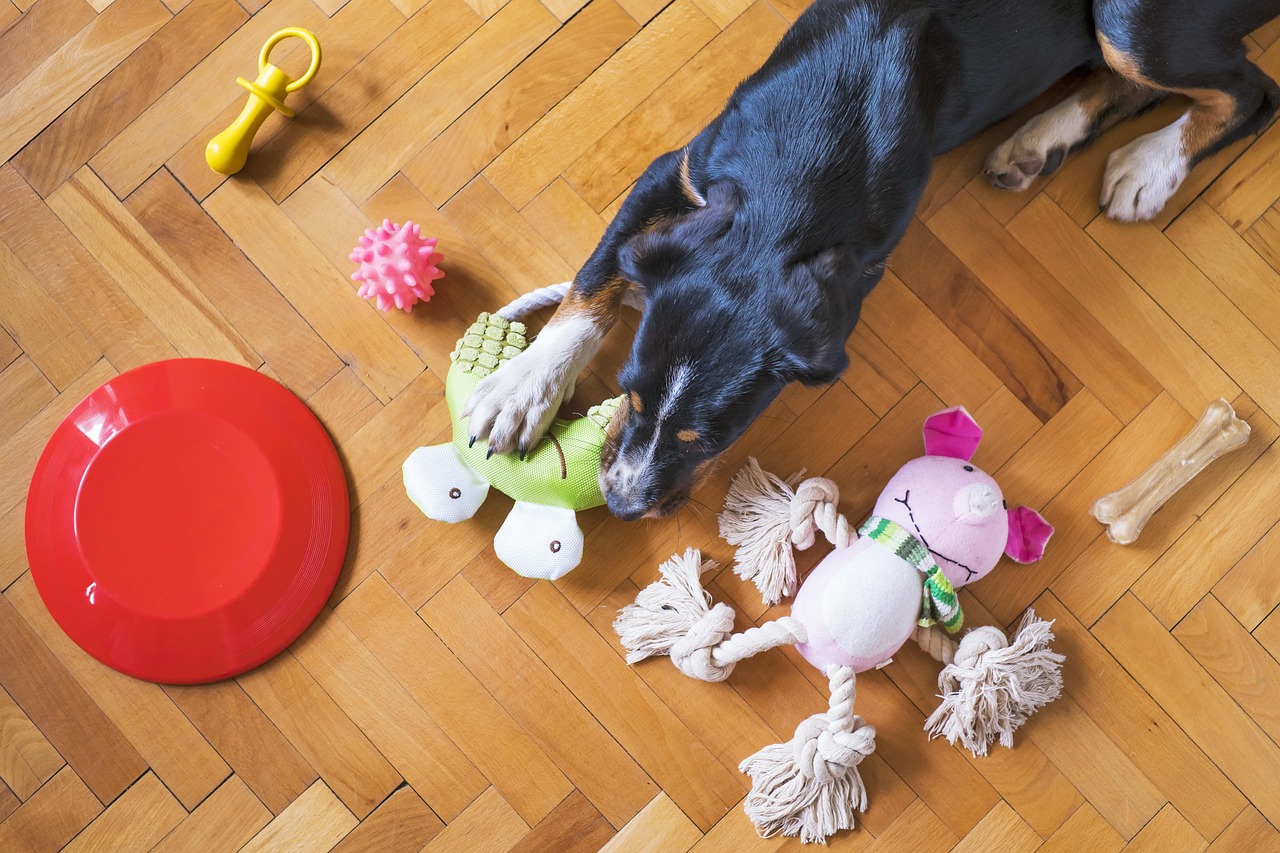
Adding toys to your training regimen can be a game changer in achieving success with your dog. Dogs are naturally playful creatures, and integrating their toys into training can make learning enjoyable. Begin by assessing which toys your dog favors. Focus on toys that engage their senses and encourage interaction. For instance, a tennis ball could prompt a fetch game, while a rope toy might inspire tugging action. Create training exercises that incorporate these toys, rewarding suitable commands with playtime. For example, after successfully completing a sit command, immediately engage in a game of fetch with a tennis ball. This creates an associated excitement every time they successfully respond to your cues. Furthermore, don’t hesitate to try clicker training alongside your toys. Clickers can mark behaviors precisely before the toy reward is introduced. This strategy reinforces the task completion while adding a layer of structure to your training. Additionally, varied activities utilizing different toys can help prevent monotony, keeping your dog keen and passionate about learning. Ultimately, merging toy usage with training principles presents a fulfilled and engaged dog eager to learn and grow.
Guidelines for Selecting Training Toys
Selecting the right toys for training can influence how your dog engages during sessions. Dogs can be picky, so knowing what excites them is beneficial. Opt for toys that encourage physical activity and mental challenge—these toys are ideal for retention of behavior through play. Durable options like rubber toys can withstand chewing while providing stimulation. Alternatively, plush toys may offer comfort without extensive durability, but these can work effectively in gentle training exercises. Observe your dog’s reaction to various toys during playtime. For instance, a squeaky toy may trigger enthusiasm, motivating your dog to chase and fetch. Building on this enthusiasm can assist in further training. Furthermore, consider incorporating toys that also serve as reward dispensers. Such toys can distribute treats when your dog interacts with them, blending play with positive reinforcement during training. Always supervise your dog when using new toys, ensuring they’re safe and efficient during training. The diversity in training toys can keep your sessions dynamic and engaging, allowing your dog to develop a love for learning while actively participating in pleasurable play. Choose wisely, and enjoy those joyful moments together, enhancing the bond you share through play and training.
During training with toys, consistency is key. Use the same toys and maintain a steady approach for your dog to develop clear expectations regarding the training process. Additionally, using the same commands in conjunction with the chosen toys fosters better retention and recognition. This repetition creates muscle memory for your dog, enhancing understanding. Keep training sessions short yet effective; aim for about 10 to 15 minutes. Dogs have limited attention spans, so frequent short sessions keep them engaged and make learning enjoyable overall. Transition seamlessly between toy play and commands, ensuring to reward immediately after the desired behavior is displayed. For example, after your dog successfully performs a roll over, treat them to an enthusiastic round of tugging with their favorite toy. This positive interaction builds excitement, refining their motivation to train continuously. Vary your training exercises, employing different toys at specific intervals to keep your sessions fresh and exciting. This prevents weariness and allows dogs to explore various tasks tied to their beloved toys. As your dog becomes adept at responding to cues, slowly increase the complexity of commands while maintaining the joy of toy rewards, promoting continuous development in your dog’s skills while enjoying training.
Conclusion: Building a Bond through Play
Reward-based training utilizing toys significantly impacts the learning journey shared between you and your dog. By understanding your dog’s interests and employing appropriate toys, you can foster an enthusiastic learning environment. The joy derived from play strengthens the bond between pet and owner, making training a mutually rewarding experience. It’s essential to maintain a fun atmosphere where dogs feel at ease. The strategic combination of praise, upbeat interaction, and toy rewards cultivates an eagerness to learn in dogs. As you successfully teach commands using toys, remains crucial to celebrate those victories with your dog, promoting confidence. Not only are dogs obtaining skills through this method, but they are also experiencing joy, which is invaluable for their emotional well-being. Implement these strategies in your routine, and you’ll likely witness significant progress in your dog’s training while creating lasting memories together. Keep your sessions varied and engaging and ensure toys are always part of the fun. Ultimately, transitioning from a training chore to an enjoyable experience with toys not only enhances behavior but ensures your canine companion thrives as an eager learner, ready to embark on new adventures with you in every step of the way.