
Tips for Outdoor Cat Photography Lighting
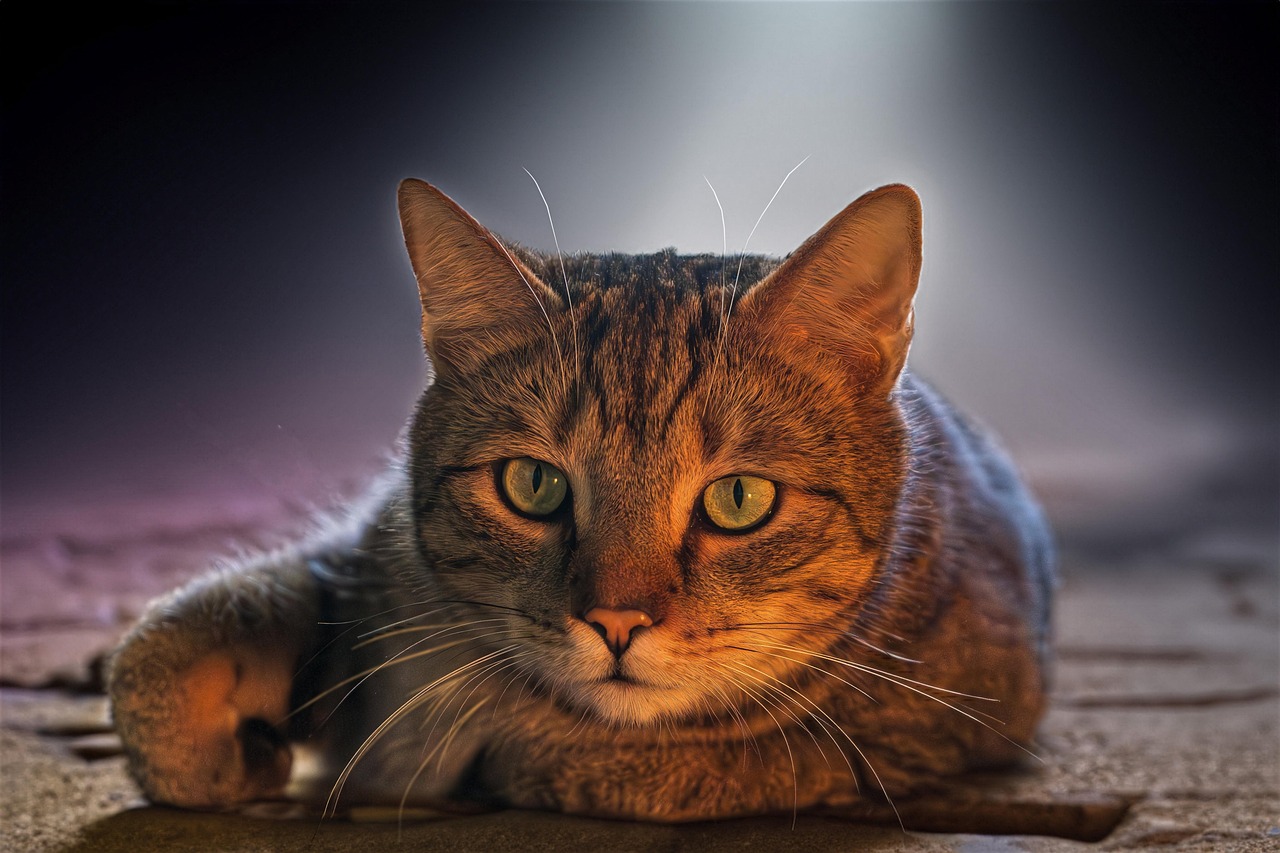
When capturing stunning photographs of cats outdoors, mastering lighting techniques is essential. Natural light can be your best ally, particularly during the golden hour, which occurs shortly after sunrise or before sunset. The soft hues during these times reduce harsh shadows and create a warm atmosphere for your feline friend’s portraits. Early morning light is often cooler and gives a delicate yet vibrant touch. Longer shadows can add depth and dimension to your images, making your photos more appealing. However, avoid shooting during harsh midday light; the brightness can create unflattering contrasts and deep shadows on your cat’s face. If it’s unavoidable, consider finding shaded areas such as under trees or near structures. You can also use reflectors to bounce light onto your cat or experiment with backlighting for unique silhouettes. When photographing, try adjusting your camera settings to compensate for the lighting situation, ensuring proper exposure. Each location and time of day will present unique challenges, but understanding the interplay between your setting and the light can produce magical cat portraits that showcase their personality beautifully.
In outdoor cat photography, timing is essential for achieving the perfect shot. The lighting can dramatically influence the mood of your photos, and strategically planning your shoot can help capitalize on the best natural light conditions. As mentioned earlier, the golden hour offers breathtaking lighting, enhancing the warmth and softness of your images. Additionally, consider cloud coverage; overcast days provide a natural diffuser, softening the light and eliminating harsh shadows for ethereal cat portraits. While it is appealing to photograph on sunny days, try to position yourself so that the sunlight comes from behind you, illuminating your cat’s fur beautifully. Using a tripod can also help keep your camera steady while adjusting for lower light situations. Moreover, keep an eye on your cat’s behavior and energy levels. Cats are more active during certain times of the day, and capturing their playful antics can lead to charming photographs. As a photographer, understanding when your cat is most photogenic can result in stunning shots filled with character. Take the time to explore various locations with different lighting to broaden your cat photography portfolio.
Utilizing Reflectors and Fill Light
Reflectors and fill lights are valuable tools for enhancing lighting in your outdoor cat photography. A reflector helps to bounce natural light onto your subject, illuminating areas that may otherwise fall into shadow. White reflectors can achieve a soft, natural feel, while gold reflectors produce warm, glowing effects, enhancing the warmth of your cat’s coat. Positioning your reflector at an angle can help focus the light precisely where it’s needed, like your cat’s face or eyes. Fill lights, whether natural or artificial, can also help overcast scenes. Using portable LED lights during low-light conditions can help brighten dark areas without overwhelming your subject. However, care should be taken to maintain a natural look and not blind your cat. Experimenting with both tools can heighten the visual interest in your photos, adding depth to the images. It’s crucial to consider the positioning of your cat relative to the reflectors and fill lights to avoid creating unflattering images. Embracing these techniques can elevate your outdoor cat photography results, enabling you to capture stunning moments in better light.
Another significant aspect of cat photography is understanding how to use shadows to your advantage. Rather than viewing shadows as a nuisance, you can incorporate them creatively to add depth and drama to your photographs. Shadows can help delineate features, enabling your cat’s outlines to pop against the background. Consider the angle of the sun and how it casts shadows in your chosen location. Adjust your position or your cat’s stance to manipulate these shadows artfully. You might capture interesting patterns formed by natural elements in the environment, such as trees or fences. Additionally, utilizing shadows can bring an element of storytelling to your images. By strategically placing your cat in relation to these shadows, it can form an inviting and interesting scene. Experimenting with different compositions can yield fantastic results. Make sure to check your camera’s exposure settings to ensure that the contrasts between light and shadow maintain detail and do not become overly blown out. Playing with shadows enhances your images significantly, so embracing this technique will lead to captivating cat portraits.
Adjusting Camera Settings
Effective outdoor cat photography hinges not only on lighting conditions but also on mastering your camera settings. The ability to adapt your camera’s settings according to the availability of light is essential for capturing high-quality images. Start with a wide aperture (low f-stop value), which creates a shallow depth of field, assisting in blurring the background while keeping your cat sharply in focus. This technique draws attention to your subject and reduces distractions from the surroundings. Additionally, using a faster shutter speed can be beneficial, especially when photographing playful cats in motion. A quick shutter speed freezes motion, making your shots crisp and clear. Adjust ISO settings depending on your light conditions; lower ISO for bright light and higher ISO for low light. Experimenting with manual mode can provide better results; it allows control over all settings simultaneously. Review your images periodically to see how effectively the settings are achieving your desired outcome. Practice frequently will build your confidence and skill level. Ultimately, proper camera settings complement adequate lighting techniques, culminating in stunning outdoor photographs of your beloved cats.
In addition to understanding lighting and camera settings, focusing on your subject’s expressions and behaviors can dramatically improve your outdoor cat photography. Capturing the unique personality of each cat relies heavily on being patient and observant. Take the time to engage with your feline friend before the shoot; allow them to explore their surroundings. This comfort will encourage more natural and dynamic poses during your session. Cats are naturally curious, and documenting their expressions while intrigued by their environment can result in beautiful candid shots. Timing is also crucial, so be prepared to snap the moment your cat displays emotion or interaction. Anticipate their actions; they might suddenly leap, play, or even chase something. Utilize continuous shooting mode on your camera, allowing you to capture a series of images in quick succession, ensuring you don’t miss any special expressions. Every cat has a unique personality, so learning to recognize and capture their idiosyncrasies can lead to stories within your portfolio. Ultimately, investing time to understand the nuances of your subject enhances overall composition and impact.
Finishing Touches in Post-Processing
Post-processing is an integral aspect of cat photography that often gets overlooked. After capturing stunning outdoor images of your feline companions, refining edits can significantly enhance the final output. Utilizing software such as Adobe Lightroom or Photoshop allows you to fine-tune aspects like brightness, contrast, and color balance effectively. In many cases, small adjustments can result in remarkable transformations, making your photographs more professional. For instance, sharpening the focus can enrich details, especially in the eyes of the cat, drawing viewers’ attention. Additionally, you can tweak saturation and vibrance to highlight the beautiful hues of the fur or the surrounding landscape. Consider cropping the images to improve composition; removing unnecessary elements can lead to a more engaging photograph. Employing filters or presets can provide artistic flair at times, but moderation is key. While editing can elevate your cat photography, ensure that the final image still resonates with authenticity. Balancing technique and artistry through mindful post-processing leads to stunning, memorable cat portraits that can be cherished for years.
In conclusion, lighting techniques play a pivotal role in outdoor cat photography. Mastering natural light, knowing how to use reflectors, and adjusting camera settings are vital strategies. Also, embracing shadows creatively helps you to achieve unique compositions. Understanding your subject’s behaviors enables candid captures that tell a story, enriched further with effective post-processing. Taking attention to all these aspects contributes to beautiful images showcasing your cats’ personalities in their natural environments. Make a conscious effort to explore diverse locations and weather situations; each offer unique lighting challenges and advantages. Above all, engage with your feline models, ensuring they feel comfortable and at ease during the process. This rapport will manifest in your photographs, yielding more vibrant and endearing results. As you practice and apply these techniques, your outdoor cat photography skills will undoubtedly grow stronger. Celebrate your journey into cat photography, taking the time to experiment with different approaches, settings, and environments. With each photograph, you capture not only moments but also create lasting memories. Happy shooting! Your cats are waiting for their close-ups.