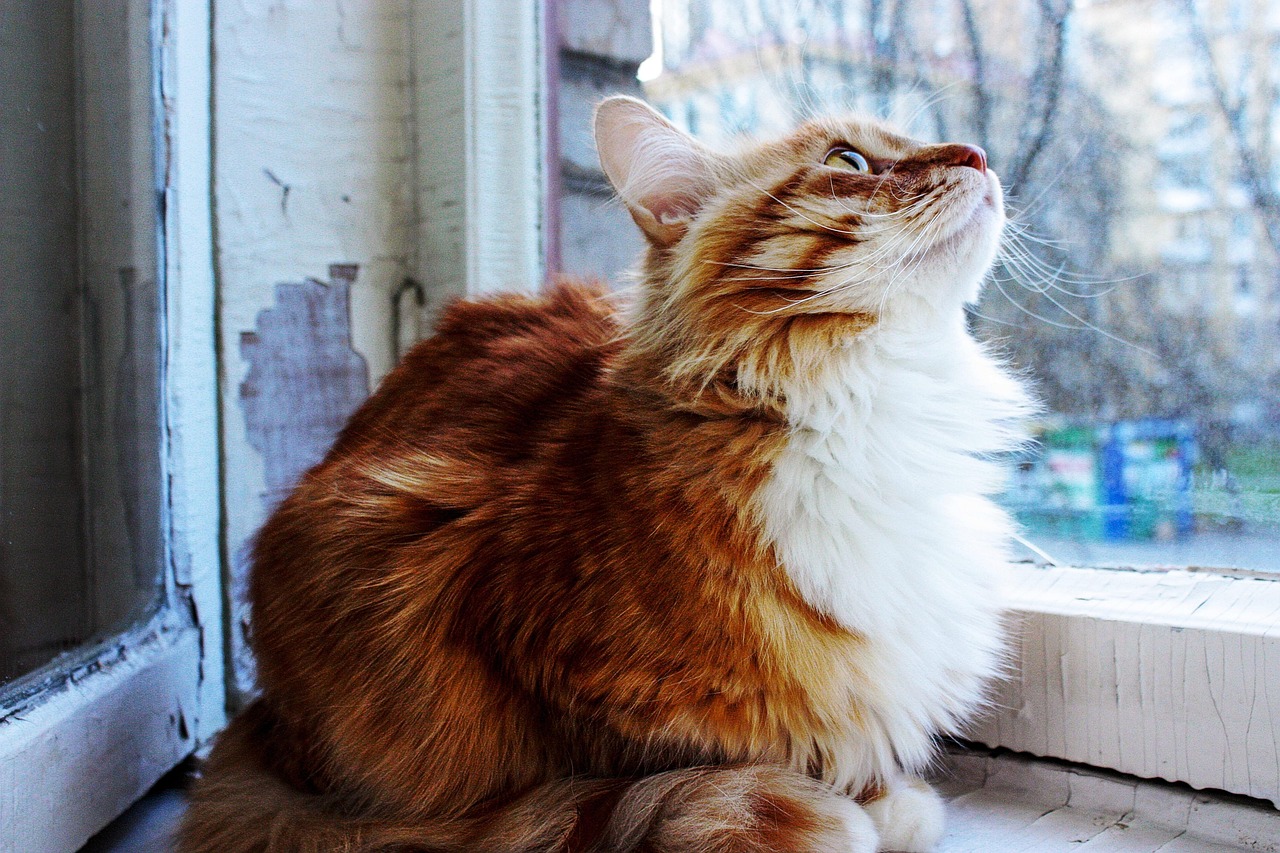

Dealing with Long-Haired Cats: Expert Grooming Tips
Long-haired cats, while absolutely beautiful, require a dedicated grooming regimen to prevent mats and tangles. Regular brushing not only keeps their coat looking healthy but also improves skin conditions by removing dead hair and dander. Ideally, cat owners should groom these felines several times a week. However, during shedding seasons, daily grooming sessions may be necessary to keep up with the extra fur. Choose a high-quality cat brush designed specifically for long fur; a pin brush or slicker brush works wonders. Additionally, bath time can help maintain cleanliness, but it’s essential to use a cat-specific shampoo to avoid skin irritation. Hydrating their coat with the right products can also promote smooth and shiny fur. Most importantly, always establish a positive grooming routine associated with treats and gentle handling. It can significantly reduce stress for both you and your furry friend. Always pay close attention to their behavior; if they show signs of discomfort, it’s vital to proceed with caution. Investing time in grooming not only enhances the looks of your long-haired kitty but also strengthens the bond between you and your beloved pet.
Understanding the anatomy of your long-haired cat is critically important. This includes knowing which areas of their body require more attention during grooming sessions. For instance, the underbelly, behind the ears, and the tail are spots where mats often form. Long-haired cats often develop knots that can tug at their skin, causing discomfort. Thus, a thorough examination while brushing is essential to identify problem areas early. Developing a systematic approach can make the grooming process much easier. Start at their neck and work your way down their body. Make sure to brush in the direction of hair growth to reduce pulling and irritation. Another useful tip is to use detangling sprays made specifically for pets. If you encounter a particularly tricky mat, never yank or pull; instead, use your fingers or a wide-toothed comb to gently work it out. Remember, patience is key. Stressed cats could become aggressive or withdraw and that will impede your grooming efforts. By monitoring their reactions, you’ll better understand their comfort levels and adapt your routine accordingly, creating a more rewarding experience for both.
Tools and Products for Effective Grooming
Having the right tools and products can make all the difference when grooming a long-haired cat. First, select premium quality brushes suitable for different coat types, such as dematting combs, soft bristle brushes, and undercoat rakes. Investing in sturdy, ergonomic tools can reduce strain on your hand, making grooming sessions longer and more enjoyable. Additionally, consider using grooming gloves that allow you to pet your cat while removing loose hair. Also, high-quality cat shampoo is essential for bath days; look for formulas that moisturize while cleaning without irritating your cat’s skin. A conditioner made for cats can further enhance the coat’s sheen and manageability. When it comes to nail trimming, use a specialized cat nail trimmer to avoid any discomfort. For brushing sessions, try to employ cat treats to incentivize your furry friend. Adopting a regular grooming schedule using favored tools can have long-lasting benefits for your cat’s health. Remember to thoroughly clean your brushes after use to maintain proper hygiene and ensure they perform optimally for your pet’s next grooming session. Prepare your grooming area with everything handy to make the experience smoother.
Recognizing different grooming techniques can help you cater to your long-haired cat’s unique needs. For instance, the “line brushing” technique is often recommended, particularly for those hard-to-reach areas prone to mats. Start from the skin and brush outward in layers, effectively tackling tangles while preventing damage to the coat. The “sectioning” technique is another useful approach where you divide your cat’s coat into sections. By focusing on one area at a time, you can ensure thorough grooming and inspection for skin issues. Be sure to brush consistently throughout each session to keep your cat relaxed. Short, focused sessions might work best at first, gradually extending them as your cat becomes more comfortable with the routine. Incorporating plenty of praise and gentle words can help with this. It’s also beneficial to engage a second person to either soothe your cat or help with holding them. Always be aware of any signs of discomfort. Learning your cat’s preferences can help adapt techniques that work best for both you and your kitty. This practice creates a soothing experience, transforming grooming sessions into a bonding opportunity.
Dealing with Mats and Tangles
When it comes to dealing with mats and tangles, proactive strategies are essential. Regular grooming can help prevent many mats from forming, but if you encounter one, stay calm and don’t panic. Use a fine-toothed comb or dematting tool, which can help you effectively and gently tackle problematic knots. Start at the edges of the mat and work your way inward, gradually loosening the strands without pulling too hard. Using a detangler spray can help ease the process as well. For larger mats, it may be helpful to cut them out with a pair of blunt-tipped scissors, but always be cautious to avoid pulling the skin underneath. If you’re unsure about clearing a mat, consider seeking professional grooming assistance. Persistence is key; some knots become tight and resistant over time. Always ensure that your grooming strategy is compassionate—taking breaks as necessary will maintain your cat’s calm temperament. Ultimately, consistent efforts will dramatically improve your cat’s fur and create a relaxed atmosphere during grooming sessions, paving the way for a happy and healthy relationship with your feline friend.
Understanding grooming seasonality can also significantly aid in your long-haired cat’s upkeep. Cats often shed more fur during spring and fall; understanding this timeline helps you prepare both mentally and physically. During these peak shedding times, you may need to increase the frequency of grooming sessions to manage the excess fur more effectively. Have specific tools handy, such as extra brushes and vacuum attachments dedicated to pet hair. It can also be beneficial to incorporate dietary supplements like omega fatty acids that promote a healthy coat year-round. Not only do these improve coat health, but they also benefit overall skin vitality. During these transitional periods, pay attention to any changes in your cat’s behavior, such as increased scratching or changes in grooming patterns, which could indicate skin issues. Regular vet visits can help ensure optimal health through these changes. Additionally, grooming routines can provide a time for wellness checks where you assess overall health by monitoring weight or unusual bumps. Responding quickly to changes can ensure your long-haired cat stays in the best health and condition.
The Benefits of Professional Grooming
While many pet owners prefer grooming their long-haired cats at home, there are notable benefits to professional grooming services. First, groomers are trained to handle various breeds, giving your cat expert attention tailored to their specific needs. They often have access to advanced grooming tools that can make the process easier, such as grooming tables that provide stability. Moreover, professional groomers can identify potential health issues, such as skin irritations or parasites, offering valuable insights for preventative care. This expert examination may go beyond regular home grooming, as they can diagnose problems early on. Professional grooming also provides a calming environment for cats that may not respond positively to home grooming sessions. Additionally, they can handle difficult grooming tasks, such as trimming nails or thoroughly cleaning sensitive areas. For busy pet parents, scheduling an appointment with a professional groomer can save much-needed time while ensuring your furry friend looks and feels great. To ensure a rewarding experience, choose a reputable grooming service to receive an excellent standard of care. Investing in this service can lead to a happier, healthier cat and foster a positive grooming experience for all parties.
Ultimately, the key to successful long-haired cat grooming lies in patience and persistence. Every cat has unique grooming requirements, so adjustments may be necessary based on behavior or preferences. As you build a grooming routine, incorporate regular check-ins to assess your cat’s comfort levels. This practice will not only help gauge the success of your techniques but also strengthen the bond between you and your furry friend. Recognizing changes—such as a new mat or dull coat—can provide key insights for effective grooming strategies. It’s also advisable to enlist help from family or friends to make the process easier and provide assistance when needed. Furthermore, promoting positive reinforcement during grooming sessions will develop good habits and foster a supportive environment. Long-haired cat grooming serves as an opportunity to ensure your pet’s well-being and comfort. With the right approach, these sessions can turn into moments of relaxation. Remember, every cat is different, so experiment with techniques until you discover what works best. Establishing a nurturing and tolerant grooming routine is the ultimate goal, creating not just a beautiful coat but also a beautiful bond.