
Grooming as a Coping Mechanism in Cats
Grooming behavior in cats serves multiple purposes that go beyond simple hygiene. It can often function as a profound coping mechanism, particularly in reducing stress and anxiety. When cats experience various stressors, such as changes in their environment, loud noises, or the introduction of new pets, they may resort to grooming to calm their nerves. This self-soothing action can help cats manage feelings of discomfort and relocation stress. Furthermore, grooming can release endorphins, which can promote feelings of happiness and relaxation. Cats often engage in this habitual practice to maintain their fur’s cleanliness and condition, yet its psychological benefits cannot be overlooked. Observing your cat’s grooming habits can provide insights into their mental state. If you notice excessive grooming to the point of fur loss, it might be indicative of underlying anxiety issues. It is essential for cat owners to recognize these behaviors to create a more comforting environment for their feline companions. Understanding the role of grooming behavior is vital for fostering a healthy mindset and minimizing stressors in your bustling homes.
Grooming behavior can significantly differ among individual cats depending on their personality, environment, and past experiences. Some cats are naturally more prone to anxiety and may engage in frequent grooming as a response to stress. This type of grooming often becomes compulsive, leading to excessive fur loss or skin irritations. Additionally, younger, more playful cats may groom differently than older, more sedentary cats. Environmental factors such as changes in routine, household dynamics, or even unseen pests like fleas can trigger increased grooming. Cats may also groom one another in a social bonding activity known as allogrooming, reinforcing their social bonds and reducing tension. This behavior serves as an important aspect of feline socialization. When multiple cats are present, observing their grooming interactions can unveil details about their hierarchy and relationships. Owners should strive to monitor these interactions for any signs of tension that could lead to stress-induced behaviors. Creating a safe environment that caters to both individual and social grooming needs will promote emotional well-being and lead to a happier, healthier cat.
Stressful situations can manifest differently in cats, and here, grooming can become a critical release valve. Increased grooming in stressful environments can serve as a temporary distraction, creating a momentary escape for the cat. Behavioral changes, such as litter box issues or increased hiding, may accompany heightened grooming. It is essential to contemplate the origins of the cat’s stress and look for cues that could indicate discomfort. Simple changes in the household, such as moving furniture or bringing new animals into the home, may provoke a grooming response. In addition, loud noises from fireworks or thunderstorms can trigger stress, causing cats to seek comfort in grooming. Owners can assist in mitigating these responses by providing safe spaces and engaging distractions. Interactive toys, vertical spaces, or even relaxation products can help soothe an anxious feline. Paying attention to a cat’s grooming patterns offers key insights into their emotional health. Know that regular veterinary checkups are crucial, as they can reveal underlying medical conditions that may often present as stress-related grooming. Keeping cats healthy will in turn keep their grooming habits in check, promoting overall well-being.
The Role of the Environment in Grooming Behaviors
The environment plays a critical role in shaping a cat’s grooming behavior. A stimulating and enriched environment can lead to less stress and, subsequently, reduced grooming rates. Cats thrive in spaces that allow them to express their natural instincts, including climbing, scratching, and exploring. Lack of stimulation can elevate anxiety and trigger heightened grooming as a response. Providing a variety of toys, scratching posts, and perches allows cats to engage physically and mentally. Outdoor access can also be beneficial, as it provides an outlet for energy and curiosity. Conversely, a chaotic home environment with frequent changes can hinder a cat’s ability to feel secure. Therefore, it is critical for cat owners to create a stable atmosphere. The implementation of a consistent routine regarding feeding, playtime, and quiet time can also reduce anxiety. It’s important to understand an anxious cat’s point of view. By ensuring that your cat’s environment is peaceful, cat owners can facilitate healthier grooming habits, allowing cats to feel safe, secure, and less stressed overall.
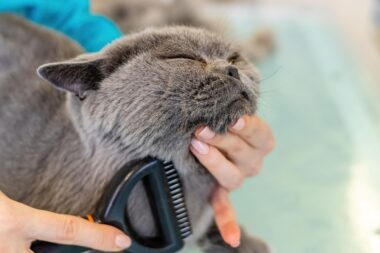
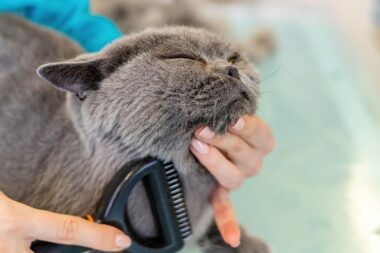
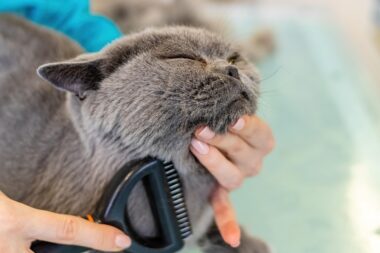
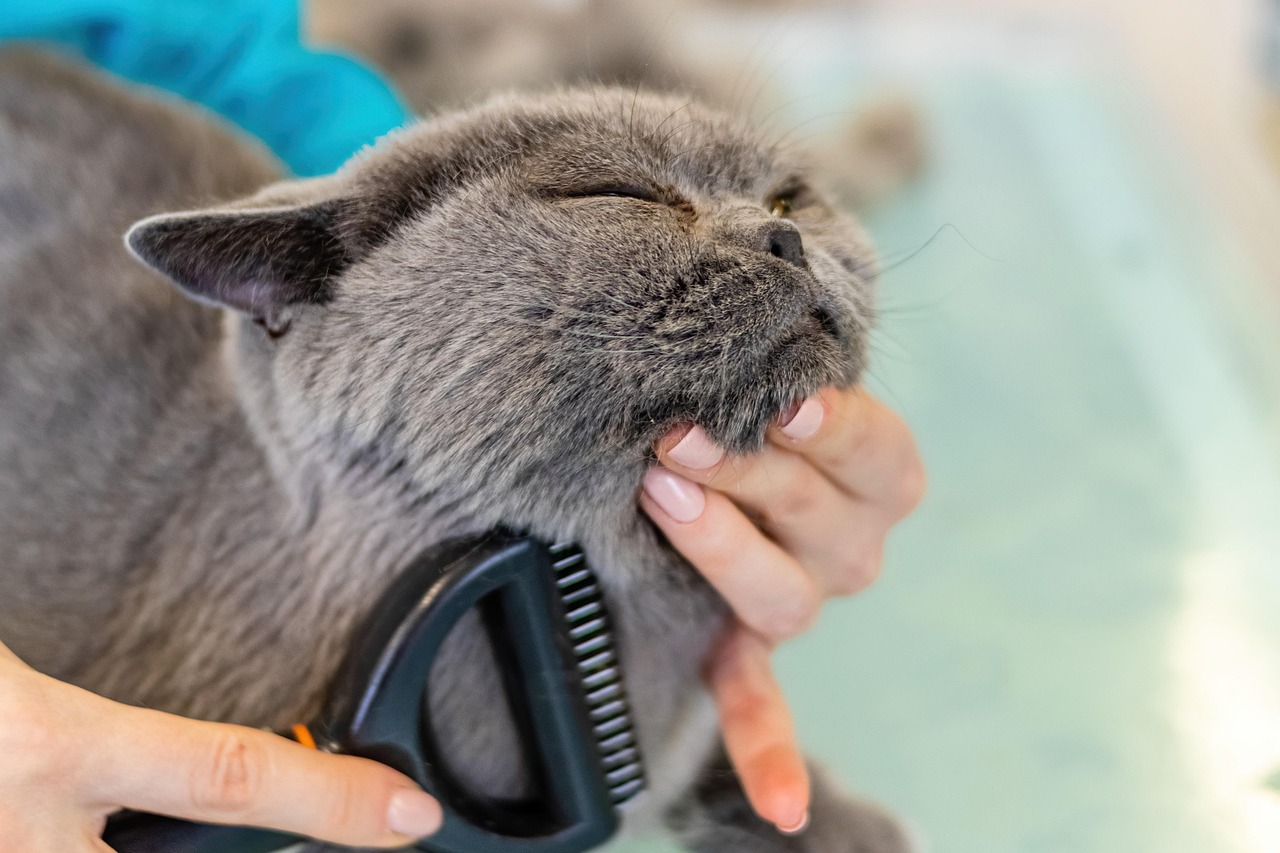
Regular grooming sessions by owners can significantly impact a cat’s grooming behavior. While many cats engage in self-grooming, routine brushing by their humans can enhance bonding and reduce stress levels. Cats often find these sessions soothing and can learn to associate grooming with positive experiences, which may redirect any anxiety-driven grooming actions into a mutually enjoyable activity. Engaging your cat in positive reinforcement during grooming allows you to create a calming routine that can serve as an effective coping strategy. Choosing the right grooming tools is essential; different brushes cater to various coat types, ensuring comfort during these sessions. Moreover, this practice helps reduce hairballs and matting, promoting healthier coat conditions. Devoting time to groom your cat not only nurtures your bond, but also allows you to monitor their health closely. During brushing, you can check for any signs of skin issues or lumps, ensuring any potential health concerns are addressed early. Establishing a routine that both cat and owner enjoy can significantly contribute to a cat’s emotional well-being, allowing them to feel cared for and safe.
Grooming can also serve as a behavioral indicator of a cat’s emotional state. Changes in grooming frequency or patterns often signal shifts in stress levels. A sudden increase in grooming may indicate that something in the environment is causing distress, while a decrease might suggest apathy or illness. It’s crucial for cat owners to pay attention to these nuances and maintain awareness of their cat’s general demeanor. Both physical and mental health can be assessed through these grooming behaviors, allowing owners to intervene when necessary. When cats stop grooming altogether, this may be a sign of medical issues or deep anxiety, warranting veterinary attention. Furthermore, chronic grooming issues can lead to skin infections or other complications if left unaddressed. Therefore, observing routine grooming habits and behaviors can be instrumental in safeguarding your cat’s overall health from both a medical and psychological perspective. Understanding how stress and anxiety affect grooming not only enriches the lives of our feline companions but also strengthens the bond between cat and owner by fostering mutual understanding.
Conclusion: Understanding Cat Grooming Behavior
Ultimately, grooming behavior plays a crucial role in the emotional and mental landscape of our feline friends. Recognizing that grooming serves as a coping mechanism for cats is fundamental for any cat owner. By creating a stable and understanding environment while monitoring their grooming habits, pet owners can positively impact their cats’ well-being. Furthermore, the importance of routine grooming sessions cannot be overstated. Positive interactions during these times not only soothe anxious cats but also foster bonding and trust between owner and pet. Awareness of grooming’s significance extends beyond mere aesthetics; it taps into deeper emotional needs and behaviors. By integrating these insights into your cat care routine, you contribute to a happier, healthier, and stress-free lifestyle for your feline companion. Ultimately, understanding and supporting these behaviors can promote happiness, security, and well-being in your cat’s daily life. Empowering your pet with a comforting environment and the right care will yield a rewarding companionship for both parties. Remember, our cats communicate through their behavior, and interpreting their grooming actions is a vital step in nurturing a loving and supportive relationship.
As a cat owner, your insights into your beloved feline’s grooming habits will guide you in enhancing their health and emotional resilience. Recognizing the link between their grooming behaviors and coping mechanisms sets the foundation for providing the optimal nurturing environment. Consistent observation and adaptability to your cat’s needs are paramount in promoting a comprehensive understanding of their behavior. While it’s natural for cats to self-groom, excessive grooming and alterations in their habits require immediate attention. Creating a safe and stimulating environment, alongside consistent grooming routines, establishes a solid basis for emotional well-being. Through these practices, owners can foster healthier relationships with their pets while also alleviating anxiety responses. By prioritizing and facilitating an environment conducive to a cat’s well-being, owners demonstrate love and consideration for their felines. As you invest time in observing, learning, and adjusting to your cat’s preferences, you not only promote their mental health but also deepen the bond you share. Let your feline thrive in a space shaped by understanding, love, and attention to their needs to enhance their overall happiness and emotional well-being.