
Minimizing Stress in Cats Before and After Dental Anesthesia
Dental care is vital for maintaining a cat’s health, but the experience of undergoing anesthesia can be stressful for both the cat and the owner. To minimize this stress, it is essential to prepare both the environment and the feline individual. Creating a calm atmosphere is foundational. Avoid loud noises and sudden movements, and consider using pheromone diffusers like Feliway, which can create a soothing ambiance for cats. Additionally, ensure that the vet clinic staff is experienced in handling feline patients, as their skills can make a significant difference. During the pre-anesthesia consultation, discuss your pet’s health history thoroughly with the veterinarian. This can help in creating a tailored approach to your cat’s care, focusing on pain management and comfort. Giving your cat familiar items, such as a favorite blanket or toy, can also provide comfort during their stay at the veterinary office. When preparing for anesthesia, proper hydration and fasting instructions should also be followed diligently to ensure your cat is physically prepared for the procedure, hence minimizing any risks involved.
After the dental procedure, it is crucial to create a smooth transition back home for your cat. Many cats may feel disoriented after anesthesia; therefore, providing a quiet, safe, and familiar space is vital. This can help your cat feel secure and reduce stress. A comfortable bed in a quiet room can serve as an excellent recovery area. Ensure that your cat has easy access to fresh water and a litter box without obstacles. Upon returning home, monitor your cat closely for any signs of pain, disorientation, or unusual behavior. Following the veterinarian’s post-anesthesia care instructions meticulously can promote faster recovery and provide reassurance to both you and your pet. Provide any prescribed medications exactly as directed, and if your cat experiences any adverse reactions, contact your vet immediately. It’s important to plan for a few quiet days post-procedure, avoiding stressful situations and visitors. Encouraging gentle play and offering treats can provide emotional comfort while enhancing recovery. It’s essential to follow up with your veterinarian as instructed to ensure your cat is healing well after the anesthesia and dental work.
Communication and Comfort
Effective communication plays a vital role in minimizing stress for your cat during dental procedures involving anesthesia. Discussing with your veterinarian about the entire process ahead of time can help alleviate any uncertainties you may have. Address all your concerns regarding the anesthesia, potential risks, and post-operative care instructions. Understanding the medication your cat will receive and the steps taken to keep them safe can provide peace of mind. Additionally, inquire about the specific monitoring techniques used during the procedure. Knowing that your cat will be closely observed throughout the anesthesia can help in reducing your anxiety, ultimately benefiting your cat’s stress levels. After the dental surgery, be patient with your cat. They may act differently as the anesthesia wears off. Providing a relaxed environment is key. Ensure that any lingering discomfort is addressed promptly by following your veterinarian’s guidelines while managing pain relief.
Stress can exacerbate recovery times, highlighting the importance of establishing a calm home environment post-anesthesia. Allow your cat to set the pace for their recovery, providing them with a location free from commotion where they can feel liberated to sleep and heal. Cats thrive when they feel in control of their surroundings, so limiting access to busy areas of the home may be beneficial. You might also consider keeping curtains drawn to minimize external stimuli such as busy streets and noises. To keep a positive atmosphere around your cat, engage them softly with approving vocalizations or quiet interactions rather than physical contact if they appear anxious. If your feline friend enjoys soothing sounds, playing gentle music can sometimes help. Keep toys nearby but refrain from encouraging overly energetic play at first. It’s essential to monitor their food intake, ensuring they are eating and drinking adequately, as proper nourishment supports recovery. Scalable activities, such as slowly introducing interactive toys, can further assist their emotional well-being as they recuperate.
Understanding Cat Body Language
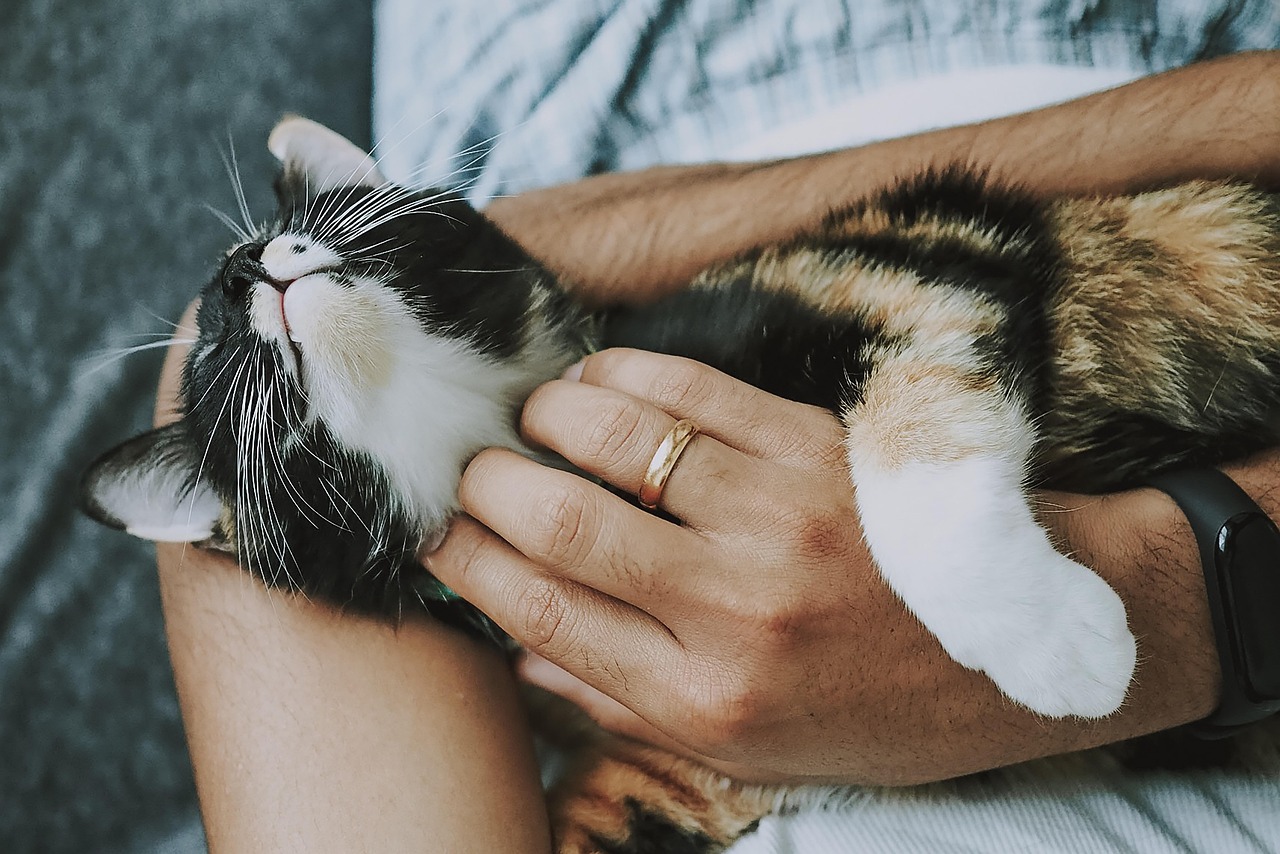
Understanding your cat’s body language is crucial for minimizing stress before and after dental anesthesia. Cats express discomfort or anxiety through their body posture, ear position, and vocalizations. Being familiar with these signals allows you to better cater to their needs throughout the dental process. For example, a cat with flattened ears and a twitching tail may be feeling threatened or stressed. Conversely, a relaxed body posture and slow blinking can indicate comfort. If you notice signs of stress in your cat, approach them quietly and calmly, ensuring that they feel secure before and after the dental visit. Carefully controlling how and when you touch your cat can also help minimize their anxiety. Always approach your cat gently and allow them to initiate any interaction. If you recognize that your cat is becoming overly distressed, provide a quiet space for them to retreat and gather themselves. Positive reinforcement, such as gentle petting when they show relaxed behavior, can help establish trust. This support not only reduces stress but enhances the overall experience surrounding necessary dental care.
Lastly, regular dental care at home can greatly reduce the need for anesthesia in the first place. Incorporating tooth brushing into your cat’s routine can help prevent dental diseases, thus minimizing future stress. Use a toothbrush and toothpaste specifically designed for cats, ensuring a comfortable and safe experience. Gradually introduce the toothbrush to your cat, associating it with positive experiences. Training them to accept dental care is achievable and can significantly benefit their oral health. Additionally, providing dental treats formulated for cats can support their oral hygiene while making them feel rewarded. Always consult your veterinarian for professional advice on home care routines. Scheduling regular dental check-ups allows your veterinarian to monitor your cat’s oral health and catch potential issues early, which can minimize the need for subsequent dental procedures requiring anesthesia. The combination of at-home care and professional advise can foster significant reductions in stress for both you and your cat, building a resilient health-based routine that supports their overall well-being and comfort.
Continue Educating Yourself and Your Cat
Finally, the more you understand about cat dental care and anesthesia, the better equipped you will be to help minimize stress for your feline friend. Stay informed through reading reliable resources on cat health, attending veterinary workshops, and connecting with cat health communities. The relationship you cultivate with your veterinarian fosters a supportive environment where essential knowledge is shared and implemented. Your thorough understanding can enable you to speak confidently about your cat’s needs and advocate effectively for their care. Additionally, as part of their routine, regularly evaluating your cat’s dental health at home will give a clear picture of their dental needs. This proactive approach to understanding and remedying any concerns can significantly reduce anxiety during scheduled veterinary visits. Lastly, if your cat does seem to be more sensitive to stressful situations, consider consulting a feline behaviorist who can provide additional strategies tailored to your cat’s specific personality and needs. Building a personal understanding and approach may transform your experience surrounding dental care and anesthesia.
With proper planning, understanding, and communication, both you and your cat can navigate dental anesthesia with far less stress. Adopt a comprehensive approach that encompasses awareness, environmental management, and nurturing relationships with veterinary professionals. This can create an overall supportive environment for your cat during critical dental procedures. You do have the ability to influence your cat’s experience positively through preparation, monitoring, and proactive engagement. Every cat is unique, so prepare for their individual responses and adjust your approach accordingly. By committing yourself to these essential practices, you are taking an active role in ensuring the comfort and well-being of your beloved pet as they undergo necessary dental procedures. Your diligence will not only enhance their surgery experience but also promote their continued health and happiness long-term. It serves as a powerful reminder that your cat deserves both excellent dental care and a stress-free environment capable of fostering their emotional well-being. Keeping these strategies in mind can help you achieve the calm and ease you both need surrounding dental care.