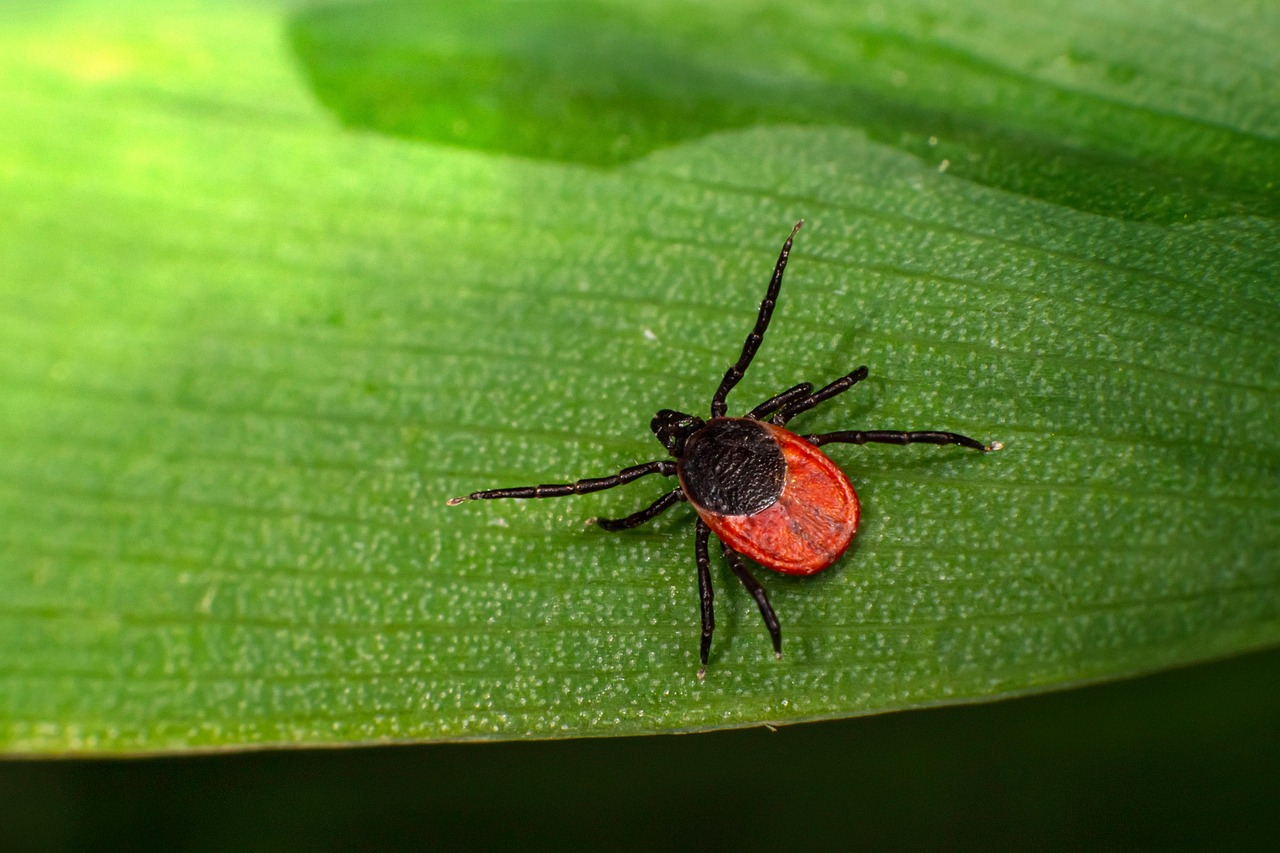

Monitoring and Reporting Tick-borne Diseases in Dogs: What Vets Recommend
Tick-borne diseases are increasingly concerning for dog owners and veterinarians alike. These diseases are caused by various pathogens transmitted by ticks. Common tick-borne illnesses in dogs include Lyme disease, ehrlichiosis, and anaplasmosis. Early detection and timely intervention are crucial for managing these conditions effectively. A careful approach to monitoring is necessary. Owners must inspect dogs regularly for ticks, especially after outdoor activities. Dogs can exhibit symptoms such as fever, lethargy, and joint pain once infected. It is essential that veterinarians educate pet owners about tick prevention methods. Regular consultations help reinforce preventive measures. Additionally, awareness campaigns can highlight the significance of immediate veterinary care following tick exposure. Vaccination protocols may also be introduced as preventive practices. Initiatives by local vet clinics, such as community check-ups and tick identification workshops, play a critical role. Communication between clients and vets leads to better outcomes in managing tick-related health issues. Supporting research on effective tick control is equally important. Understanding the ecological patterns of ticks allows for better regional prevention strategies to safeguard canine health.
Recognizing symptoms that indicate tick-borne diseases in dogs is vital for early diagnosis. Common signs include intermittent lameness, swollen joints, and changes in behavior. If these symptoms are observed, it is critical to consult a veterinarian without delay. Differential diagnoses are essential to rule out other potential health issues that may mimic tick-borne diseases. Comprehensive blood tests help identify infections present in your dog. Furthermore, veterinarians may recommend treatment options that range from antibiotics to supportive care. Proper treatment ensures quick recovery from the ailments caused by these illnesses. Owners should also educate themselves about transmission paths for ticks, ensuring their pets remain safe during outdoor activities. Removing ticks carefully and promptly can limit transmission risks significantly. There are various tick removal devices available that can assist in this process. Owners should familiarize themselves with the best practices for removing attached ticks. On a preventive level, regular tick treatments such as topical medications, collars, and oral preventatives are available. Discussing these options with a veterinarian can tailor the best approach. Collective awareness and proactive management foster healthier, happier dogs while diminishing the impact of tick-borne diseases.
Effective Tick Prevention Strategies
Implementing effective tick prevention strategies is indispensable in safeguarding dogs from diseases. One of the primary methods includes maintaining a clean yard by regularly mowing grass and clearing debris. This limits the tick population in your surrounding environment. Utilizing specific insecticides can also help control tick populations. Discussing which products are safe for use around pets is essential. Aside from environmental management, choosing appropriate tick preventatives is crucial. Products like topical treatments, oral medications, and tick-repelling collars offer protection for your dogs. Adhering to a consistent schedule for administering these treatments can provide the best defense against tick infestations. Additionally, making informed decisions on the best products suited to your dog’s age and health status is integral. Organic and natural alternatives for pest control may also be explored, catering to a holistic pet care approach. Another preventive measure involves avoiding woodland areas or tall grasses during peak tick seasons. Monitoring your dog during these outdoor adventures can significantly lower the risk of exposure. Lastly, connecting with a veterinary team for tailored tick prevention strategies enhances your dog’s health. Personalized recommendations will equip you with knowledge and tools to prevent tick-borne disease risks.
Understanding the specific geographical regions where tick-borne diseases are prevalent is essential for appropriate monitoring. Certain areas, such as wooded regions or places with high humidity, are more conducive to tick growth. Consequently, pet owners residing in such locations should be particularly vigilant. Local veterinarians often conduct surveys to track tick prevalence and associated diseases, proving invaluable in community awareness. Furthermore, the role of meteorological factors, like temperature and rainfall, influences tick activity. Knowledge of the seasonal behaviors of ticks enables timely preventative measures before populations expand. Engaging in ongoing education through community workshops or online resources promotes awareness of these semester trends. Being proactive contributes to lower infection rates in pets while fostering an environment of both education and prevention. Good communication between dog owners and vets leads to the development of disease management programs that can address local concerns. Additionally, tracking and reporting cases of tick-borne diseases enhances our overall understanding. Collaborating with local animal hospitals or foundations aids research initiatives, ultimately benefiting canine health across communities.
Tips for Tick Removal and Reporting
When encountering an attached tick on your dog, swift action and knowledge are key components of effective removal. Specialized tick removal devices, such as tick twisters, can simplify the process and reduce the risk. It is essential to grasp the proper technique, which involves grasping the tick as close to the skin as possible and pulling straight out. This minimizes the chance of leaving parts of the tick embedded in the skin, which can lead to infections. After removal, disinfecting the bite area thoroughly is crucial to prevent any infections. Monitor the area for any signs of irritation or inflammation that could indicate an infection. In the event that symptoms appear after removal, consulting a veterinarian promptly is advisable. In terms of reporting, maintaining records of tick encounters, including date and location, helps develop a better understanding of tick patterns in your area. Constructive data accumulation benefits community awareness and monitoring programs. Additionally, reporting confirmed cases of tick-borne diseases encourages further research. Engaging with local public health departments may also enhance the overall wellbeing of canine populations.
In summary, the focus on monitoring and reporting tick-borne diseases is vital for managing canine health. Regular inspections, prompt treatments, and effective prevention measures work synergistically to minimize risks. Engaging in communication with veterinarians ensures access to vital resources and information regarding ticks. Sticking to a proactive routine of check-ups and vaccinations can fortify defenses against tick-borne illnesses. Resources like local veterinary clinics and online networks also serve as excellent platforms for gathering information. Being part of a community that supports education on tick prevention helps raise awareness, making it a collective effort. By staying informed, dog owners can make confident decisions regarding their dogs’ health. The emphasis should be on prevention rather than treatment; thus, creating an environment that fosters dog wellness. Pet owners can take pride in knowing they proactively contribute to their pets’ overall health. Furthermore, collaboration in community awareness initiatives promotes broader public engagement. By taking action, we can work together to build healthier futures for our beloved canine companions. Regular monitoring and support mechanisms can ultimately diminish the threat of tick-borne diseases.
Conclusion: A Collective Effort
Ultimately, addressing tick-borne diseases in dogs requires a multifaceted approach that combines awareness, education, and preventive actions. Partnerships between veterinary professionals and pet owners embody an essential element of this endeavor. By keeping dogs safe from ticks, we build a healthier community for pets and people alike. Communities should facilitate education programs on tick risks and preventative strategies to ensure responsible dog ownership. Such initiatives can nurture an environment of awareness and enable residents to protect both their dogs and their families. The information gathered about tick prevalence should be disseminated widely through social media and local channels, fostering a more informed public. Efforts to raise awareness should not be underestimated, as they empower dog owners with knowledge and support. The more knowledgeable we become about these diseases, the better equipped we are to prevent them. Continuous dialogue about best practices and prevention encourages comprehensive solutions that cater to canine health. In conclusion, by uniting our efforts, we can play a significant role in combating tick-borne diseases, ultimately ensuring the well-being of our canine companions across communities.
As we navigate through this journey, research advancements will contribute further to tackling tick-borne diseases. New findings related to the biology of ticks and the diseases they carry will enhance our understanding and improve prevention strategies. Continued collaboration between researchers and veterinarians is critical for developing innovative treatments alongside more effective vaccines. Involving pet owners in the conversation around tick prevention remains paramount; education efforts ensure that awareness reaches all dog owners. Maintaining the health of our dogs hinges on shared responsibility between individuals and professionals. We encourage open lines of communication to encourage effective tick management practices. Likewise, incorporating technological advancements, such as mobile apps for tick identification and risk assessment, will prove beneficial. These tools foster better knowledge sharing within local communities. In conclusion, our approach to tick-borne diseases must remain collaborative and proactive. Informing pet owners about emerging research invigorates discussions regarding tick prevention. Our shared commitment can lead to lasting results that protect our dogs from tick-borne illnesses and contribute to overall public health. Together, we can ensure safer environments for dogs and empower responsible pet ownership.