
Swimming Benefits for Different Dog Breeds
Swimming is an excellent form of exercise that offers a multitude of benefits for various dog breeds. Not only does it help in keeping dogs fit, but it also provides them with mental stimulation while relaxing their joints. For breeds like Labradors and Golden Retrievers, who love water, swimming can be a favorite pastime that also keeps them physically active. Swimming is an excellent low-impact workout, making it perfect for older dogs or those with joint issues, allowing them to stay active without the stress of running on land. Additionally, water activities provide instant relief when it comes to hot weather, keeping dogs cool while boosting their energy levels. Several dog-friendly facilities and pools are available for this purpose, providing a safe environment for swimming. Furthermore, structured water exercises can help improve a dog’s cardiovascular fitness and endurance, enhancing their overall health. By engaging in swimming sessions, dog owners can bond with their pets while keeping them entertained, ultimately leading to better obedience and training outcomes. As a safe and enjoyable exercise method, swimming is undoubtedly a great option for different dog breeds.
For breeds like Bulldogs and Pugs, swimming serves as a beneficial alternative exercise option as well. These dogs may not be as adept at swimming as water-loving breeds but can still enjoy this activity. Special care needs to be taken to ensure their safety in water due to their unique body structure, which hinders their natural swimming ability. Gradual introductions to water will help familiarize them and build confidence without causing stress. The buoyancy of water alleviates the strain on their short limbs, making swimming an excellent way for them to build muscles. As a further benefit, swimming can help improve heart health and respiratory function in these short-nosed breeds. Owners of these dogs should invest in life jackets specifically designed for them, ensuring an additional layer of safety during swimming activities. This helps prevent any risk of accidents and creates a more enjoyable experience for both the dog and the owner. Overall, swimming can be carefully integrated into the exercise routines of different breeds, including those with concerns, making it a versatile option for dog owners.
Cooling Benefits for Water-Loving Breeds
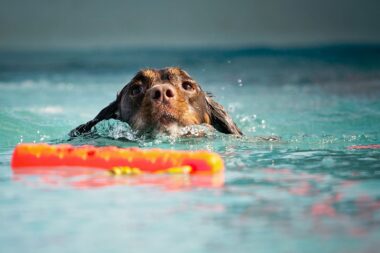
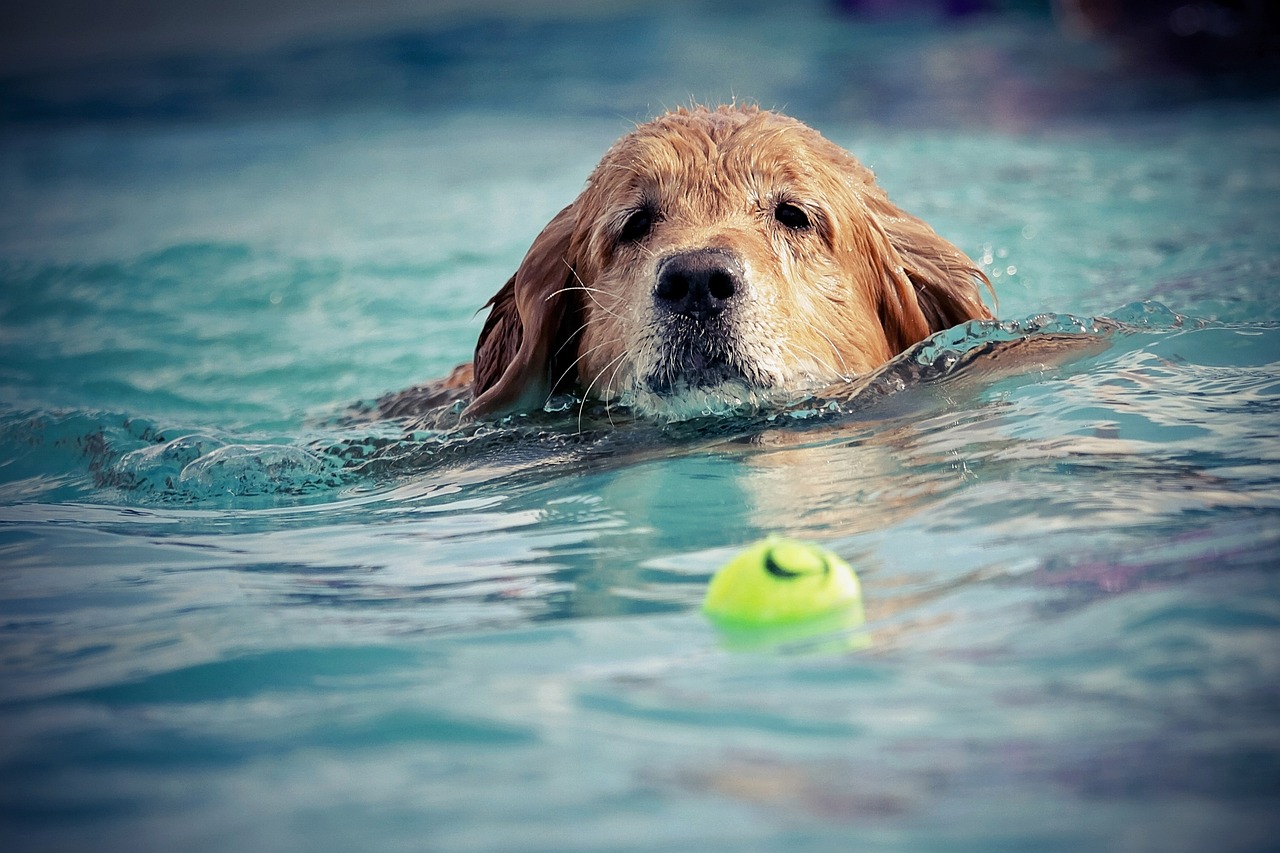
Water-loving breeds such as Retrievers, Setters, and Spaniels thrive in environments that involve water-based activities. For these breeds, swimming is not only enjoyable but also serves as a cooling mechanism during warmer months. Dogs tend to overheat quickly, especially those with thick fur or short noses. By allowing them to swim, you provide an outlet for play while simultaneously regulating their body temperature. Swimming activates different muscle groups, improving their overall physical condition. Additionally, socialization occurs as these breeds frequently interact with other dogs during communal swims at local dog parks or pools. This interaction can help mitigate behavior issues stemming from boredom and lack of stimulation. It’s essential to monitor your dog’s swimming duration to avoid fatigue, but also to allow time for playing and relaxing in the water. Moreover, using splash-friendly toys can keep them entertained and engaged, making swimming a rewarding activity for these breeds. As a responsible dog owner, swimming should be included regularly in your dog’s exercise regime, promoting their well-being and happiness throughout the year.
Swimming benefits can also be observed in breeds that tend to be prone to obesity, such as Dachshunds and Cocker Spaniels. Engaging these dogs in swimming can significantly aid in weight management without the joint strain associated with traditional exercises. Because of their small stature, these breeds are susceptible to excess weight, which can lead to serious health issues. Swimming is a great way to help them shed pounds while ensuring they get adequate cardiovascular exercise. Owners can make swimming a fun activity by incorporating games like fetching or diving, keeping their pets motivated while they work out. It’s crucial to supervise these smaller breeds during swimming sessions since they can tire quickly or get overwhelmed in water. Frequent swim sessions will not only help control their weight but also foster stronger bonds between owner and pet as they share exhilarating experiences together. Additionally, many dogs will naturally enjoy swimming if introduced properly and consistently. Lastly, conditioning through swimming encourages healthy habits and lifestyles, aiding in developing a sense of enthusiasm in these small breeds about staying active.
Enhancing Pool Safety for All Breeds
When considering the implementation of swimming into the exercise routine for different dog breeds, safety must remain a priority. This can involve equipping your dog with a proper life jacket, especially if they are inexperienced swimmers or belong to a breed known for struggling in water. Life jackets can ensure their safety and instill confidence, allowing dogs to explore and enjoy water more freely. Additionally, owners should establish boundaries to prevent hazards around pools or lakes, ensuring that entry and exit points are easy for dogs to navigate. Always supervise dogs when swimming, particularly in open bodies of water, to address any potential dangers. Dogs should also be introduced to swimming gradually to avoid anxiety or panic. Regular breaks during swimming sessions are essential to keep them fresh and avoid fatigue. An emphasis on correct swimming technique not only promotes a healthier experience but also enhances fitness levels overall. Learning to swim correctly can prevent injuries and allow for a long-lasting, enjoyable experience. Safety measures are crucial for responsible outdoor fun and achieving the full benefits of swimming.
Recovery from injuries is another significant benefit that swimming offers, especially for breeds susceptible to mobility issues like Bulldogs, Rottweilers, and German Shepherds. The gentle resistance of water provides an environment conducive to rehabilitation that allows dogs to strengthen muscles and restore mobility without causing additional strain. Swimming can effectively support postoperative recovery and enhance range of motion while minimizing pain. Veterinarians often recommend hydrotherapy sessions for such dogs to speed recovery processes with tailored swimming exercises. By incorporating swimming into a dog’s rehabilitation regime, owners can promote faster recovery times while maintaining enjoyment for their pets. Additionally, this alternative form of exercise mitigates the risk of weight gain that can accompany decreased activity due to injuries. Various facilities offer specialized dog swimming therapy pools equipped with ramps and assistance to ensure a comfortable transition for dogs with reduced mobility. By understanding the necessities and methods to facilitate recovery successfully, pet owners can aid their beloved dogs in regaining their former agility and strength. Overall, these recovery benefits underscore the vital role of swimming for many breeds across differing circumstances.
Supporting Mental Well-Being Through Swimming
Swimming also supports the overall mental well-being of different dog breeds. Engaging dogs in swimming activities aids in alleviating stress and anxiety. Dogs often thrive in environments where they can expend energy, interact with new stimuli, and explore. Swimming allows them to engage in sensory experiences unique to water play, enhancing their emotional stability. This activity also creates numerous opportunities for effective training sessions and bonding time with their owners, which can further improve their behavior overall. Stress reduction through swimming contributes to a happier disposition for dogs in various breeds, leading to more positive interactions with humans and other dogs. Additionally, a positive environment fosters better learning capabilities, assisting in developing skills even after swimming sessions conclude. Continuous exposure to the water can also help alleviate the fear of loud noises and stimuli often related to swimming venues such as public beaches and lakes, making swimming a therapeutic outlet. By prioritizing swimming in a dog’s exercise schedule, owners can maintain healthier, happier dogs that represent their best characteristics at home.
In conclusion, swimming presents numerous advantages for different dog breeds, contributing positively to their physical and mental health. From conditioning and recovery support to ensuring adequate exercise for various breeds, swimming encompasses a transformative impact on overall dog well-being. With many prevalent benefits available, pet owners should consider incorporating swimming into the exercise regimen of their dogs through structured playtimes at local pools, ponds, or beaches. Dog owners can customize swimming experiences according to their breed’s unique needs. Regardless of your chosen approach, swimming provides fun, fitness, and an opportunity to bond more profoundly with your furry friends. As you consider dog exercise alternatives, do not overlook the value of swimming as a wonderful option that promotes health while enabling deep bonds. Regular swimming activities can ensure long-term benefits, growing more vital as dogs age. By recognizing the advantages presented by swimming, pet owners can take actionable steps toward enriching their dogs’ lives today, promoting happier and healthier lifestyles for their beloved companions.