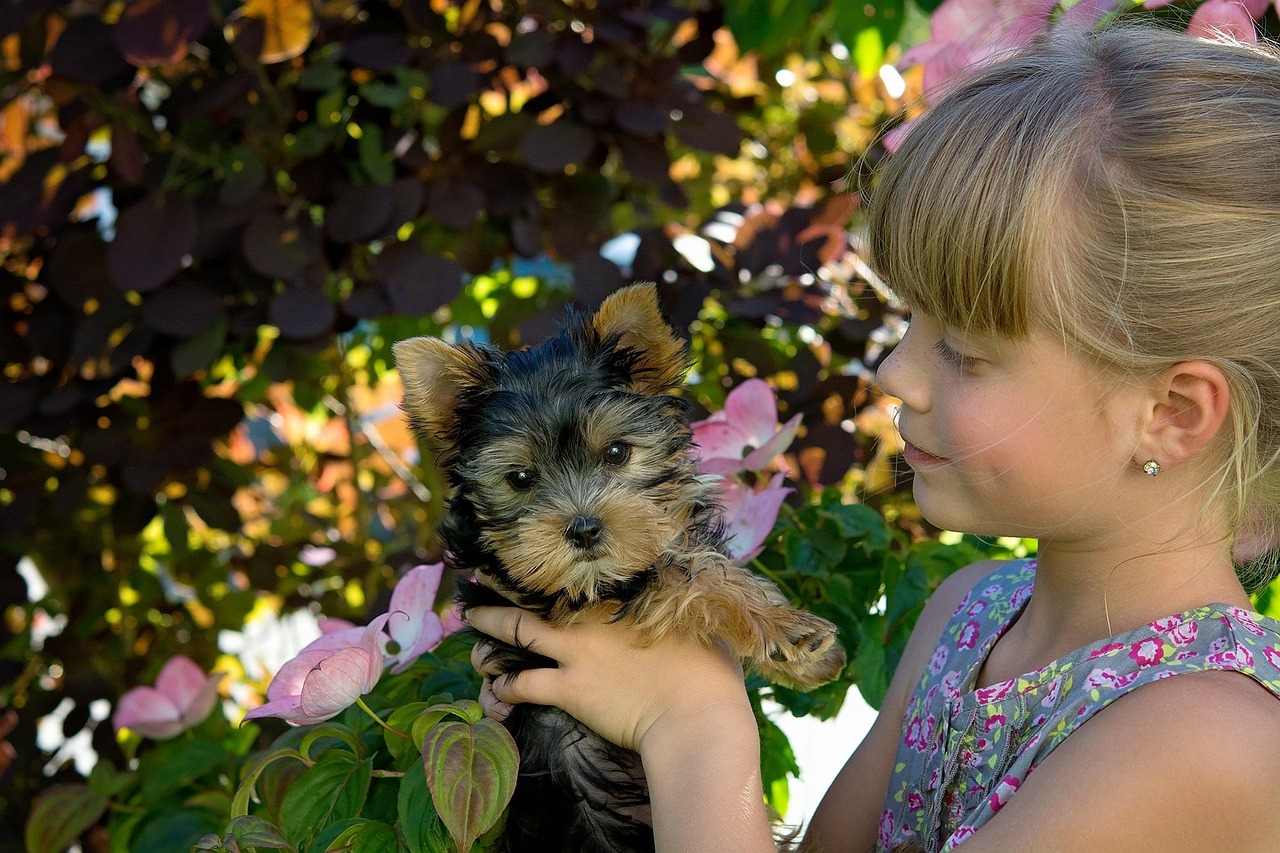

Yorkshire Terrier and Children: Tips for a Harmonious Relationship
Yorkshire Terriers, often referred to as Yorkies, are lively and affectionate companions, making them popular among families. They possess a playful nature that can align well with the energy levels of children. However, fostering a harmonious relationship between Yorkies and young ones requires understanding and careful integration. Children, especially toddlers, may not yet comprehend how to interact gently with pets. This could inadvertently lead to actions that stress the dog. Parents must educate their children on approaching the Yorkie respectfully, ensuring mutual comfort and safety. Children should learn to avoid pulling on the dog’s fur or tail and refrain from startling the pet suddenly. Involve your kids in the responsibility of pet care, such as feeding the Yorkshire Terrier and providing supervised playtime. This engagement builds a bond that benefits both parties. Over time, Yorkies and children can develop a sincere affection for one another, filled with joyful moments. These small dogs can thrive in a family environment when both parties are trained and supported. Such foundations promote a lasting and loving relationship within the household, minimizing risks associated with interactions.
Establishing boundaries is crucial for all interactions between Yorkshire Terriers and children. Designate specific areas where the Yorkie can retreat when feeling overwhelmed. This can be a quiet corner or a dog bed where they feel secure. Teach your children to respect these spaces, indicating that the dog may need alone time. Additionally, set rules about how children can handle the Yorkshire Terrier during play. Gentle petting and soft voices encourage a calm atmosphere. Be vigilant about supervising playtime, allowing you to step in and correct any rough behavior. Positive reinforcement techniques work wonders; reward your kids for displaying gentle behavior toward the dog. Create harmony by establishing routines that incorporate the dog while respecting the needs of both the child and the pet. For instance, consider scheduling daily pack walks or family play sessions, ensuring everyone is included. This promotes a sense of teamwork and responsibility in children. Over time, children will learn the importance of kindness towards animals. Fostering healthy interactions minimizes friction and helps establish mutual respect. Such a nurturing environment results in an enduring friendship between the Yorkshire Terrier and your family.
Understanding the Yorkshire Terrier’s Temperament
Yorkshire Terriers are known for their bold personalities, often defying their small stature. Their temperament is characterized by curiosity, confidence, and playfulness, making them perfect playmates for children. However, it’s essential to recognize that every dog has its limits. Yorkies may display signs of discomfort if they feel threatened by rough or overly enthusiastic behavior from children. Observing body language is crucial; flattened ears or a tucked tail are signs that the dog needs space. Incorporating gentle socialization experiences in your family’s routine can significantly impact the behavior of a Yorkshire Terrier toward children. Frequent interactions with well-behaved kids in safe environments will help the dog become more comfortable with young ones. Remember to reinforce calm behaviors through positive reinforcement. Training sessions can help the Yorkie learn commands and tricks, creating a fun atmosphere for both the pet and the kids. Engaging in cooperative activities between your Yorkie and children fosters strong bonds built on trust and affection. By nurturing each other’s strengths, lasting relationships can be forged, promoting loyalty, fun, and love within your family unit.
Socialization is paramount in ensuring harmonious relationships between Yorkshire Terriers and children. Exposing your Yorkie to children of various ages encourages friendly interaction, reducing potential fear or anxiety. Consider hosting playdates at home or in fenced outdoor areas. This can help your Yorkie develop social skills and adaptability. Keep a close watch on all interactions, ready to intervene if a situation escalates. Processes such as learning how to engage in play, addressing adaptability, and reducing anxiety are all beneficial. Additionally, enroll your Yorkshire Terrier in group training classes, where they can meet other dogs and new children in controlled settings. These experiences contribute significantly to their confidence, leading to better mutual understanding. Rewards like treats and praise can reinforce good behavior, promoting positive associations with children and their playfulness. Regularly introduce new experiences but ensure they are gradual, catering to the Yorkie’s comfort level. Nurturing social skills can minimize behavioral issues, paving the way for smoother interactions. It’s also vital to teach children how to approach dogs respectfully, which fosters a bond of trust and ensures their safety during interactions.
Proper Supervision and Interaction
Proper supervision when toddlers and Yorkies are together is crucial, as it mitigates risks associated with spontaneous interactions. Parents must actively oversee playtime, stepping in to redirect behaviors that may stress the dog. Teaching children to approach the Yorkshire Terrier calmly, allowing the dog to come to them when ready, can significantly improve interactions. This promotes autonomy for both the child and the dog while reducing the number of overwhelming situations. Demonstrate gentle handling, showcasing the ideal manner to pet or engage with the Yorkie. Fun activities, such as sharing toys, also create cherished memories. Employ age-appropriate toys that are safe for both the child and dog, emphasizing the importance of sharing. Avoid giving small toys that could be easily swallowed, opting instead for robust items selected to promote healthy, interactive play. Parents should instill a sense of responsibility in children regarding the care of their Yorkshire Terrier, making them active participants in the bonding process. This not only fosters empathy but also develops a respectful relationship between young ones and their furry friends. Making safe play routines enjoyable enhances the overall quality of family time together.
Establishing playtime routines that suit the Yorkshire Terrier’s energy levels is vital for interaction. Yorkies thrive on daily exercises; therefore, integrating short, supervised play sessions into your children’s routine can be extremely beneficial. Plan engaging activities like fetch or gentle tug-of-war to keep the dog active and entertained. These playful moments stimulate bonding, showcasing the joy of teamwork. Develop an understanding of your Yorkie’s cues, ensuring that play does not become overly excitable or chaotic. If the dog seems overwhelmed, it’s essential to pause and allow for a break. This teaches children to understand and respect the dog’s feelings. Encourage them to be aware of the pup’s limitations, fostering compassion and empathy towards all animals. After play sessions, reward the Yorkshire Terrier with some treats, reinforcing healthy behaviors afterward. Also, consider involving the dog in family activities, such as watching TV or storytime. These low-key opportunities enhance connection and form a routine that promotes security and comfort for both kids and dogs. Ultimately, combining kindness and care leads to successful and happy interactions that you’ll cherish as a family over the years.
Creating a Safe Environment
Creating a safe environment for both your Yorkshire Terrier and children is essential in ensuring their well-being. This will not only enhance the relationship but will also contribute to a positive experience at home. Focus on providing areas in your house where the Yorkie can retreat, especially during hectic family activities. Child-proof your home by arranging spaces that minimize the risks of accidents. Keep harmful items, including small toys and cleaning supplies, well out of reach of both children and pets. Designate a comfortable space with a cozy bed, toys, and water where the Yorkie can relax. It’s also essential to talk about calm behavior towards dogs. Educate children on which interactions are appropriate and where they might need to keep a distance, like during feeding time. Reinforcing lessons about being gentle and kind helps build a positive atmosphere where harmony thrives. Furthermore, ensure that all family members understand the signs of stress in the Yorkshire Terrier. By fostering knowledge about canine behaviors and feelings, the whole family can engage in nurturing relationships that promote safety internal.
Investing time in exploring training resources and engaging in family discussions about proper interactions with pets can further enhance relationships. This equips each family member, including children, to understand more about the needs of the Yorkshire Terrier. Consider enlisting the help of a professional dog trainer if needed, ensuring that the dog learns essential commands for better communication. Balance discipline with fun to create an environment where learning feels rewarding. Engage children in basic training activities, allowing them to contribute positively to the dog’s learning adventures. Reinforcement based on patience and encouragement is vital, especially when behaviors and routines are established. Furthermore, always transparency and open communication within the family can help tackle any potential issues that may arise. Encourage sharing stories of experiences—both positive and negative—related to interactions with the Yorkie. This educates everyone about the importance of ensuring better handling practices and avoiding behaviors that could stress the dog. Ultimately, fostering a community effort in nurturing the Yorkshire Terrier leads to lifelong companionship and mutual affection that enriches family dynamics.