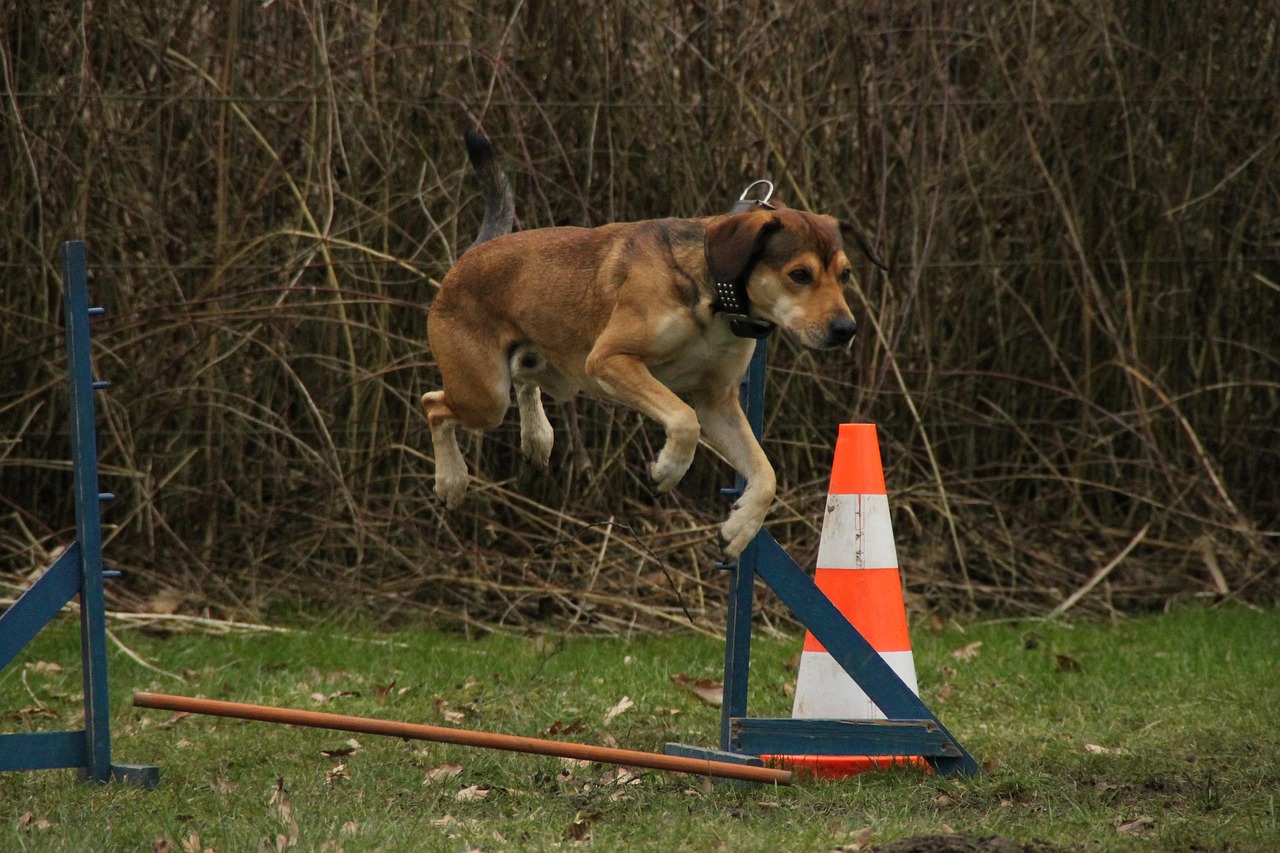

Balance and Stability Training for Working Dogs
Working dogs, such as service animals, police dogs, and search-and-rescue teams, require a diverse range of skills. Among these, balance and stability play crucial roles in their effectiveness. These exercises help to improve their coordination, proprioception, and strength, which are essentials in many working environments. Incorporating balance exercises into a dog’s training regimen can boost their overall physical health and performance. Owners and trainers must understand how to implement these exercises correctly. By engaging in activities such as walking on unstable surfaces or using balance boards, dogs strengthen their core muscles. Additionally, these activities enhance their body awareness, which minimizes injury risk. Dogs that have a strong sense of body position can navigate challenging terrains and execute commands promptly. Thus, not only does balance training refine athletic abilities, but it also builds confidence and discipline in the dog. Incorporating fun and varied exercises keeps dogs motivated and eager to learn while enhancing their fitness levels. All these benefits contribute significantly to their roles as working dogs in various industries and settings. This article discusses methods and tips for effectively incorporating balance exercises.
The foundation of balance and stability training lies in understanding your dog’s unique abilities. Each dog has different needs based on their breed, age, and current fitness levels. Consequently, it’s essential to tailor exercises to suit your dog. For example, puppies may benefit from gentle activities that promote muscle development without strain. In contrast, older dogs might require simpler, less strenuous exercises to maintain their fitness. This personalized approach not only enhances training effectiveness but also prevents injury. Incorporating diverse surfaces, like grass, sand, or an agility mat, can challenge your dog’s balance while making activities fun. Introducing props such as balance discs or wobble boards adds variety and excitement to sessions. Maintaining a cheerful atmosphere encourages dogs to engage and enjoy the process. Additionally, early socialization during balance exercises helps reduce anxiety, allowing dogs to learn at their pace. Always prioritize safety and comfort during training by monitoring your dog’s energy levels and providing breaks as needed. Building a strong foundation of trust through balanced exercises fosters a deeper bond between the dog and trainer, enhancing overall effectiveness in their working roles.
Types of Balance Exercises
There are various types of balance exercises suitable for working dogs, each with distinct benefits. One method includes using balance boards, which challenge dogs to stabilize themselves while shifting their weight. Such exercises improve muscle tone and core strength. Another effective exercise involves walking your dog over uneven ground, such as gravel or logs. This engages their muscles differently and stimulates their brain to adapt to changing terrain. Additionally, introducing exercises that require turns and shifts in direction can improve coordination. An essential exercise is the use of ‘cavaletti’ — a series of low hurdles that dogs must step over, promoting limb awareness and control. These exercises work on both physical and cognitive aspects, enhancing agility and responsiveness. Another component is freestyle training, allowing dogs to attempt specific maneuvers at their pace. Always reward your dog for efforts through verbal praise or treats. Adapting these exercises to your working dog’s skill level ensures continuous growth. Through consistent practice of these diverse activities, dogs become more adept in their roles, showcasing improved balance, coordination, and overall health.
Incorporating balance exercises requires patience and positive reinforcement to ensure effective training. Establishing a routine aids in creating consistency, with frequent short sessions proving more beneficial than long, tiring ones. Gradually increasing the difficulty level will also stimulate your dog’s interest and engagement. Respect your dog’s limits, as pushing them too hard may lead to frustration or injury. Observational training—paying attention to your dog’s body language—can help identify when they feel overwhelmed or are encountering difficulty. Adjust the pace as necessary, making sure to maintain a positive atmosphere. Using target or clicker training methods can encourage desirable behaviors while creating a joyous learning experience. It’s important to have clear goals for each session, creating achievements that can be measured in terms of improvement. Incorporate breaks to allow your dog to relax and process new skills effectively. Lastly, remember to celebrate even small successes, reinforcing their accomplishments and encouraging continued effort. With this structured approach, balance training can become a rewarding and enjoyable process not only for your dog but also for the trainer, leading to enhanced performance in working tasks.
Benefits of Balance Training
The benefits of balance and stability training for working dogs extend far beyond physical fitness. Firstly, these exercises significantly reduce the likelihood of injuries during work, as dogs become adept at adjusting their movements for safe navigation. Strengthening core muscles improves overall bodily control, enabling dogs to perform a variety of commands with greater ease. Enhanced coordination and agility play a vital role in ensuring that working dogs can react swiftly to changing situations in their environments. Moreover, these training sessions can foster mental engagement; they challenge dogs to think critically while performing tasks, resulting in better problem-solving abilities. This mental stimulation is beneficial for working dogs who require sharp focus during operations. Continued practice of balance exercises also helps indifferent dogs build confidence, bolstering their self-esteem through successful task completion. As dogs progress and master new exercises, they develop a sense of accomplishment. This translates into better performance in their work roles, leading to greater success and satisfaction for the dog and the handler alike. Ultimately, the cumulative effects of balance training promote healthier lifestyles, as well-rounded dogs showcase vitality and resilience.
Maintaining motivation during balance training can be crucial for success. Incorporating a variety of exercises plays a significant role in preventing monotony and keeping dogs engaged. Finding enjoyable ways to mix different activities—such as including agility tools, toys, or interactive puzzles—enhances their motivation while building skills. Regularly changing the environment where training occurs can evoke a sense of novelty, making each session exciting. Having well-defined goals for each session encourages dogs to remain focused and driven. Incorporating playtime as a reward after completing exercises can also significantly heighten their engagement, turning training into a fun experience. Staying consistent with a reward system helps reinforce positive behaviors, encouraging dogs to approach training with enthusiasm. Additionally, being upbeat and encouraging during sessions fosters a positive atmosphere, reinforcing the bond between the dog and their handler. Using intervals for both play and balance exercises can give dogs something to anticipate, promoting eagerness to participate. Keeping these elements in mind fosters a strong sense of dedication and passion in training, ultimately leading to outstanding results in their working competencies.
Conclusion
In summary, incorporating balance exercises into the routine of working dogs can yield numerous benefits, including enhanced coordination, strength, and overall fitness. The physical and mental stimulation derived from these activities equips dogs to excel in various working environments, making them more effective in performing their duties. Personalized training tailored to each dog fosters development while maintaining their interest and motivation. By addressing individual weaknesses and creating enjoyable experiences, trainers and handlers can develop trust and deepen their connection with these remarkable animals. The resulting confidence in their abilities enhances their performance significantly. Importantly, persistence and consistency in training sessions pave the way for success; competence becomes achievable as obstacles are overcome. As trainers embrace diverse approaches, dogs gain not only physical attributes but demonstrate increased cognitive agility, servitude aptitude, and general robustness. Ultimately, investing time into balance and stability training is an investment in better-equipped dogs for the future. Working dogs that undergo this kind of training are not only healthier but also enjoy a more fulfilling and successful career. Be sure to continue exploring methods that work for you and your dog.
While balance exercises are crucial, maintaining a consistent schedule and approach toward training is equally vital. Breaking down larger goals into achievable daily or weekly objectives can make the overall training process less daunting for both the trainer and dog. Structuring sessions to maximize both learning and fun can promote enthusiasm during workouts. Building a routine where dogs can rely on their trainers fosters comfort and a positive environment, stimulating progression. Ensuring sessions align with the dogs’ natural tendencies promotes better engagement. Training should respect both individual dog characteristics and the pacing necessary for effective comprehension. Progress should be evaluated regularly, adjusting exercises to align with improved skills. Monitoring and documenting their development not only provide insights but also foster accountability within the training program. Collaborating with other trainers or joining training groups can foster knowledge-sharing, leading to improvements in techniques and approaches. As balance exercises become a regular part of a working dog’s regimen, they acquire significantly improved capabilities. Focusing on consistent training leads to healthier, happier dogs that excel in their roles as reliable working companions.