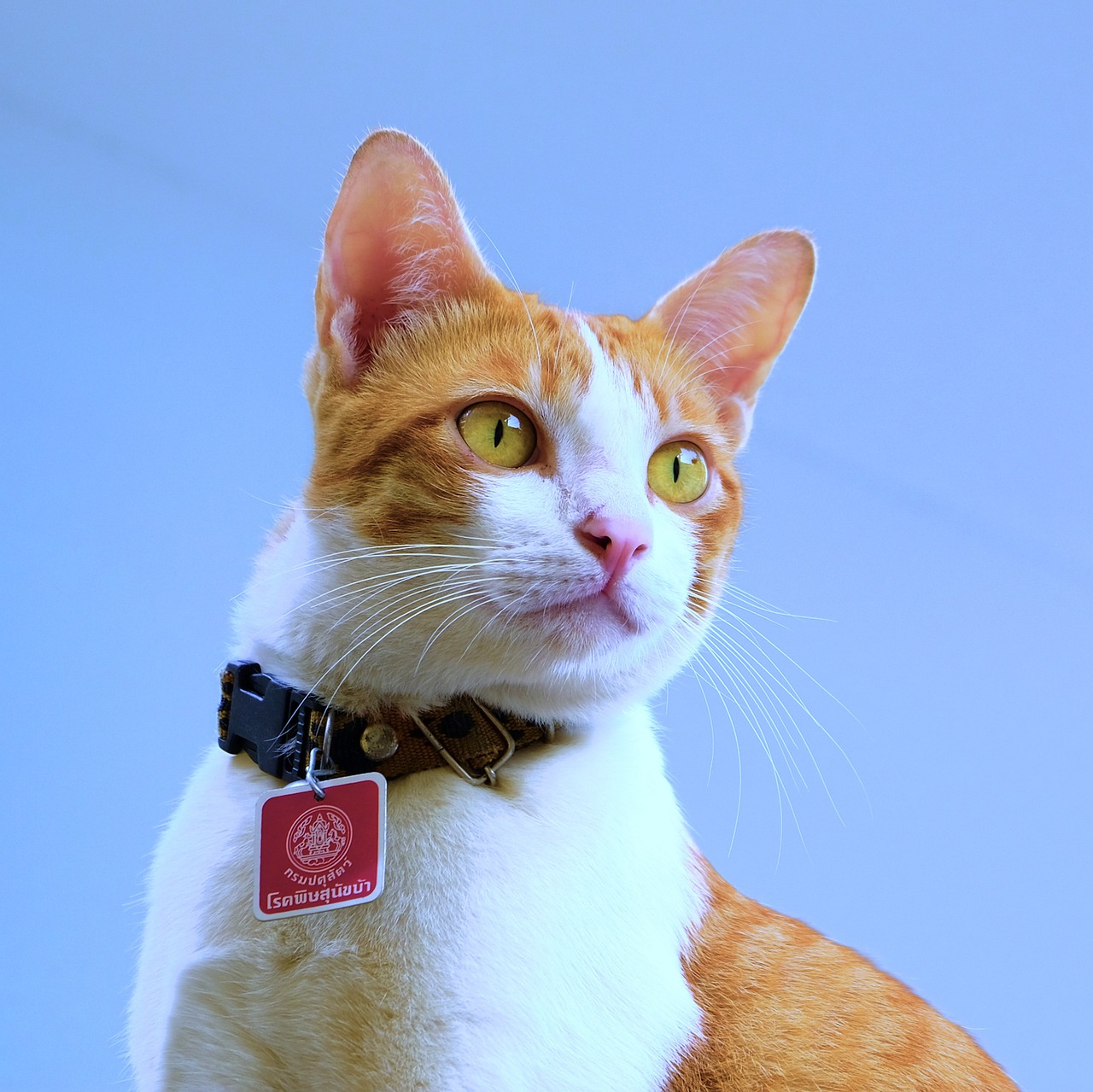

How to Train Your Cat with an Electronic Training Collar
Training your cat can be a challenging but rewarding experience. One of the most effective tools at your disposal is the electronic training collar, which can assist in correcting unwanted behaviors. Understanding how to use this device properly is crucial for achieving positive results without causing distress to your feline friend. Key considerations include ensuring your cat is comfortable wearing the collar and the importance of starting with the lowest settings to gauge their response. Additionally, select a collar designed specifically for cats, as size and comfort are paramount. Familiarize yourself with various stimulation types can help you choose a collar with appropriate settings. Establish a consistent training routine that incorporates rewards and recognition for good behavior, helping your cat associate the collar’s use with a positive experience. Always train in a safe environment, free of distractions, where your cat feels secure. Gradually introduce commands and use the collar only when necessary to reinforce them. Building trust and understanding with your cat will promote a more effective training experience using an electronic collar. Always prioritize your cat’s comfort over strict obedience.
The Benefits of Electronic Training Collars
Electronic training collars offer unique advantages compared to traditional training methods. First and foremost, they provide an effective means of communication, allowing you to reinforce commands and deter unwanted behavior even from a distance. This is especially beneficial for cats who may be more independent or less responsive to verbal commands than dogs. Another significant benefit is the variety of stimulation available, which includes tone, vibration, and static corrections. This versatility enables you to customize reinforcement according to your cat’s needs and sensitivities. Moreover, electronic collars can be particularly useful for outdoor training, ensuring that your cat understands the boundaries you’ve set while exploring their environment. By utilizing an electronic collar, you can enhance the training experience and create consistency in your cat’s behavioral expectations. If your cat exhibits problems with excessive meowing, scratching, or climbing on furniture, an electronic collar can help curb these behaviors through effective training techniques. It’s important to remember that when used responsibly, these collars can lead to a more harmonious relationship between you and your pet, fostering better communication through positive reinforcement.
When selecting an electronic training collar for your cat, keep the following factors in mind. First, ensure that the collar is appropriately sized and designed for cats, as comfort is essential for effective training. Look for collars that have adjustable settings, allowing you to customize the level of stimulation based on your cat’s temperament and reactiveness. Various products are equipped with features like a rechargeable battery or waterproof capabilities, which can be very beneficial for active cats. Research different brands and user reviews to identify options that best suit both your needs and your cat’s specific training requirements. Consider collars with built-in safety features such as automatic shut-off, which prevents overstimulation if your cat does not respond as expected. Additionally, ensure that the collar allows for easy attachment of a leash, should the need arise for more hands-on training. Prices can vary widely, so decide on a budget while also considering the collar’s durability and effectiveness. Investing in a high-quality collar allows for a more successful training experience, which will ultimately result in improved behavior and a happier home.
Proper Usage of Electronic Training Collars
Understanding how to use an electronic training collar effectively is key in achieving successful training outcomes. Begin by acclimating your cat to the collar by letting them wear it without using any stimulation. Allow them to associate the collar with positive experiences such as playtime or treats. Once they are comfortable, gradually introduce commands associated with the communication signals from the collar. It’s essential to ensure that the stimulation is not perceived as punishment but as a reminder to follow given commands. Always observe your cat’s reactions to the different settings available on the collar; this feedback is critical in determining the level of stimulation that is appropriate. Maintain a calm demeanor during training sessions, reinforcing positive behavior with praise or treats immediately after they comply with commands. Consistency is vital—train at the same time each day and use the same commands. Remember to never leave the collar on for extended periods, as this can cause discomfort. Regularly check your cat’s neck for irritation or signs of distress. Adjust your techniques based on your cat’s responses to ensure their well-being.
Positive reinforcement should always accompany the use of electronic training collars to enhance the effectiveness of your training. This means rewarding your cat with treats, affection, or playtime when they respond correctly to commands or behave appropriately. This will create a positive association with the collar and the training process itself. Each training session should be short and engaging, ideally lasting no more than 15 minutes to maintain your cat’s attention and interest. End each session on a high note, always leaving your cat with a sense of achievement. Additionally, balance the use of the training collar with conventional training methods, ensuring your cat receives a comprehensive training experience. Observe any behavioral changes in your cat as you continue training; understanding these dynamics helps you make the necessary adjustments to your approach. Maintaining clear communication with your feline friend will add value to their training. Don’t hesitate to consult a professional trainer if you’re unsure about the best training methods for your specific situation. Your ultimate goal is to create a well-adjusted, happy cat that understands your boundaries.
Troubleshooting Common Issues
Using an electronic training collar can come with challenges. If you notice that your cat is not responding to the collar’s stimulation, double-check the settings to ensure they are appropriate for your cat’s size and temperament. Some cats may require different stimulation levels to effectively respond to commands. It’s crucial to remember that each cat is unique, and some may take longer to adjust to this form of training. If your cat appears distressed or anxious, consider reducing the intensity or taking a break from collar training. Additionally, ensure that your training sessions are conducted in a calm, distraction-free environment to help your cat focus on learning. Consistency in both the training methods and timing of sessions will also yield more positive results. If behavioral issues persist even after consistent training, it may be worth exploring other methods or consulting with a veterinary practitioner to rule out any underlying health concerns that may affect your cat’s behavior. Patience and understanding are vital—each effort you make contributes to improving your relationship with your cat.
Finally, remember that the goal of using an electronic training collar is to enhance communication and strengthen the bond between you and your cat. Make it a point to regularly assess the effectiveness of your training methods and be open to modifying them as needed. Every cat has its training style, so take time to discover what works best for your own furry companion. As you navigate this training journey, engage with various resources including books, online forums, and videos to learn new strategies that can improve your training approach. Look for local cat training classes that can offer guidance and support from experienced trainers. Additionally, regular socialization is important; allowing your cat to interact with other pets or people can mitigate behavioral issues. Engaging them in stimulating activities will also keep them mentally sharp and content. Finally, don’t forget to celebrate your progress and reward your cat for achievements, small or large. These combined efforts will lead to a healthy, happy, and well-adjusted feline companion.
In conclusion, electronic training collars can serve as valuable tools in the training process when used responsibly. They provide a means of reinforcing positive behavior while correcting unwanted actions without resorting to harsh punishment. By keeping your cat’s comfort, safety, and well-being at the forefront of your training approach, you can achieve effective results and foster a loving relationship. These collars work best when integrated into a wider training regimen that prioritizes positive reinforcement and understanding between you and your pet. Remember to continually observe your cat’s responses, and be patient, as training requires time and persistence. With the right tools, techniques, and approaches, you can navigate the training process successfully. Ultimately, your goal is to create a respectful and trusting bond with your cat, making your household a more harmonious place for both of you. Take each step with care, and your feline friend will soon show improvement in behavior and responses. Thank you for considering this guide to training your cat with an electronic collar, and best of luck on your training journey!