
Benefits of Using a Harness Over a Collar for Dogs
When choosing the best way to walk your dog, many pet owners contemplate whether to use a harness or a collar. A harness typically offers enhanced control and safety, especially for strong or excitable dogs. By distributing pressure across the dog’s body rather than focusing on the neck, harnesses can significantly reduce the risk of injury. This is particularly crucial for dogs prone to respiratory issues or those part of breeds with more delicate airways. Moreover, harnesses prevent the slipping that sometimes occurs with collars, which can be distressing for both the dog and the owner. Additionally, many harnesses come equipped with features like reflective stitching for safety during night walks. Some offer padded straps for increased comfort, which is especially important for longer excursions. With the right harness, you can also attach your leash at the front, encouraging better leash manners and reducing pulling. Harnesses can be particularly beneficial when training puppies and managing their stages of growth. Overall, making the switch to a harness provides several advantages for both you and your furry friend.
Improved Control and Safety
One of the most significant advantages of using a harness is the improved control it provides during walks. This is particularly noticeable for larger, stronger dogs that may pull excessively while on a leash. By attaching the leash to a harness, you can guide and manage your dog’s movements more effectively. This control is crucial in busy environments, allowing you to navigate through crowds without risking your dog’s safety. Additionally, harnesses are beneficial for dogs that struggle with anxiety or fear. The snug fit of a harness can provide a sense of security, leading to calmer behavior on walks. While collars can sometimes lead to choking or injury if your dog pulls hard, a harness mitigates those risks. With regards to safety, using a harness also reduces the likelihood of the dog slipping out, which is particularly relevant for escape artists. In case of sudden instances, a harness allows for swift retrieval, keeping your dog safe from potential dangers. Moreover, for dogs who are still learning leash manners, a harness can serve as a valuable training tool in shaping positive walking behaviors.
Comfort is another essential factor when deciding between a harness or collar for your dog. Most harnesses are designed with padded straps and adjustable fittings, ensuring that the device is snug yet comfortable for dogs of all shapes and sizes. This is especially important for long walks or hikes, as a soft harness can significantly reduce chafing or discomfort during extended activities. In contrast, collars may cause pulling or strain around a dog’s neck, potentially leading to long-term health issues such as tracheal collapse in small breeds. Many owners find that their dogs are happier and more willing to walk when equipped with a harness, as it allows them greater freedom of movement while still maintaining control. Furthermore, some harnesses feature breathable materials for hot days, ensuring that dogs remain comfortable while outside. This attention to comfort makes harnesses particularly appealing for specific breed characteristics and individual needs. Investing in a quality harness can significantly enhance the overall walking experience for both the owner and the dog. When your dog is comfortable, walks can become enjoyable adventures rather than chore-like tasks.
Training Benefits
Utilizing a harness for dog training aligns with various positive outcomes when employing effective techniques. For instance, a front-clip harness can deter pulling by redirecting your dog’s movements back towards you. This approach is especially efficient for energetic pups and helps alleviate the possibility of negative reinforcement. As a dog transitions into adulthood, harnesses can support loose-leash training, resulting in a more pleasant experience for both pet and owner. Moreover, engaging in leash training offers mental stimulation which contributes to better behavior overall. Another key benefit is that harnesses allow for better management of dogs that may react aggressively or fearfully towards other animals. By providing support and control, you can better navigate challenging encounters, leading to a positive experience for all involved. By implementing harness-focused techniques, you will notice significant improvements in your dog’s behavior over time. Consistency is vital, ensuring that each walk reaffirms these training principles. Your investment in training will reflect positively in your dog’s demeanor, turning walks into enjoyable outings rather than battles of wills. Thus, proper use of harnesses can directly improve training outcomes.
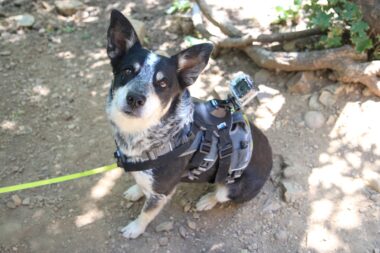
Another essential benefit of using a harness over a collar involves its versatility in various situations. While collars are typically associated with basic leash walks, harnesses can offer tailored solutions for specific activities such as running, hiking, or swimming. Many harnesses designed for these purposes include specialized features such as reflective materials, extra padding, or even storage compartments. The adaptability of harnesses allows them to cater to different lifestyles, providing safety and comfort regardless of whether you’re hitting the trails or walking around the neighborhood. For example, hiking with your dog could involve rugged terrain, where a harness can better support your dog while navigating uneven surfaces. When swimming, harnesses equipped with flotation materials ensure your dog’s safety in the water. Furthermore, the variety of harness styles available allows you to find one that fits your dog’s unique needs and preferences, creating a more enjoyable experience for both you and your dog. Ultimately, this versatility in harness designs means there is a reliable option for every activity, elevating the quality of your outings with your furry companion.
Health Benefits
Transitioning to a harness can also provide numerous health benefits for your dog over time. The distribution of pressure alleviates strain on the neck and throat, reducing the likelihood of neck injuries, respiratory problems, and even eye issues from excessive pressure on the jugular vein. Harnesses also allow for more freedom in body movement, potentially improving posture and overall mobility for active dogs. Furthermore, some harnesses come with additional features like adjustable straps which ensure a proper fit, promoting a healthier experience while walking. As dogs age, mobility can become a concern; thus, selecting a well-fitted, supportive harness becomes even more important in maintaining a healthy lifestyle and activity level. By using a harness, you’re more likely to encourage outdoor activities, leading to both physical and mental stimulation. This is essential for combatting common health issues such as obesity or lethargy. Regular exercise facilitated by a harness-driven approach can enhance your dog’s vitality and decrease the likelihood of various health complications. Thus, investing in a harness not only supports a dog’s active lifestyle but significantly contributes to their long-term well-being.
Finally, the use of a harness can foster a deeper connection between pet owners and their dogs. The ability to manage your dog effectively during walks and the sense of security provided by a harness can lead to a more enjoyable outing for both parties. When dogs feel secure, their behavior improves, allowing for a more relaxed environment in which both pet and owner can interact positively. These outings provide an opportunity for bonding while exploring new places, socializing with other dogs, and partaking in training sessions together. A well-fitted harness aids in preventing negative experiences that could arise from anxiety or fear during walks. Moreover, this positive reinforcement aids in shaping your dog’s behavior, promoting trust and lessening apprehension. As dogs develop confidence, they become more responsive during training sessions and on walks. This deepened trust fosters a more fulfilling relationship, as your dog learns to rely on you as their guide and protector. Ultimately, investing in a quality harness goes beyond mere functionality; it reinforces the bond between you and your dog, enriching the overall experience of pet ownership.