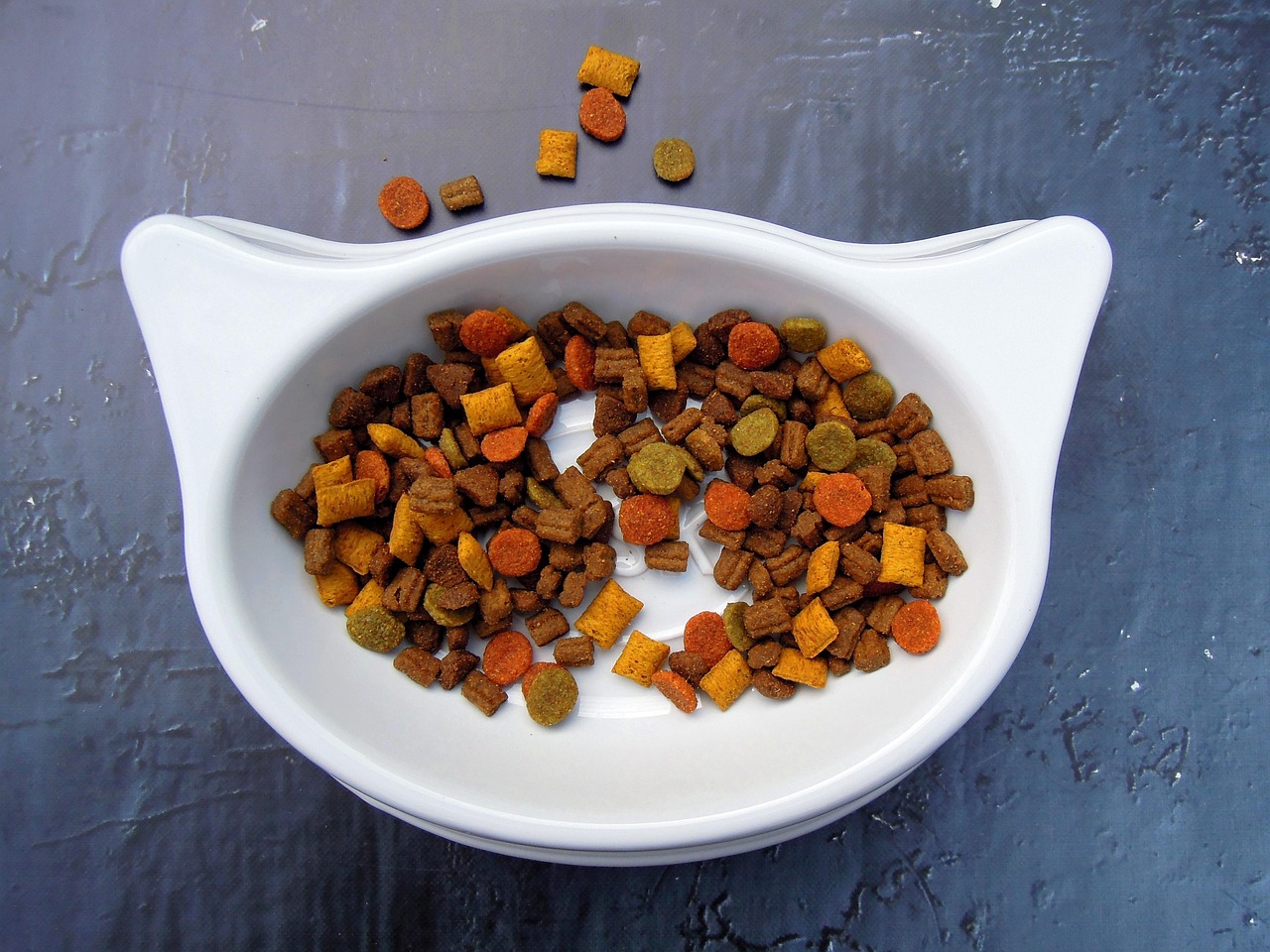

How to Choose the Right Food Bowl for Your Cat’s Health
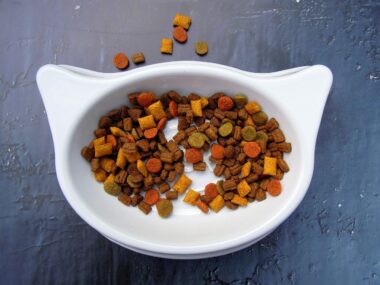
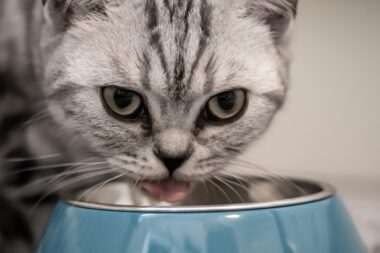
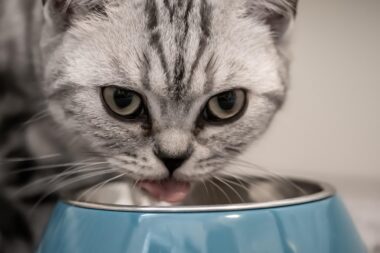
Choosing the right food bowl for your cat is a crucial decision that can significantly impact their overall health and well-being. Factors such as material, size, and shape all play a vital role in ensuring your feline friend enjoys their meals comfortably. Cat bowls are available in various materials, including plastic, ceramic, and stainless steel. Each material has its pros and cons. For instance, plastic bowls are lightweight and easy to clean, but they may harbor bacteria over time. Ceramic and stainless steel options are more durable and less likely to create odors. When selecting a bowl size, consider your cat’s breed and eating habits. A wide, shallow bowl is often ideal for cats, as it reduces whisker fatigue, a condition that occurs when their sensitive whiskers touch the sides of a deeper bowl repeatedly. Additionally, ensure that the bowl is stable and won’t easily tip over during mealtime. A non-slip base can prevent accidental spills. Ultimately, the right food bowl contributes significantly to your cat’s feeding experience and overall health.
Another important aspect to consider is the bowl depth. Cats generally prefer shallow bowls that prevent whisker fatigue. A deep bowl can lead to discomfort, affecting how your cat eats. It is essential to ensure your cat’s food and water remain accessible, that their whiskers aren’t irritated, and that they can enjoy eating in a comfortable manner. Furthermore, the location of the food bowl is just as vital as the bowl itself. Placing the food in a quiet, low-traffic area can help reduce stress for your cat during meal times.
Research shows that many cats are sensitive creatures who thrive in calm environments. Distractions from noise, children, or other pets can inhibit their ability to eat properly. Also, consider using separate bowls for food and water. This separation helps maintain cleanliness and allows your cat to hydrate adequately. They often prefer having their water source nearby but distinct from their food. You should also consider the type of food you provide. Wet food typically requires a different bowl than dry kibble, as it can be messier. Ensure the bowls you choose are easy to clean after meals.
Material Matters
The material of the food bowl also greatly influences your cat’s health. Plastic bowls can scratch and hold bacteria, which might inadvertently cause health issues. Opt for high-quality ceramic or stainless steel if hygiene is a priority. Ceramic bowls, in particular, can add aesthetic value without compromising the health of your feline companion. Avoid any bowls that may leach harmful chemicals into food. Always look for food-safe options when selecting bowls, as this precaution minimizes potential health risks associated with lesser quality materials.
Furthermore, when choosing a feeding tool, look for features like elevated designs. Elevating the food bowl can benefit older cats or those with joint issues, making meals easier and more comfortable. Some products even offer adjustable heights to accommodate different breeds and ages. While style is important, prioritizing practicality and safety is essential in maintaining your cat’s health. Non-slip designs can prevent messes and keep feeding times smooth and efficient. A careful selection can transform mealtime into an enjoyable ritual.
Longevity is crucial; invest in durable products that withstand daily use. After all, your cat will rely on their feeding tools for years. Avoid cheap, flimsy options that may break down quickly due to constant wear. Instead, focus on high-quality, long-lasting solutions that meet your cat’s specific needs. When combining durability with proper ergonomics, you enhance your pet’s dining experience. By putting effort into these choices, you’ll help improve their quality of life. Regular maintenance and cleaning also play a role in preserving your chosen items for optimal use.
Maintenance and Hygiene
Keeping your cat’s food and water bowls clean is essential for their well-being. Regular washing prevents the buildup of bacteria, which can lead to infections and illnesses. Ideally, you should wash these bowls daily, ensuring that they are free from scraps and residues, particularly after serving wet food. Utilize warm, soapy water or a dishwasher if the bowls are dishwasher-safe. Regular cleaning not only ensures hygiene but also retains the bowls’ appearance and functionality.
Finally, observe how your cat interacts with their food bowls. Some may prefer to eat or drink separately, while others might want them close together. Each cat is unique, and understanding your pet’s preferences reinforces their comfort at meal times. Pay attention to their behavior and make adjustments as necessary. By fulfilling their needs and preferences through the right food bowls and feeding tools, you are contributing positively to their overall health and happiness.