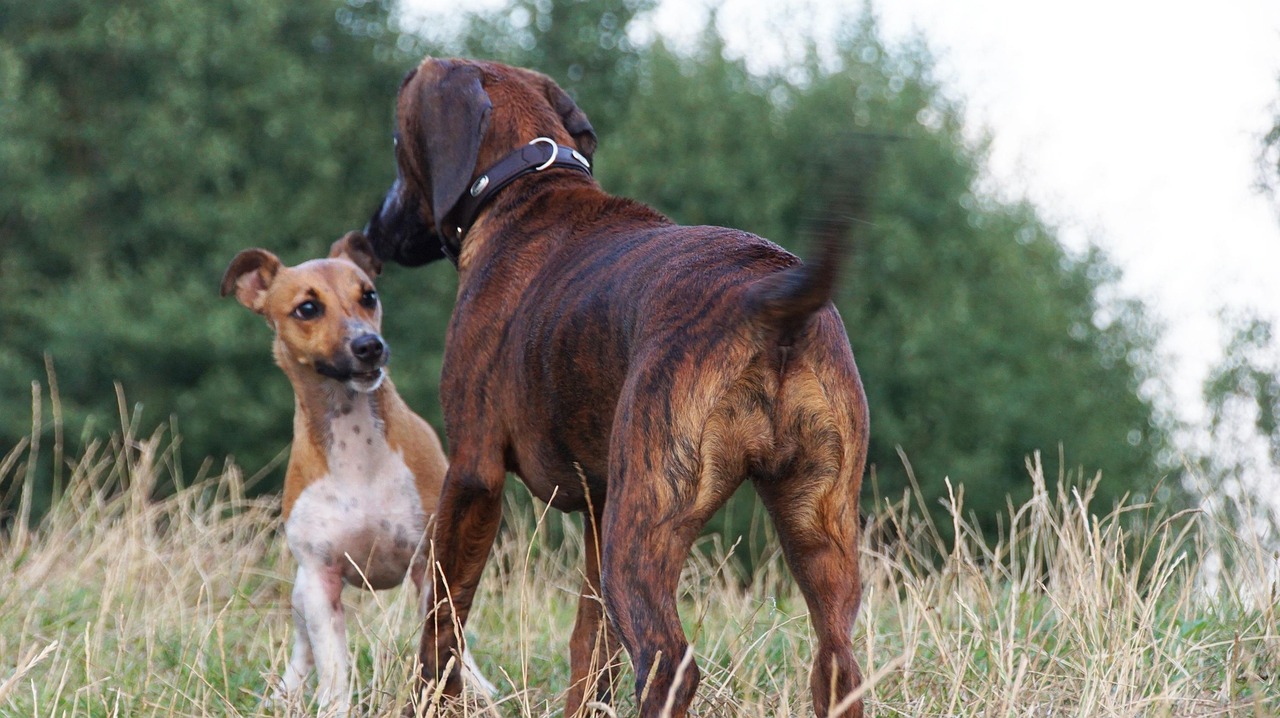

How to Manage Fearful Dogs in Social Settings
Managing fearful dogs in social settings requires a thoughtful approach to ensure both the dog and those around them feel safe. Understanding canine body language is essential; look for signs of stress such as tucked tails, pinned ears, and avoidance behaviors. These signals can help you identify when your dog is uncomfortable. Recognizing these signs early allows you to intervene properly before anxiety escalates. Implement gradual exposure techniques to help your dog acclimate to social situations. Start with less intense environments and slowly increase their exposure to larger groups of people or dogs. Always allow your dog to dictate the distance they feel comfortable maintaining during these interactions. Positive reinforcement training can be incredibly effective for fearful dogs. Encourage desired behaviors like approaching new friends with treats and praise, creating positive associations with social experiences. Socialization classes led by a skilled trainer can be beneficial, providing professional guidance while facilitating safe interactions with other dogs. Above all, patience is key. Socialization is a gradual process, and each dog will progress at their own pace. Celebrate small successes to help build your dog’s confidence and reduce their anxiety.
Another strategy involves creating a safe space for your fearful dog. This space should be a familiar area where the dog can retreat when feeling overwhelmed. Consider using a crate, a dedicated room, or a cozy corner where they can relax undisturbed. Make this space inviting with blankets, toys, and comforting scents to reinforce feelings of safety. Gradually introducing your dog to various social situations can help desensitize them to their fears. Start with controlled introductions to other people or dogs; invite a calm dog and a trustworthy friend to help ease the transition. Monitor your dog’s body language, and always prioritize their comfort. If they show signs of stress, take a step back, allowing them to adjust without pressure. Consistent routines also play a crucial role in managing fearful dogs. A structured day-to-day schedule helps create predictability, which can alleviate anxiety. Regular walks, play sessions, and meal times can make your dog feel more secure in their environment. Employing calming techniques, such as gentle massage or the use of calming products, can also be beneficial. Identifying what specifically triggers your dog’s fears is essential to managing them effectively.
Choosing Appropriate Outings for Socialization
When considering social outings, ensure that the environments you select are suitable for your dog’s temperament and anxiety levels. Introducing them gradually to public spaces like parks, dog-friendly cafes, or pet stores can help them acclimatize without becoming overwhelmed. Choose times and locations that are less crowded initially to ease the stress on your dog. This approach allows for positive experiences before exposing them to more chaotic situations. Remain vigilant for any signs of anxiety during outings. If your dog appears stressed, create some distance from the source of anxiety, using treats or their favorite toy to distract them. You can also establish a calm cue, which signals to your dog to remain composed in social settings. Consistent use of this cue reinforces a sense of security, helping your dog know they can rely on you for guidance. Engage in playdates with well-mannered dogs or join structured group classes that focus on positive reinforcement. These controlled settings can foster valuable socialization while helping your dog learn to feel secure around others, bridging the gap between discomfort and confidence over time.
Another key aspect of managing fearful dogs lies in the importance of owner’s calmness. Dogs are incredibly perceptive; they can feel their owner’s anxiety or stress levels. Displaying a calm demeanor can instil confidence in your dog during stressful encounters. Practice relaxation techniques such as deep breathing before socializing your dog. Being a calm presence reassures the dog that they are safe. Additionally, incorporate regular training sessions to reinforce good behavior. Consider implementing basic commands like “sit,” “stay,” and “leave it” to keep your dog focused and engaged in social settings. These cues equip you with control when distractions arise, allowing you to redirect your dog’s focus to something positive. An important component is to avoid forcing interactions with people or dogs. Let your dog engage at their own pace, allowing them to approach when ready. This empowerment can significantly reduce fear. Always ensure positive introductions by allowing your dog to meet others in a relaxed manner, encouraging sniffing and gentle engagement. Advancing too swiftly can overwhelm them, potentially leading to negative experiences that reinforce their fear.
Using Professional Help When Needed
If your dog exhibits severe fear or anxiety that doesn’t improve with basic strategies, seeking professional assistance may be necessary. Canine behaviorists or trainers specializing in fearful dogs can offer tailored treatment plans. They can observe your dog’s behavior patterns and provide targeted training techniques that promote confidence-building. Group classes, run by qualified trainers, often provide a supportive environment of fellow dog owners and their pets. Additionally, your veterinarian can recommend or prescribe anxiety medications to alleviate symptoms if necessary. It is essential to use medication as part of a broader rehabilitation plan that includes behavior modification. Educate yourself about your dog’s breed-specific traits, as certain breeds may exhibit more fear. Understanding genetics can help you implement more effective strategies based on their predispositions. Remaining steady with your approach is crucial, and setting realistic goals ensures progress. Small milestones are celebrated to reinforce ongoing efforts. Stay engaged with ongoing education on canine behavior, as this knowledge equips you to better advocate for your dog’s needs in varied situations. Ultimately, support and understanding from both the owner and professionals play a vital role in fostering social confidence.
Consistent practice at home can reinforce socialization skills for fearful dogs. Implementing training exercises in a familiar environment allows them to gain confidence before venturing outdoors. Short training sessions that incorporate exposure to novel stimuli help build resilience. Gradually introducing new sounds, objects, and movements can enhance their adaptability to various settings. Creating a routine helps your dog anticipate training times, reinforcing their comfort in actively participating. Utilize tools like clickers for positive reinforcement so that your dog associates training with rewards. Providing structured outlets for energy, including puzzle toys or interactive games, can also reduce anxiety during social settings by tiring them out. As your dog grows more confident, challenge them by gradually exposing them to busier environments with supervision. Remain supportive throughout this process, reassuring them with your presence, voice, and demeanor. Maintaining patience is crucial, as some days will be more challenging than others. Be prepared to adapt your approach based on your dog’s evolving needs. Remember to consistently give praise and rewards for small victories, no matter how minor they seem. A confident dog is more likely to thrive in social situations, illustrating the success of your training efforts.
Conclusion: Building Long-Lasting Confidence
In conclusion, managing fearful dogs in social settings necessitates a multifaceted approach. It involves understanding your dog’s emotions and adapting strategies to meet their needs, while also employing positive reinforcement techniques. Gradual exposure, focused training, and providing comfort are essential to their growth as socially confident companions. Empowering your dogs through a steady routine and safe spaces further promotes positive experiences. This strategy encourages a harmonious relationship, minimizing anxiety during social outings. Always remain patient and observant throughout the journey, as every small progress counts towards overall improvement. Encouragement, understanding, and support are fundamental pillars to building a strong foundation. Seeking help from professionals when necessary also plays a vital role in ensuring your success. Remember, socialization is a continual process requiring effort and understanding. As your dog learns to cope with new experiences, they will forge stronger bonds with both you and their wider community. A well-socialized dog enhances their quality of life, making outings more enjoyable for everyone involved. Embrace the journey, and celebrate the triumphs along the way as you work towards fostering a more confident and social canine companion.