
Leveraging AI to Customize Cat Sports Training Programs
Artificial Intelligence (AI) is revolutionizing various fields, and cat sports training is no exception. It’s essential to harness this technology to improve the training process. By incorporating AI, trainers can gather vast amounts of data on each cat’s performance, understanding their strengths and weaknesses. This data-driven approach allows trainers to devise customized training programs tailored specifically to each individual cat’s needs. For instance, an AI system can analyze how a cat reacts during different training activities, identifying areas for improvement while also highlighting their natural abilities. Through continuous monitoring, trainers can adjust training regimens dynamically, ensuring that no two programs are the same. The challenge, however, lies in implementing these AI systems effectively. Trainers must ensure that they have access to the necessary tools and knowledge to use such technology effectively. Moreover, ethical considerations regarding data privacy and animal welfare must guide the incorporation of AI into training programs. With the right framework, the combination of AI and cat sports can lead to groundbreaking advancements in training techniques, ultimately enhancing performance and maximizing potential.
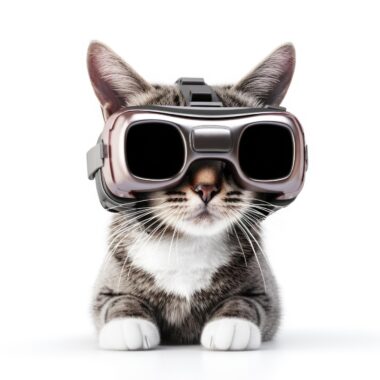
Another important aspect of AI in cat sports training is its ability to predict outcomes based on historical data. AI algorithms can analyze past performances to identify patterns and trends, which can provide valuable insights for trainers. These insights allow trainers to anticipate how a cat might perform in various scenarios, which can be invaluable during competitions. For example, predicting a cat’s energy levels, potential reaction times, and even stress indicators can help trainers make informed decisions on how to approach each training session. Additionally, AI can implement gaming elements into training routines, making them more interactive and engaging for both the trainer and the cat. Incorporating fun challenges not only keeps the cat motivated but also promotes mental agility. Trainers can utilize virtual reality (VR) environments backed by AI to simulate real competition situations, allowing cats to gain experience in a controlled setting. This approach reduces performance anxiety and helps to prepare them for actual events. Overall, predictive analytics enhance the efficacy of training by ensuring that cats are well-prepared and confident, building trust between trainers and their feline athletes.
Enhancing Behavior Analysis with AI
Behavioral analysis is a fundamental aspect of cat sports training that can significantly benefit from AI technology. Traditional methods of behavioral assessment often rely on subjective observations, which can be inconsistent. In contrast, AI systems can monitor and analyze a cat’s behavior with high precision. By utilizing video analytics and machine learning techniques, trainers can gain insights into their athletes’ behavioral patterns in real-time. The use of AI tools, such as facial recognition and movement tracking, helps identify stress levels or fatigue in cats during training. Furthermore, understanding body language is crucial for effective communication between the trainer and the cat. AI can assist in recognizing specific signals that indicate when a cat is overwhelmed or disengaged. This real-time feedback allows trainers to adapt their methods instantly, enhancing the training experience. AI also enables the tracking of behavioral changes over time, allowing trainers to understand each cat’s unique development journey better. This comprehensive analysis fosters a nurturing training environment that respects the individual nature of each cat while facilitating optimal performance in competitive scenarios.
Incorporating technology into cat sports also extends to improving health monitoring through AI. Regular health assessments are vital for ensuring that cats remain competitive and injury-free. Traditional methods may lack the responsiveness of modern solutions offered by AI. Wearable technology embedded with AI capabilities can monitor vital signs, activity levels, and even detect early signs of injury or illness. This proactive approach to health monitoring allows trainers to intervene swiftly, thereby mitigating potential setbacks in training routines. AI’s analytics can signal when a cat’s performance drops or when they show signs of discomfort, prompting a reevaluation of their training program. Moreover, health data collected over time creates a comprehensive health profile for each cat, which can assist veterinarians in delivering targeted medical care. Keeping a cat physically fit is essential for performance, but mental well-being is equally crucial. AI can help keep track of stress levels and behavioral changes, providing a holistic view of a cat’s overall health. As a result, trainers can ensure that the cats in their care not only excel in sports but lead healthy, vibrant lives.
The Future of AI in Cat Sports Training
The future of AI in cat sports training is poised for incredible growth as technology continues to evolve. With the integration of AI becoming more accessible, even smaller training facilities can benefit from these advancements. The potential for creating virtual training environments is especially exciting. These environments can simulate various conditions or challenges that cats might face in competitions, providing them with invaluable practice opportunities. As machine learning algorithms improve, AI will offer increasingly sophisticated recommendations for training adjustments, ensuring optimal performance. The emergence of advanced robotics could add yet another layer to training methodologies, allowing for automated drills and exercises that cater to a cat’s specific needs. Ethical implications must remain at the forefront as AI technologies advance, ensuring that animals are treated with care, respect, and proper consideration for their welfare. A focus on collaborative technology designs that promote humane training practices will be critical. As a result, trainers, researchers, and technologists must work together to create standards and frameworks that align tech innovation with animal welfare, laying the groundwork for a future of meaningful advancements in cat sports training.
Community engagement will also play a crucial role in the future landscape of AI in cat sports training. With advances in social media and online platforms, trainers can share their experiences utilizing AI tools and technologies with a broader audience. This communal approach can lead to a wealth of knowledge exchange, where trainers can inspire one another and share findings on successful techniques or methodologies. Over time, user-generated data can serve to enhance AI algorithms, making them more effective at predicting outcomes and suggesting adjustments. Furthermore, collaboration between cat sports organizations and tech companies may provide valuable resources, enabling the development of cutting-edge training tools and design solutions that cater specifically to feline athletes. As communities around cat sports continue to grow and evolve, so will the need for educational initiatives that inform trainers about the benefits and limitations of integrating AI into their programs. Actively addressing these areas fosters a well-rounded appreciation for the intersection of technology and animal sports, ultimately leading to well-informed trainers who continuously find innovative ways to advance cat training.
Conclusion: Embracing Innovation in Cat Sports
Embracing AI in cat sports training embodies a commitment to innovation, excellence, and the enhancement of both animal and trainer well-being. As we delve deeper into how technology shapes our training methodologies, it becomes clear that the results can be profoundly beneficial. AI presents unique opportunities for personalized training, predictive performance analytics, and comprehensive behavior insights that can elevate the training experience significantly. Furthermore, health monitoring and virtual environments pave the way for integrated approaches, ensuring that cats are not only training effectively but also enjoying the process. The future holds promise, emphasizing collaboration, ethical considerations, and community engagement in embracing these transformative technologies. Through an ongoing dialogue among trainers, technologists, and animal welfare advocates, potential pitfalls can be addressed, leading to ethical and conscientious development. As technology alters the landscape of cat training, commitment to maintaining the human-animal bond remains essential. Ultimately, the goal of any training program should be to foster healthy, well-trained, and happy cats, leading to fulfilling sports experiences for both feline athletes and their human counterparts.
Through this collaborative effort in utilizing AI within cat sport training, we can achieve greater awareness and appreciation for this innovative intersection of technology and animal training. Continuous exploration, experimentation, and thoughtful dialogue will elevate our understanding of what we can achieve in the realm of cat sports. By doing so, we ensure that we harness technology in ways that are beneficial to both cats and trainers alike. In conclusion, leveraging AI not only enhances training methodologies but also strengthens the bond between trainers and their feline athletes. As we witness this evolution unfold, staying open to the possibilities will pave the way toward a more promising future in cat sports training, where technology and affection for felines converge harmoniously.