
Setting Up Your Kitten’s First Solid Food Feeding Schedule
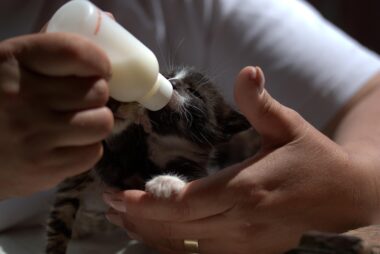
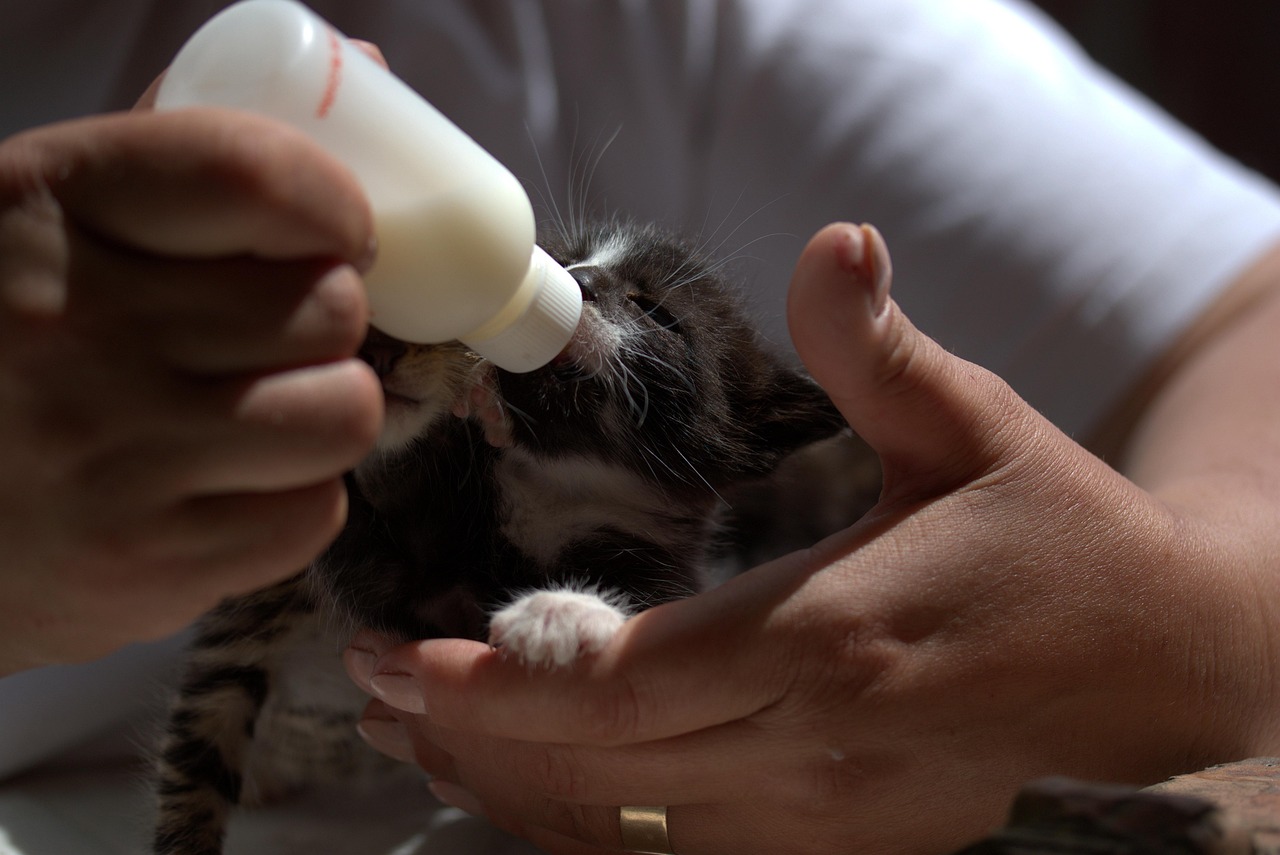
Establishing a feeding schedule for your new kitten is crucial for their growth and development. Kittens begin their lives nursing from their mothers, receiving essential nutrients for their well-being. Introducing solid food should be a gradual process, typically after they are about four weeks old. Start with high-quality kitten food that meets their nutritional needs and mimics their natural diet. During the initial transition, mix wet food with the dry kibble to encourage acceptance. Pay attention to their reactions and preferences while adjusting the consistency of the food in the subsequent days. It is essential to set a consistent feeding schedule, ideally feeding your kitten four times a day. Create a routine, incorporating feeding times around the same hours to develop a sense of predictability. As your kitten grows, you can gradually decrease feeding frequency to three meals a day by the time they are six months old. Monitoring their growth and condition is key, ensuring that your kitten is thriving on their new diet. Consult your veterinarian to determine the best food options suited to their unique needs and requirements.
Understanding your kitten’s dietary requirements is fundamental in creating their feeding schedule. Kittens require a diet that is rich in protein and fats, as they have higher energy needs compared to adult cats. It’s crucial to select a food formulated specifically for kittens, as it tends to contain the right balance of nutrients essential for their rapid growth. Look for commercial brands that include meat as the primary ingredient and avoid those with fillers. Additionally, pay attention to the packaging for feeding guidelines based on your kitten’s weight and estimate how much to provide at each meal. Offer food in measured portions rather than free-feeding, which can lead to obesity in the long term. It’s vital to observe your kitten’s weight and adjust their food portions according to their growth rate. Water also plays a significant role, so ensure your kitten has access to fresh water at all times. Providing wet food can help with hydration while also appealing to your kitten’s palate. Keep a close monitor on your kitten’s behaviors and overall health during the transition.
Choosing the Right Foods for Your Kitten
Selecting the right food for your kitten is an important decision, as it directly affects their health and energy levels. Opt for foods approved by reputable organizations, such as the Association of American Feed Control Officials (AAFCO). This ensures that the food meets specific nutrient profiles essential for kittens. In addition to protein as the primary ingredient, make sure it contains proper levels of calcium and phosphorus for strong bones and teeth development. Avoid offering too many treats during the transition to solid food, as this can disrupt their appetite for healthy meals. Stick to high-quality brands that are specifically marketed for kittens, as puppy or adult cat food may not offer the needed nutrients. Meal timing can also affect digestion and metabolism; therefore, consider providing meals at the same time each day. Monitor how your kitten reacts to various flavors and textures before committing to one specific brand or type of food. Your goal is to keep mealtimes enjoyable, so aim for a mix of wet and dry options to cater to their tastes.
As you progress with your kitten’s feeding schedule, it’s vital to monitor their overall health and behavior closely. Pay attention to their energy levels and physical appearance. A well-nourished kitten should exhibit a shiny coat, bright eyes, and an active demeanor. If they become lethargic or refuse food, it might indicate an underlying health concern. In such cases, immediately consult your veterinarian to rule out any potential issues. Additionally, observe their litter box habits for signs of health issues that may arise due to improper diet or food. Regular check-ins with the veterinarian will ensure that your kitten is on the right growth track and that their feeding schedule aligns with their health needs. It’s common for kittens to have food preferences, so make adjustments as necessary. Occasionally, introduce new flavors or brands but always allow for an adjustment period to avoid digestive upset. Patience is key during these early stages of your kitten’s life, as they are still developing their preferences and habits.
Establishing Consistency in Feeding Times
Keeping consistent feeding times provides structure in a kitten’s life, aiding in their psychological development. Establishing a routine signals a secure environment for the young feline. Kittens thrive on predictability, which also aids in potty training and reduces anxiety. Every day at the same time, fill their bowls and allow around 20-30 minutes for feeding. After this time, remove any uneaten food to avoid spoilage and encourage them to eat at the designated time. Cats naturally tend to graze, but maintaining a schedule will help your kitten adjust faster to meal times. This strategy reduces binge eating and promotes steady growth. As your kitten grows and transitions to fewer meals, continue to keep feeding times consistent. It fosters routine, leading to habits that extend into adulthood. Remember to reward them at appropriate moments, reinforcing good eating habits. Transitioning to a regular schedule might take time, but consistency is paramount. Engage with your kitten during meal times to create an enjoyable experience that fosters bonding and encourages them to eat.
Hydration is an essential aspect of a kitten’s diet, especially when transitioning to solid food. Cats have a low thirst drive, making it vital to promote water consumption. Provide fresh, clean water at all times and consider a water fountain, as many cats prefer moving water. Incorporating wet food into their diet can also enhance moisture intake, supporting kidney health and digestion. Observe your kitten’s drinking habits, as dehydration can lead to serious health issues. If your kitten seems uninterested in drinking, try offering ice cubes as a playful way to entice them. Ensure you always clean their food and water dishes frequently to avoid bacterial growth that could deter your kitten. Pay close attention to their preferences; some kittens may prefer cold water, while others enjoy room temperature. Encouraging hydration can also assist with the transition to solid food, as it helps with digestion. Aim for a balanced diet complemented by sufficient hydration to ensure healthy growth and development. Regularly monitoring your kitten’s health will also involve keeping an eye on how well they are drinking.
Understanding Changes in Eating Patterns
It’s essential to understand that your kitten’s appetite may fluctuate during the feeding schedule adjustment. Factors like growth spurts, stress, or environmental changes can influence their eating patterns. Some days, your kitten might have an increased appetite, while other days, they might seem less interested in food. Remain observant during mealtimes and check if they are eating the entire portion or leaving some behind. If you notice significant changes, consult your veterinarian to ensure there are no underlying issues. It’s not uncommon for kittens to go through phases where they might become picky eaters. In these cases, experiment with different flavors and types of food to entice them. A well-balanced feeding schedule can aid in stabilizing their appetite over time. Additionally, avoid force-feeding, as this can lead to negative associations with mealtimes. Encouraging a positive environment during feeding times allows your kitten to build healthy habits. Be patient and responsive, adjusting portions or food types as necessary. Their feeding journey will require time and attention, but the rewards of a healthy and happy kitten make it worthwhile.
Overall, setting up your kitten’s first solid food feeding schedule requires careful planning and observation. By selecting quality foods and establishing a feeding routine, you pave the way for your kitten’s future health. Always prioritize their nutritional needs while being attentive to any changes in behavior. Gradually transitioning them to a well-balanced diet not only supports their growth but also sets the foundation for a lifetime of healthy eating habits. Schedule regular veterinary check-ups to monitor their health and make any necessary adjustments to their diet or feeding schedule. Remember that patience is key during this process. Engage with your kitten in nurturing ways, creating a positive association with mealtimes. This period is essential for bonding, enabling you to foster a relationship built on trust and care. As you embark on this journey, the guidelines provided will assist you in ensuring your kitten receives optimal nutrition. By adhering to these strategies, you can contribute significantly to your kitten’s health and well-being as they thrive into adulthood. In conclusion, your dedication to their diet during these formative months will undoubtedly pay off in the long run.