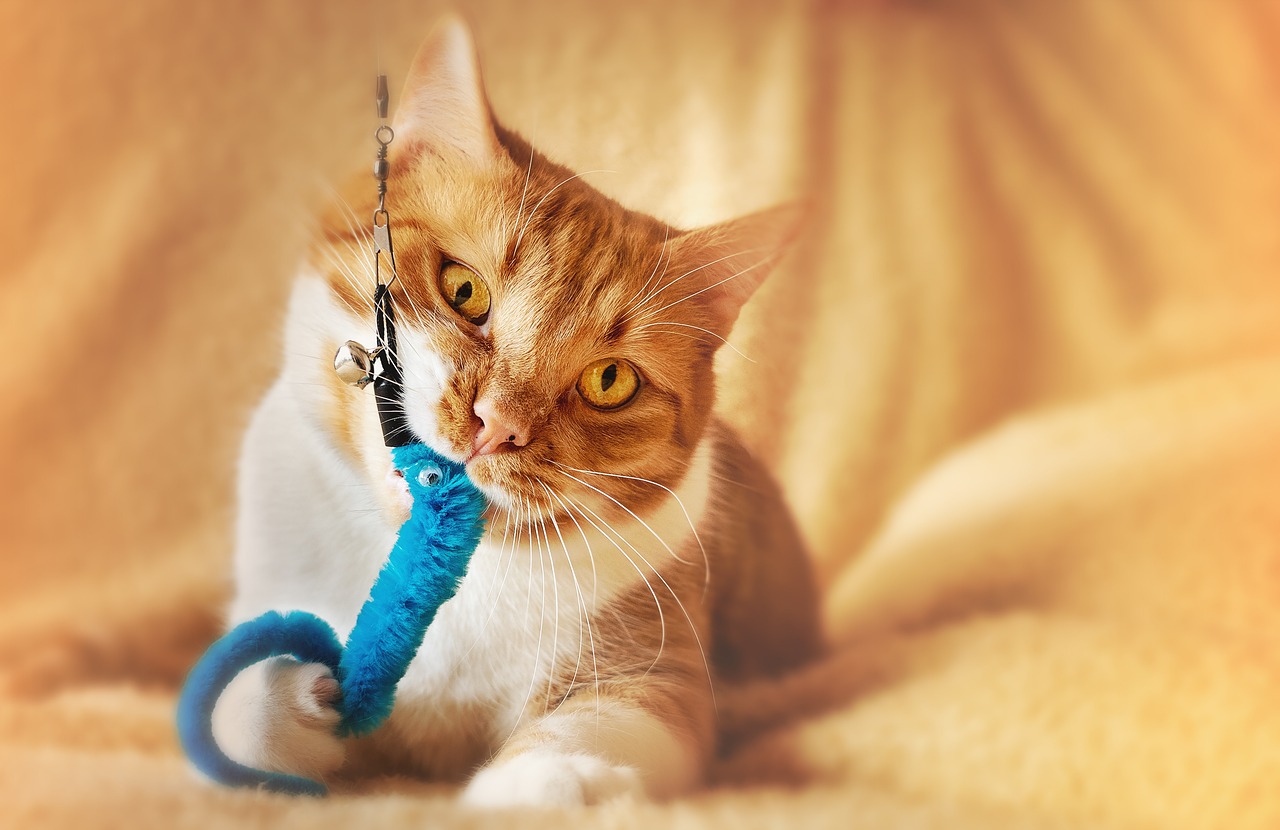

The Influence of Breed on Play and Socialization Patterns in Cats
The socialization of cats significantly influences their behavior and interactions with humans and other animals. Among the key factors affecting this process is the breed of the cat. Different breeds exhibit unique play patterns and social behaviors that shape their development during formative stages. For instance, breeds like the Maine Coon tend to exhibit playful, friendly traits, encouraging social interaction. In contrast, more reserved breeds like the British Shorthair may require different approaches during the socialization process. Understanding these nuances is crucial for cat owners to foster better relationships with their pets.
Play is often a window into a cat’s social skills. Through play, kittens learn vital social cues and establish their roles within the household. For social breeds, engaging in interactive play with humans or other pets helps reinforce their playful nature and reduces the likelihood of behavioral issues. Toys that mimic prey, such as feather wands, can enhance their innate hunting instincts and promote healthy physical activity. More introverted breeds might prefer solitary play, indicating a need for owners to tailor interactions based on their specific socialization needs, ensuring that each cat feels comfortable.
Understanding Social Behavior in Different Breeds
Different cat breeds showcase varying levels of sociability. Some breeds, like the Siamese, are renowned for their affectionate and vocal nature, often seeking companionship during play. They thrive with interaction and need consistent social engagement to be truly content. Other breeds, such as the Persian, may exhibit more stoic traits, often enjoying independent play rather than relentless interaction. This understanding can alter how owners approach socialization, emphasizing quality interactions over quantity. Identifying the distinct needs of each breed reduces stress and promotes healthier social behaviors.
Furthermore, age and early experiences significantly affect how socialization occurs in cats. Kittens learn best in interactive play scenarios from about two to nine weeks of age. This is when they develop critical social skills from their mothers and littermates. Breeds with more pronounced playfulness often display increased adaptability to various environments and situations, largely influenced by those formative experiences. Late socialization can lead to challenges in behavior, especially in more nervous breeds that may require gentle exposure to social experiences that align with their temperament.
The Impact of Environment on Play Behavior
The home environment can significantly impact a cat’s play and socialization behaviors. Cluttered spaces may lead to stress, while enriched environments with diverse toys and surfaces often encourage active play. Breeds known for their high energy, such as the Bengal, thrive in settings where they can explore and jump. Moreover, social interaction opportunities—like playdates with other cats—enhance their socialization experiences. Conversely, more reserved breeds benefit from quieter, less stimulating environments that allow for gradual exploration of their surroundings without overwhelming exposure to new stimuli.
Interactive play also plays a role in strengthening the bond between owners and their cats, regardless of breed. Employing techniques such as clicker training during play can enhance communication and mutual understanding. Eventually, this creates a sense of trust that is essential for healthy social development. Utilizing varied types of toys can cater to a cat’s individual preferences, thus promoting engagement. Each breed will respond differently to certain types of play, so recognizing these distinctions helps optimize the socialization experience and foster happier pets.
Promoting Healthy Socialization through Understanding
In conclusion, the role of play in socialization is crucial, heavily influenced by a cat’s breed. Understanding these different patterns allows owners to tailor their approach. With patience and consistent practice of playful engagement, owners can enhance their cats’ social behaviors, creating a more harmonious living situation. Leaving the opportunity for positive experiences through play ensures that cats feel secure, respected, and effectively bonded with their human companions. The importance of recognizing breed-specific traits should not be understated.
Embracing these insights will allow cat owners to fulfill their pet’s needs more effectively. Every play session becomes an opportunity for social connection, laying a solid foundation for lifelong companionship. The unique instincts and temperaments across various breeds necessitate an adaptable approach, ensuring that each cat’s play style is respected. Ultimately, the responsibility lies with owners to understand and facilitate socialization in ways that resonate with their cats’ natural behaviors, thereby enriching both feline and human lives.