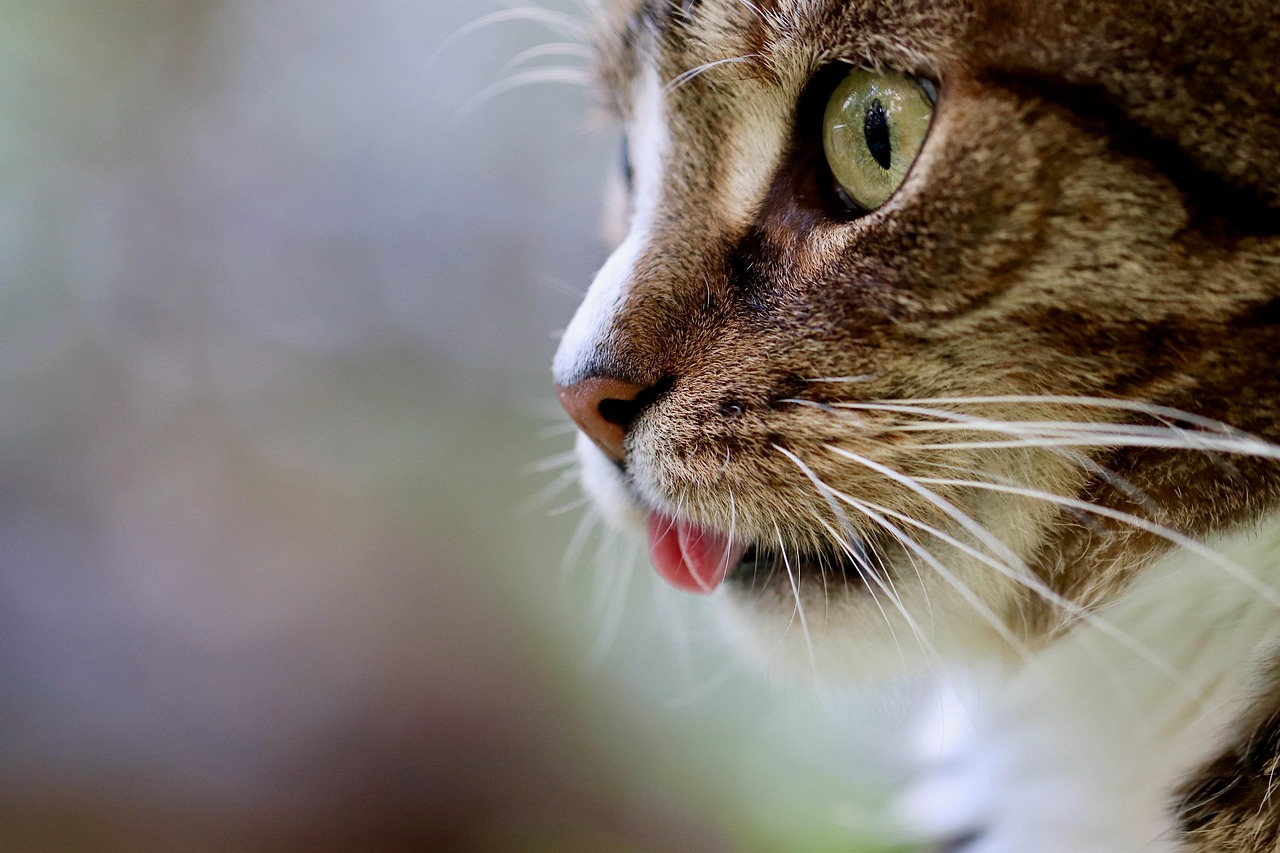

The Role of Socialization in Managing Cat Hyperactivity
Cat hyperactivity can frequently manifest as excess energy, resulting in erratic behavior and increased stress for both cats and their owners. Understanding the critical role of socialization is vital in addressing these challenges. Engaging with cats from an early age helps to develop their social skills, making them more adaptable in various settings and less prone to hyperactive responses. Regular social interactions contribute to confident behavior, allowing cats to thrive in environments that may otherwise induce anxiety or hyperactivity. Moreover, providing ample playtime with toys or other cats encourages natural hunting instincts, aiding in channeling that excessive energy appropriately. It’s essential to remember that each cat is unique; some may require more social engagement than others. Establishing a routine involving interactive play sessions can aid in reducing hyperactive tendencies. Socializing with other animals and humans can also provide valuable stimuli, which in turn will contribute to a balanced mental state, helping them manage their exuberance. Owners should strive to create a positive atmosphere that fosters communication, enabling their cats to feel secure and understood, ultimately leading to improved behavior and reduced hyperactivity.
Beyond the benefits of socialization, there are other techniques that can support managing hyperactivity in cats. Incorporating structured routines is crucial; pairing playtime with meal times can create anticipation, helping a cat channel energy. The environment should also be enriched with engaging activities and toys, allowing cats to explore and exert energy creatively without frustration. For example, using puzzle feeders can stimulate both their mind and body, reducing hyperactivity caused by boredom. Observation is essential; noting a cat’s triggers can help owners adjust their lifestyle accordingly, minimizing the chances of hyperactive outbreaks. Additionally, implementing calming techniques, such as soft, soothing music or the use of pheromone diffusers, can create a serene environment. This is particularly beneficial if the cat is prone to hyperactivity due to external stressors. Therefore, it’s important to assess the impact of external stimuli on a cat’s behavior. Regular veterinary check-ups can help diagnose underlying health issues that may contribute to hyperactivity, ensuring that both mental and physical health are addressed concurrently for optimal well-being.
Creating a Balanced Lifestyle for Your Cat
Creating a comprehensive and balanced lifestyle for your cat involves a mixture of physical activity, mental stimulation, and establishing positive social connections. Daily exercise, through activities like fetching or interactive toys, helps tire your cat out, preventing excessive energy from translating into hyperactivity. Concurrently, facilitating mental challenges, such as puzzle toys or new tricks, keeps their minds sharp and occupied. Training through positive reinforcement promotes good behavior, aiding in creating a more focused and less hyperactive disposition. It’s essential to introduce socialization gradually, especially if the cat has shown hesitance in the past. Regular and controlled interactions with new people and animals can build their social confidence, improving their adaptability. Additionally, consider organizing playdates with other friendly cats to introduce them to different social settings and company. Such experiences can equip your cat with valuable coping skills in varied social situations, reducing stress and improving behavior. Owners can enhance this balanced approach by effectively managing their home environment, ensuring it is safe, enriching, and filled with opportunities for social interaction.
Moreover, understanding the nuances of your cat’s personality is key to managing hyperactivity effectively. Each cat has distinct preferences and triggers that influence their behavior. Some may be naturally more active, while others might be more laid-back. Observing your cat’s unique demeanor will help in tailoring strategies for managing hyperactivity. For instance, if a cat responds positively to engaging with humans or environment, incorporating more social activities can lead to a significant reduction in hyperactive behavior. Proactive engagement is crucial; participating in the cat’s activities strengthens the bond shared while offering reassurance. Also, introducing more calm and peaceful downtime between energetic activities will create a rhythm that caters to their needs. Creating cozy spaces where a cat feels safe can improve their mental state, reducing their impulsive behaviors. Schedule moments where your cat can retreat and relax after play, complementing the excitement with moments of calm. The balance between social interactions, structured activities, and passive relaxation is important, leading to a happier, more fulfilled, and less hyperactive cat.
Enhancing Interaction Through Training
Training is an efficient tool for enhancing interaction and managing hyperactivity in cats. By fostering a structured training regime, owners can instill positive behaviors, giving cats a sense of accomplishment and focus. Utilizing positive reinforcement, such as treats or affection, encourages desired behaviors while minimizing unwanted hyperactive responses. Training sessions should be kept short and enjoyable to maintain a cat’s interest. This also creates a competitive yet fun atmosphere, as cats are natural learners who economically tap into their instincts when tempted with rewards. Simple commands, like ‘sit’ or ‘high-five,’ coupled with praise, can transform hyperactive tendencies into focused tasks, instilling self-control in cats. Such training also enhances communication between owner and pet, strengthening their bond. Regular practice offers social benefits, allowing owners to engage their cats in stimulating exercises that keep energy levels balanced. Keeping a training schedule flexible will accommodate the cat’s needs, promoting a sustained interest in interactive lessons. Furthermore, gradual social interaction with other well-behaved pets can enhance their skills, while also giving them opportunities to practice self-regulation in more social settings.
Another beneficial aspect of interaction comes from incorporating outdoor activities while ensuring safety. Leash training can be an excellent method for introducing outdoor experiences without excessive stimulation. Allowing cats to explore new environments helps satiate their curiosity, reducing the urge to express that energy indoors through hyperactivity. Supervised outdoor exploration supports the cat’s natural instincts by allowing them fresh air while engaging in exploration. Catios, enclosed outdoor spaces designed specifically for cats, can offer a safe environment for outdoor adventure without many risks. Furthermore, controlling the environment while outdoors minimizes overwhelming experiences, which can lead to stress-induced hyperactivity. Gently acclimatizing the cat to their harness and leash can build their confidence. Introducing outdoor excursions gradually enhances the positive association with outside exploration. It’s vital to remember that each cat’s comfort level varies; be patient and attentive to their needs during outdoor activities. The combination of outdoor exploration alongside planned socialization opportunities proves pivotal in maintaining both physical and mental balance, leading to reductions in hyperactivity.
Finding the Right Balance
At the heart of managing a cat’s hyperactivity lies the pursuit of finding the right balance in their lifestyle. It’s important to tailor routines that respect the individual needs of each cat. Regular assessment of behavioral patterns will help owners understand what works best for their feline companions. Consider combining stimulating activities with sufficient relaxation time to cater to both aspects of energy management. Experimenting with different play methods such as solo and team play can determine effective engagement strategies. Prioritize spotting signs of hyperactivity early and adjust routines to accommodate these changes. Implementing behavior recordings can help pinpoint what specific elements may incite hyperactivity, allowing for timely intervention. Moreover, consistent evaluations can lead to improved approaches over time. This dynamic and adaptable involvement between owners and their cats promotes ongoing growth in their relationship, ensuring the well-being of both parties while creating a stable environment. Ultimately, encouraging an enriching, engaging, and social lifestyle fosters a long-lasting bond that allows cats to feel secure and reduces hyperactive tendencies effectively.
In conclusion, managing hyperactivity in cats through effective socialization practices and engaging activities can transform challenging behaviors into fulfilling experiences. Establishing a structured environment filled with varied stimuli paves the way for stable mental health, ultimately leading to healthier interactions between cats and their owners. By implementing daily routines, introducing socialization gradually, incorporating constructive play, and allowing for adequate downtime, owners can take significant strides toward enhanced mental well-being for their cats. Additionally, seeking veterinary advice for underlying health factors influencing hyperactivity is essential for a comprehensive approach. It is the blend of training, environmental enrichment, and socialization that culminates in successfully managing a cat’s hyperactive behavior. As cats thrive on attention, offering them opportunities to interact positively fosters lasting connections, further benefiting their mental stability. Every small effort counts; from consistent playtime to enriching their environment, each step will contribute towards effectively addressing hyperactivity. Therefore, committing to socialization and understanding the unique personality of each cat can lead to a harmonious relationship where both pet and owner can enjoy peaceful coexistence.