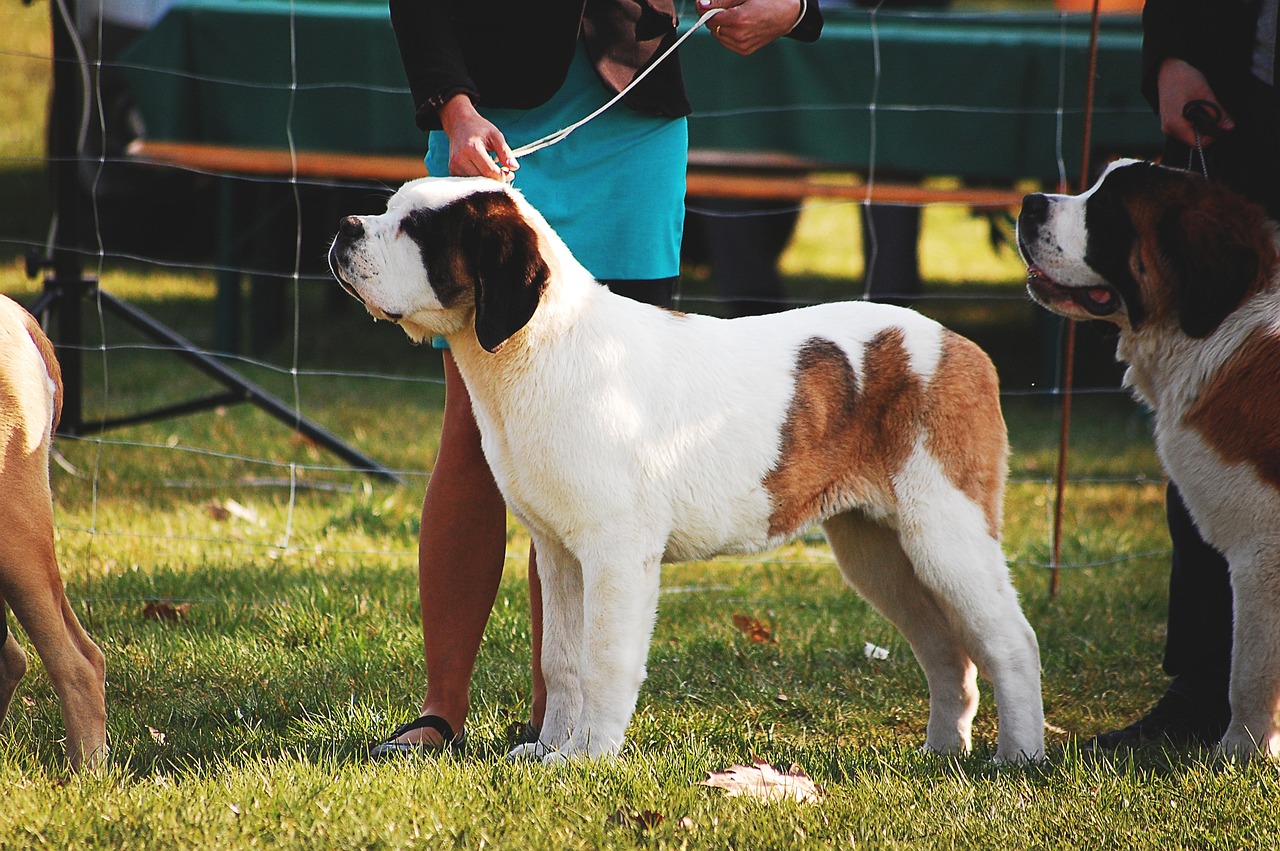

Ethical Considerations in Breed-Specific Dog Shows
Breed-specific dog shows have gained immense popularity, as they celebrate the unique traits inherent in specific dog breeds. However, they also raise significant ethical issues that merit consideration. For instance, judging criteria often prioritize physical characteristics that may not necessarily align with the well-being of the dog. This fosters a culture that can lead to breeding practices encouraging exaggerated traits or “pure” strains, which can have detrimental health implications. Moreover, by focusing on visually appealing elements, we inadvertently push aside the dogs’ health and temperament issues, presenting a conflicting message to potential dog owners. Additionally, it is vital to examine how the judging system influences the perception of certain breeds. When breeds are portrayed in a manner emphasizing their appearances, harmful stereotypes may arise, affecting dog adoption rates and public perception of specific breeds. This brings attention to the need for accountability among judges to prioritize health and behavioral standards. Comprehensive guidelines should be established for judging, focusing on ethical breeding practices and welfare considerations. By fostering an environment that values the dog’s overall quality of life, breed-specific shows can evolve positively.
Another crucial aspect to consider in breed-specific dog shows is the impact on the overall dog population. As judges and breeders highlight select breeds, pressures can arise to meet demand, resulting in unethical breeding practices that prioritize profit over canine welfare. Unscrupulous breeders may prioritize cash flow, resulting in health issues caused by inbreeding or lack of genetic diversity. Groups dedicated to animal welfare often express concern over these practices, identifying that a heavy focus on breed conformity contributes to the proliferation of breed-based health problems. Further, the narrowing of acceptable traits can foster a breeding culture that overlooks dogs who don’t fit the idealized image. This focus can marginalize mixed breeds or less popular breeds, which may not receive the same level of attention. Many advocacy organizations call for a more inclusive approach in dog shows that recognizes the versatility and merit found in all breeds, including mutts and less recognized purebreds. By expanding acceptance criteria, shows could emphasize the importance of diversity, health, and behavior rather than conformity. This approach could potentially guide new owners towards making decisions based on positive attributes rather than solely visual appeal.
Amplifying the Health Concerns
Health concerns related to breed-specific dog shows cannot be overlooked. Some breeds are genetically predisposed to various health conditions, exacerbated by the pressure to conform to aesthetic standards outlined by performance judges. This reality poses ethical dilemmas; do we prioritize the dog’s lineage and appearance over its capability to live a healthy life? The role of dog shows in promoting healthy breeding practices is vital, as they can either advocate for or discourage unethical standard maintenance. Judges have a responsibility to factor in these health-related criteria when assessing dogs at shows, thereby helping raise awareness about the genetic issues causing discomfort for some breeds. Awareness must be cultivated among breeders, potential owners, and judges alike, promoting genetic health as part of the evaluation process. Implementing health screenings or requiring proof of genetic testing prior to participation could encourage responsible breeding. A move towards prioritizing health does not mean excluding certain breeds but rather redirects focus on optimal welfare. Encouraging breeds to compete based on overall well-being, temperament, and functionality can help mitigate the harmful impacts of breeding purely for aesthetics.
Furthermore, the environmental impact of hosting breed-specific dog shows should be analyzed as part of broader ethical considerations. These events can often involve significant resource consumption, including travel and logistics for participants and attendees. The carbon footprint associated with these gatherings raises questions about sustainability efforts within the canine community. Organizers have a responsibility not only to ensure animal welfare but also to adopt eco-friendly practices, helping to minimize environmental damage. Options such as utilizing local venues, carpooling, or using virtual events can significantly reduce environmental harm. Another factor to consider is the waste produced during these events, including single-use plastics from food and drink vendors. Setting up recycling programs and promoting responsible disposal practices can help mitigate this waste. Additionally, dog shows can utilize their platforms to promote awareness of environmental concerns within the dog community, encouraging participants to become advocates for sustainable practices in dog ownership and breeding. Striking a balance between celebrating breed-specific traits and minimizing environmental impacts will showcase a commitment to ethical considerations beyond health and behavior.
Fostering Inclusivity in Dog Shows
A significant ethical discussion surrounding dog shows centers on inclusivity. Traditionally, specific breeds have dominated the spotlight, overshadowing the diverse canine population that exists today, including mixed breeds and lesser-known purebreds. Promoting inclusivity can be immensely beneficial, as it educates the public about the merits of embracing various breeds, moving away from a narrow focus on aesthetics. Programs that allow mixed-breed competitions or recognition of diverse breed types can empower owners to appreciate the unique qualities of all dogs. This approach promotes compassion and understanding, emphasizing that all dogs deserve love and respect, regardless of their lineage. Providing guidelines for inclusion can invite new audiences and participants to engage, reshaping the typical perception of dog shows. Moreover, judges can be trained to appreciate temperament, work, and versatile abilities beyond mere appearances. They can foster a shift toward acceptance of individuality, allowing excellent traits from all breeds to take center stage. Over time, this adjustment can lead to broader public understanding, inspiring future generations to appreciate companion animals regardless of breed.
Moreover, engaging the community through educational outreach can extend the ethical impact of breed-specific dog shows. By hosting workshops or seminars that cover responsible breeding practices, dog ownership, and the importance of adopting mixed breeds, show organizers can cultivate a sense of shared responsibility within the dog-loving community. Collaborating with local shelters and breed organizations can further promote dog welfare initiatives, such as adoption events during show gatherings. Educational components can attract a more diverse audience and initiate conversations about the pressures dog shows can impose on certain breeds. By emphasizing the shared goal of healthy, happy dogs, dog shows can harness their visibility for positive advocacy. Creating a platform for discussing canine health challenges and responsible ownership can help bridge connections between various stakeholders, from breeders to potential pet owners. As participants engage in meaningful dialogue, they become advocates for improving the overall quality of life for canines, fostering a strong community ethos. Moreover, advocacy enables dog shows to transcend mere competitions and showcase their potential to inspire change while embracing ethical considerations for all dogs.
Lastly, one cannot overlook the importance of transparency and oversight in breed-specific dog shows. To ensure ethical practices are maintained, establishing a governing body to oversee shows could provide crucial accountability. Judges should be trained not only in performance assessment but also in ethical considerations regarding health, temperament, and breeding practices. A clear set of ethical guidelines should be developed, establishing standards for how dogs are judged and ensuring those standards are consistently applied across all events. Moreover, transparent reporting of show results and breeding practices can help mitigate concerns about unethical breeding. By hosting open forums where community members can voice concerns and suggestions, organizing entities can gather valuable feedback. Such dialogue fosters a sense of partnership between dog show organizers and the community, reinforcing the commitment to ethical practices. It is essential that the dog show community evolves, adapting to the moral imperatives of an increasingly informed public. Together, stakeholders can shift the dog show narrative towards one that prioritizes animal welfare, inclusivity, and sustainability, establishing a model for future generations.
In conclusion, breed-specific dog shows serve as a double-edged sword, presenting opportunities to celebrate certain breeds while illustrating ethical dilemmas that must be addressed. The impact of these competitions extends beyond aesthetic appreciation and highlights the need for improved standards focusing on health, inclusivity, and sustainability. Advocating for comprehensive guidelines, fostering inclusivity, and increasing transparency are essential steps towards ensuring dog shows contribute positively to the canine community. By embracing diversity and recognizing the inherent worth of all dogs, we can foster an environment where ethical considerations are prioritized. As we navigate the complexities present, a commitment to improving the lives of all dogs must remain our shared goal. An evolving dog show landscape can promote health-conscious practices devoid of harmful breeding expectations, creating a legacy rooted in compassion and understanding. Together, organizers, judges, and participants can redefine success in dog shows, emphasizing qualities that matter most: health, temperament, and responsible ownership. Ultimately, ethical considerations in breed-specific dog shows can lead to significant advancements in nurturing a vibrant canine culture that truly celebrates every dog, regardless of its pedigree.