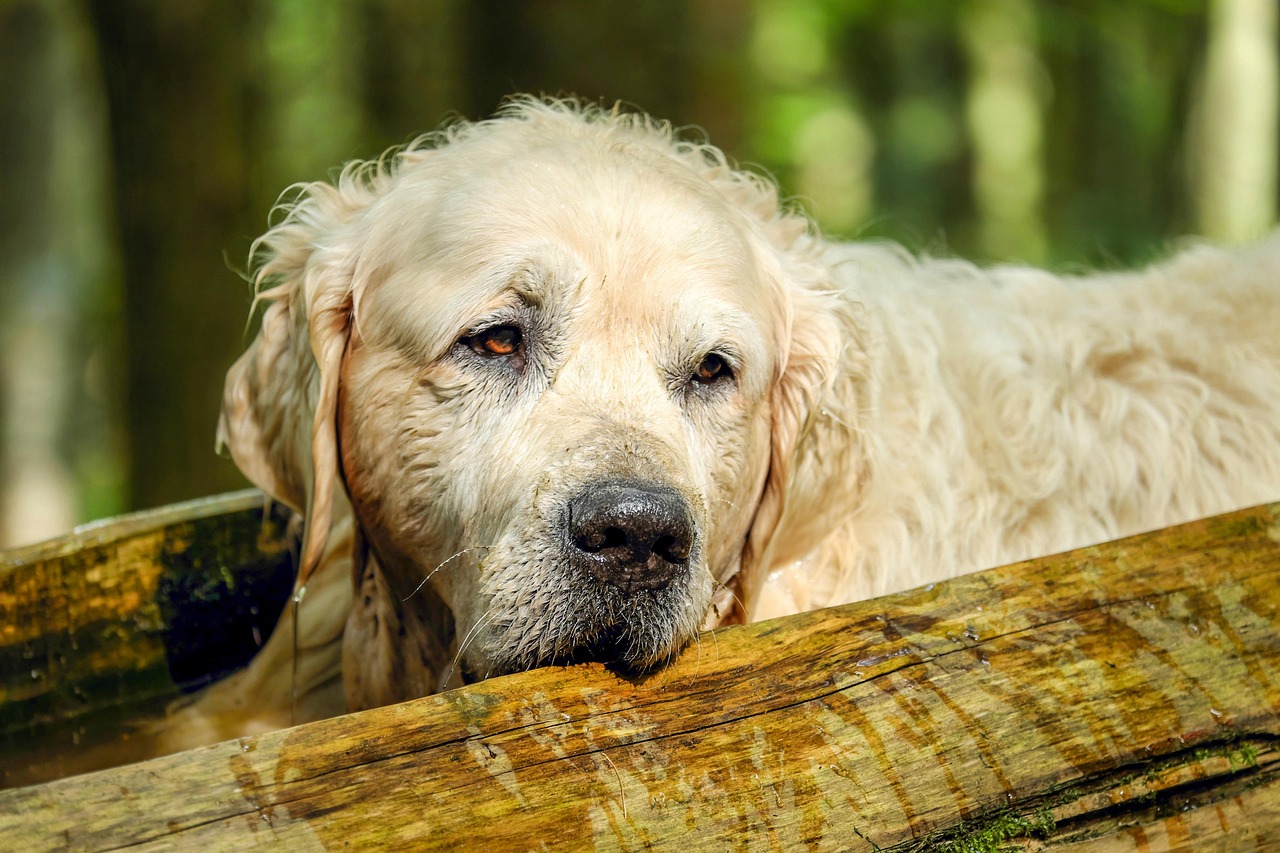

Recognizing Signs of Aging in Your Golden Retriever and How to Care for Senior Dogs
As your Golden Retriever reaches senior age, it’s essential to recognize the signs of aging that can affect their health and well-being. Common signs include a decrease in energy, changes in appetite, weight gain or loss, and occasionally, behavioral changes such as anxiety or irritability. These signs can start around seven years of age. Additionally, you might notice physical alterations, such as gray fur or stiffness in joints. Paying attention to these changes is critical as they often indicate underlying health issues, such as arthritis or dental problems, quite prevalent in older dogs. It’s crucial to schedule regular veterinary check-ups for proper assessments and preventive care. Early detection can significantly improve the quality of life for your beloved pet. Keeping an eye on their habits and physical condition enables you to address specific needs. If you observe any changes, consult your veterinarian for guidance. Regular exercise, a balanced diet, and maintaining oral hygiene are essential in ensuring a healthy and happy senior dog. Customized care routines can enhance their comfort and provide a more pleasant life experience.
Dietary Needs of Aging Golden Retrievers
Nutrition plays a vital role in maintaining the health of your aging Golden Retriever. Senior dogs have unique dietary requirements that differ from younger dogs, often requiring less fat but more fiber. Senior dog food typically brings about balanced nutrients, helping them maintain an appropriate weight and manage obesity-related issues. Ingredients like glucosamine and chondroitin are beneficial for supporting joint health, helping reduce stiffness and pain. Additionally, ensure your dog has access to fresh, clean water at all times to support hydration as they can become less energetic and more sedentary. Some owners choose to consult a veterinarian about supplementing their dog’s diet with vitamins tailored to aging pets, helping them combat age-related deficiencies. Always consider any allergies or sensitivities your Golden Retriever may have when selecting their food. Gradually transition to new food types to prevent digestive upset. Monitoring your senior dog’s weight and adjusting their diet accordingly is crucial. Since older dogs might be picky eaters, it’s essential to keep their meals interesting and enticing. You can mix in some wet food or warm up dry food to enhance aroma and appeal. Regularly review their food choice with your vet.
Exercise and Physical Activity
Maintaining an appropriate exercise routine is critical for the overall health of senior Golden Retrievers. While older dogs may not be as vigorous as they once were, they still require regular physical activity to prevent obesity and support mobility. Aim for shorter, more frequent walks instead of long, strenuous sessions. Monitor your dog for signs of fatigue during walks and adapt the duration and intensity of activities accordingly. Low-impact activities, such as swimming or gentle playtime in the backyard, can be especially beneficial as they don’t impose stress on aging joints. Exercise also helps improve their mental health as it combats boredom and anxiety. Incorporating some engaging mental stimulation through interactive toys or puzzle feeders can also provide a well-rounded approach to care. Additionally, consider group activities that involve gentle interaction with other senior dogs, promoting socialization. Make coherence between their physical limitations and their mental stimulation, creating a healthy balance. Always consult with your veterinarian to tailor an exercise plan that suits your Golden Retriever’s unique health condition and capabilities. Investing time in consistent, appropriate exercise can significantly improve your dog’s overall happiness and vitality.
As dogs age, they often require special considerations regarding their healthcare. Regular veterinary check-ups become increasingly important as preventative care can catch potential issues early. Some common issues in aging Golden Retrievers are arthritis, heart disease, and dental problems, which can significantly impact their quality of life. Regular check-ups allow your veterinarian to monitor these health parameters effectively. Keeping a close eye on your dog’s dental health is also key; consider scheduling routine dental cleanings or providing dental chews as an alternative. Additionally, it’s important to maintain a comprehensive health record, tracking vaccinations, treatments, and any observed changes in behavior or health status. Discuss progesterone levels or organ functions when regular lab tests are done to ensure your dog remains healthy. Promptly addressing any signs of discomfort or changes can lead to timely interventions. Consider potential mobility aids, like ramps or non-slip mats, to facilitate easier movement around the home. Keeping your Golden Retriever comfortable at home and providing a secure and familiar environment is beneficial. This gradual adaptation promotes a sense of routine and stability for them, supporting their emotional well-being.
Grooming for Senior Golden Retrievers
Grooming your Golden Retriever is essential, especially as they age. Regular grooming sessions can help address issues related to their skin and coat, which may become drier and more prone to matting or tangling. Golden Retrievers benefit from frequent brushing to remove loose hair and reduce shedding. Proper grooming also promotes better skin hygiene and provides the opportunity to check for lumps, bumps, or skin irritations. Older dogs may require bathing less frequently, but when you do bathe them, opting for gentle shampoo that suits sensitive skin is recommended. Additionally, monitor their ears, as older dogs can be predisposed to infections. Cleaning their ears with veterinarian-approved solutions is a great way to prevent buildup and complications. Nail trimming is also essential, as older dogs may become less active, and their nails can grow too long, leading to discomfort. Always use pet-safe grooming tools and consider professional services if your dog experiences stress during grooming sessions. Maintaining their coat not only contributes aesthetically but also plays a crucial role in their overall health and comfort.
Understanding Changes in Behavior
Behavioral changes in an aging Golden Retriever can signal various health issues and warrant attention from owners. Recognizing these changes early allows for timely intervention, improving their overall welfare. You might observe changes in sleep patterns, increased anxiety, or altered responses to familiar sounds or people. Senior dogs may become more focused on their owners, seeking affection and comfort. They could also show reluctance towards activities they once enjoyed, indicating pain or discomfort. This withdrawal can signal underlying problems like joint pain or cognitive dysfunction. Cognitive dysfunction is prevalent in older dogs, resulting in confusion or disrupted sleep patterns, similar to dementia in humans. Keeping a routine can help ground your dog, reducing anxiety linked to confusion. Use positive reinforcement to encourage engagement and ease the transition into altered capabilities. Increasing comfort through gradual changes in environment may improve their mental state significantly. Keep communication clear and assess if they’ve adapted to changes. If behavioral shifts raise concerns, reach out to your veterinarian for guidance on managing the behavioral or neurological changes associated with aging.
End-of-Life Care and Comfort
Considering the end-of-life care for your Golden Retriever is an emotionally difficult yet essential aspect of responsible pet ownership. Assess your dog’s quality of life regularly, focusing on their ability to enjoy day-to-day activities like eating, walking, or interacting. If they seem to have more bad days than good, it may be time to discuss palliative care options with your veterinarian. Medications or therapies can alleviate discomfort and improve quality of life during this stage. Creating a cozy environment for your senior dog becomes even more critical; soft beds, familiar blankets, and a peaceful atmosphere can improve their comfort. As their conditions progress, you might consider discussing hospice services focused on transitioning your dog with dignity and love. Engage in gentle, soothing activities together, possibly sharing quiet moments or cuddling, assuring them they’re not alone in this journey. Remember that timing is crucial in making difficult decisions regarding end-of-life care. Ultimately, it’s about providing the utmost care, love, and understanding for your Golden Retriever in their final days.
Your Golden Retriever is more than just a pet; they are a beloved family member. Keeping them healthy and happy during their senior years is a shared responsibility and an emotional journey. Understanding the indicators of aging and adjusting your care routine is vital for ensuring a better quality of life for your loyal companion. Pay attention to their needs, adjust their diet, provide consistent veterinary check-ups, and keep their environment comfortable. Whether it’s through organized exercise, mental engagement, grooming, or providing cozy spaces, every effort contributes significantly to their joy. As they age, the companionship deepens, and your bonds strengthen through shared experiences. Your loving care can aid in addressing their evolving needs and can help mitigate health problems arising from aging. Advocate for their health while remaining observant to changes, creating a lasting impact during these precious years. Take heart in knowing that your commitment to their welfare provides them with continued warmth and understanding. Your Golden Retriever deserves every effort in their later years, sustaining the joyful spirit they have shared with you throughout your journey together.