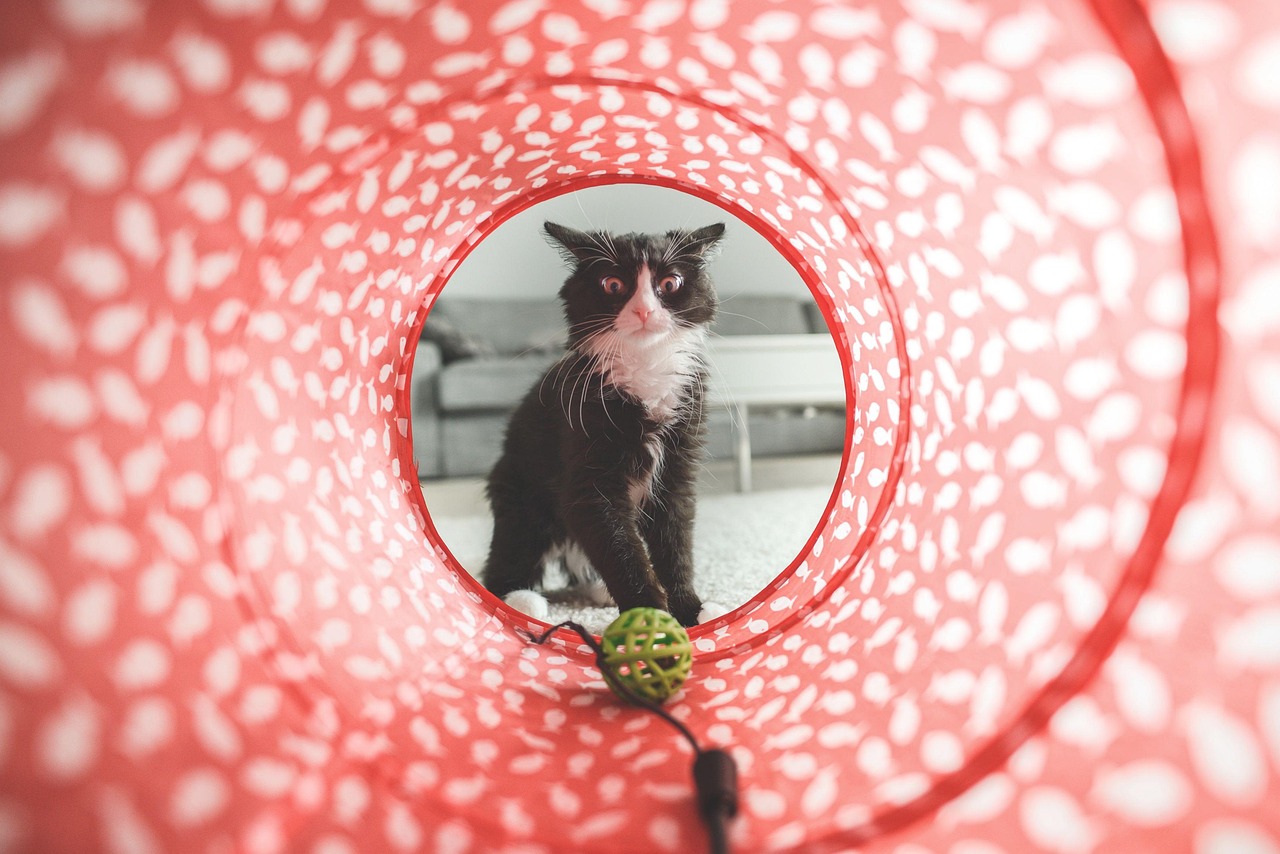

The Role of Play in Cat Socialization
Play is a vital component in a cat’s socialization process. Engaging with other cats or humans through playtime fosters trust and encourages positive interactions. For kittens, play acts as a rehearsal for adult behaviors and provides crucial learning experiences. Kittens learn to navigate social situations through play fighting and chasing, honing their fighting and pouncing skills. For adult cats, play serves as an opportunity for bonding, reducing aggressive tendencies and promoting companionship. Whenever you observe your cat in a playful state, know that they are likely in a more relaxed and enriched mental state, ready to interact with you or other pets. To enhance your cat’s social skills, introducing new toys that mimic prey can encourage hunting instincts. Regular playtime also helps alleviate boredom and anxiety, common issues when a cat is left alone. Additionally, interactive play involving your participation can significantly enhance your bond and create a trusting environment. Engaging your cat with a variety of toys and frequent play sessions not only makes them happier but also contributes positively to their overall well-being, proving play is a fundamental aspect of effective cat socialization that should not be overlooked.
Different types of play can greatly contribute to a cat’s social skills. Solo play focuses on the cat interacting alone with toys, which is often useful for general exercise and skill development. However, social play is equally important. This involves interactions with humans or other cats, allowing them to enhance their social behavior in a controlled context. Structured games foster communication. For example, pulling a string or tossing a ball can encourage the cat to engage and respond to commands. Such activities help refine their instincts against perceived threats while establishing confidence in their interactions with others. Indoor cats might not have as many natural opportunities for social play, making it essential to create a dynamic and engaging environment with various toys. Always observe your cat’s body language. By recognizing their cues, you can enhance playtime and allow your feline companion to express themselves freely. When their comfort zone is respected, cats are more likely to partake in cooperative play. Over time, these practices cultivate better socialization skills and ultimately strengthen the bond between the cat and its owners.
Benefits of Daily Interaction
The benefits of daily interactions through play cannot be overstated. Regular play sessions help build a routine, providing cats with the predictability that they crave. Such structure gives them confidence and stability. These activities stimulate their minds and bodies, preventing behavioral issues that can arise from boredom or lack of social engagement. Furthermore, engaging in play facilitates physical fitness. Maintaining an active lifestyle is essential to their health, as obesity is a common concern among indoor cats. When they chase or pounce on their toys, they are not only having fun but also improving their physical condition, which includes muscle strength, agility, and coordination. Alongside physical benefits, emotional health is equally supported through these interactions. Cats that receive frequent, loving attention are often more relaxed and exhibit less anxiety in unfamiliar situations. Indeed, the bond developed during play serves as a foundation for a trusting relationship. Establishing this connection enables owners to better communicate and understand their pets, making socialization not only smoother but also a more enriching experience for both cats and their humans alike.
Each cat exhibits unique responses during play. Some may thrive in energetic games, whereas others prefer gentler interactions. Recognizing these individual preferences is essential to promoting successful socialization. For instance, while some cats enjoy intense chases, others may become overstimulated and stressed by such activities. Observing and adapting to your cat’s play style encourages an environment that feels safe and engaging. Toys that cater to different play styles, such as feather wands for hunting instincts or soft plush toys for gentle snuggles, could enrich their experiences. Effective communication also plays a significant role. Engaging with your cat through vocal encouragement enhances their involvement in play. Positive reinforcement, like treats or affection, can further motivate play, making your cat feel even more secure in their environment. Ensure that playtimes end on a positive note, which fosters a sense of closure. This practice helps your cat associate interaction with enjoyment. As a result, they will be more inclined to seek out social interaction in the future, viewing humans and other pets as companions rather than threats. Balancing their needs during playtime is key to building their confidence.
Types of Interactive Toys
Using a variety of interactive toys during playtime can greatly influence your cat’s social behavior. Many commercial toys are designed to stimulate their natural hunting instincts, making them appealing. Laser pointers can encourage chasing, while feather toys prompt pouncing. Remote-control mice or interactive surfaces that mimic prey movement can also engage their attention. It can be beneficial to rotate toys regularly to keep play sessions exciting, preventing monotony. Cats are naturally curious creatures; providing novel toys can spark their interest and encourage extended play. Additionally, incorporating puzzle toys that dispense treats adds a mental challenge, rewarding their efforts and stimulating their cognitive functions. However, supervision is crucial, especially with toys containing smaller pieces that could be ingested. Cat trees or shelters can provide additional enrichment, acting as play areas where they can climb and hide. Social interactions can increase as play areas become more dynamic and less predictable. Observing how your cat reacts can inform you of their preferences and dislikes, guiding your selections for future playtime activities. Ultimately, improving playtime variety directly benefits your cat’s comfort and capabilities in social situations, empowering them to interact more freely.
Incorporating structured socialization activities with your cat can create more stimulating environments. For those living in multi-pet households, group playtime can immensely benefit their social skills. This is particularly true when introducing new pets into the home. Gradually allowing the new pet into the play environment can foster friendships, ease tensions, and promote coexistence. Cats often express their personalities during play, making it an ideal opportunity to observe social interactions. Encourage playdates with friends who own sociable, calm cats to further facilitate positive encounters. It’s important to note that each cat has a different tolerance level for other pets. Therefore, always monitor interactions closely, intervening if necessary to prevent stress or aggressive behavior. Having a safe space for retreat if tensions arise is essential for their emotional well-being. Providing spaces to hide, along with plenty of resources like litter boxes and food bowls, ensures that social play doesn’t compromise their comfort. Gradual exposure to other pets and environments coupled with engaging play can effectively enhance a cat’s social capabilities, ensuring balanced interactions as they grow.
Conclusion
In conclusion, play is a fundamental aspect of cat socialization that should not be neglected. Understanding the ways in which play impacts their development is crucial for any cat owner. Daily play encourages physical health, mental stimulation, and emotional bonding. By facilitating these interactions, pet owners can foster a positive growth environment for their feline friends. Recognizing individual play preferences allows for tailored approaches that cater to each cat’s unique needs. Investing time in play reinforces the human-animal bond, making socialization an enriching experience for both parties. Consider different interactive toys, create engaging play scenarios, and promote safe environments for social play. With these strategies, cats can develop vital social skills that contribute to their happiness and well-being. Thus, approaching play as a serious component of cat care presents opportunities for improvement in behavior and strengthens relationships. Ultimately, understanding the significant role of play in cat socialization not only benefits the cats but also enriches the human experience of pet ownership as well. A playful cat is often a happy cat, thriving in any social situation.
The adventure continues as you delve deeper!Learn more here.