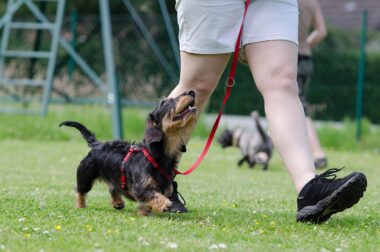
Using Training Journals to Improve Dog Behavior
Dog training can be a fruitful yet challenging experience. With the right methods, you can steer your canine companion toward desirable behaviors. One effective tool in this process is a training journal. This useful resource allows you to track your dog’s progress and adjust your training accordingly. By documenting successes and challenges, you can identify patterns, highlight effective techniques, and eliminate strategies that do not yield results. A consistent method of recording behaviors and outcomes offers insights invaluable for both trainers and owners.
Using a training journal facilitates clear communication within the household. When each family member can see the training exercises undertaken and the results achieved, everyone can contribute effectively. Sharing observations fosters a supportive environment which can lead to quicker progress. As a family unit, you can align your goals and reinforce positive behaviors consistently. In turn, your dog benefits from understanding what is expected of them across the board. Such harmony creates a foundation for strong behavioral improvement and a deeper understanding of your furry friend.
The Benefits of Consistency
One of the most significant advantages of maintaining a training journal is consistency. By noting down each training session, the methods used, and the dog’s responses, you ensure that everyone involved stays on the same page. This approach eliminates confusion and enhances the learning experience for your dog. Over time, your journal will reflect trends in your dog’s behavior, helping you gauge the effectiveness of techniques over weeks or months. This can be essential in deciding which techniques should continue and which ones require alteration.
In addition to recording successes and challenges, a training journal helps set achievable goals. Goals should be specific and incremental, laying down clear paths for improvement. You can jot down these objectives in your journal and track them over time. This serves as motivation for both trainers and dogs by fostering a sense of accomplishment. Moreover, regularly reviewing these goals allows you to adjust them as your dog’s capabilities evolve. Ultimately, goal-setting leads to a more effective training regimen.
Improving Problem Behaviors
Training journals are particularly effective for addressing problem behaviors. By documenting episodes of undesirable actions, you can analyze triggers and frequency. This understanding reveals the patterns behind your dog’s behavior, leading to a strategic plan for intervention. For example, if your dog barks excessively when alone, you can track occurrences and note any potential triggers. This allows for targeted intervention strategies tailored specifically to your dog’s needs, thus making the training process more effective and precise.
Your training journal can also serve as an emotional outlet. Tracking not only your dog’s behavior, but also your reflections, worries, and triumphs provides additional depth. This emotional roadmap can help you manage frustrations and celebrate victories throughout your training journey. Revisiting previous entries can remind you of how far your dog has come, even when progress seems slow. This practice promotes emotional well-being and reinforces the bond between you and your furry companion, critical for effective training.
Utilizing Technology
In today’s digital age, training journals can take on various forms, including apps and online tools. Many modern dog training applications offer templates for tracking behavioral progress. These platforms often provide visual analytics, reminders, and support networks from fellow trainers. This accessibility enhances the journaling experience, making it more engaging and user-friendly. Whether you prefer traditional pen and paper or digital solutions, the key is consistency in recording your dog’s journey for effective improvement.
Ultimately, investing time in a training journal pays off. Tracking progress enables trainers to celebrate small victories, which is crucial for motivation. Your journal reflects not only the behaviors of your dog but also your commitment to improving their behavior. As the insights gained accumulate, you’ll notice more profound connections and communication develop with your pet. This ultimately transforms both your training experience and your dog’s behavior. A dedicated journal can bring about positive changes in both the trainer and the canine, leading to a harmonious relationship.