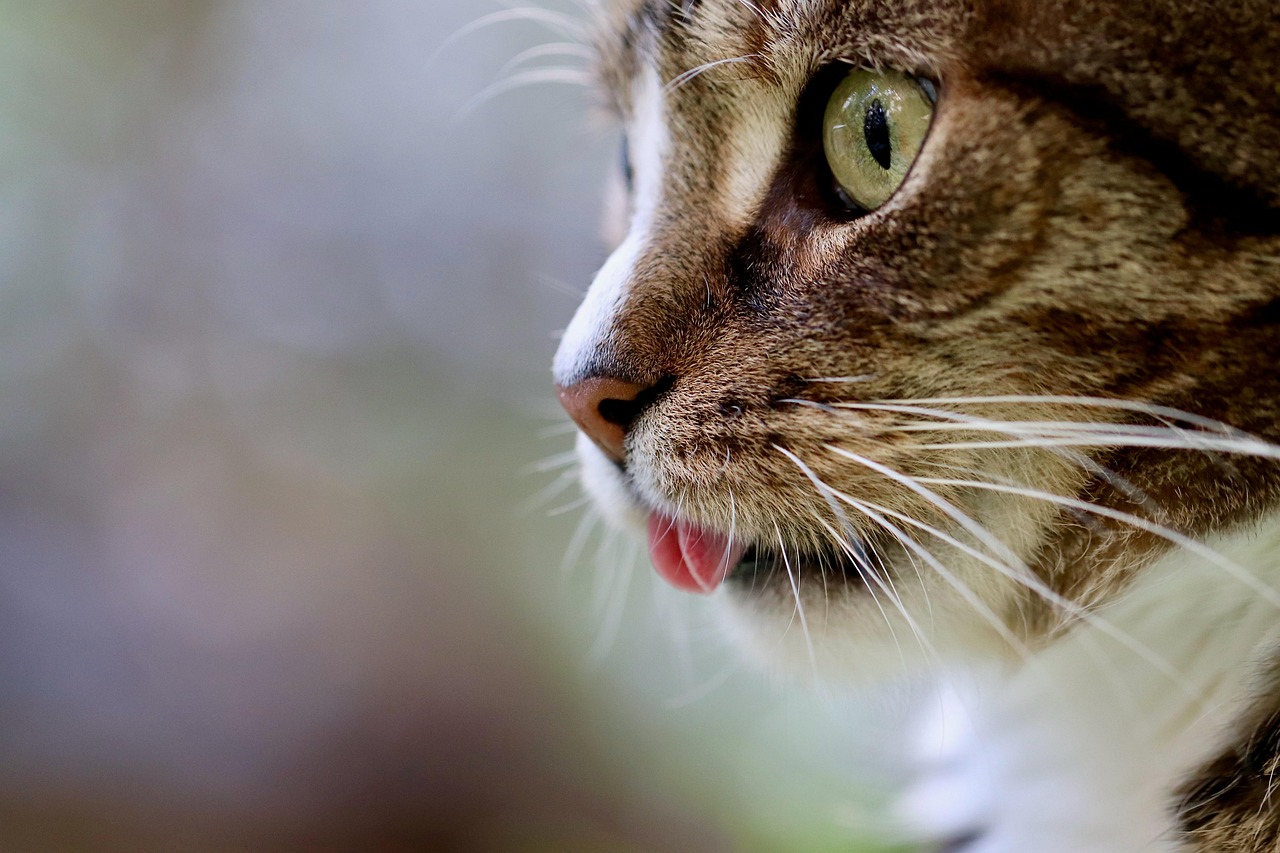

How to Adapt Sit and Stay Commands for Different Cat Breeds
Training your cat to respond to commands such as sit and stay is essential for enhancing their behavior and understanding. Each cat breed possesses unique traits, influencing their trainability. For instance, breeds like the Siamese are social and often eager to please, making them more likely to respond well to commands through positive reinforcement methods. Conversely, more independent breeds such as the Persian might require patience and creativity in their training. Start by assessing your cat’s personality; this will guide how to approach the training process. Using treats, toys, or praise as incentives can significantly improve your cat’s response to commands. Ensure the training sessions are kept short and engaging; longer sessions can lead to disinterest and frustration for both cat and owner. Consistency is key when reinforcing the commands. Practice regularly and in varied settings. By understanding your cat’s breed and personality, you can tailor your approach, making training both effective and enjoyable. An adaptable mindset when training can lead to a more harmonious relationship and a better-behaved feline companion in various situations.
In addition to factors like personality and breed type, age also plays a crucial role in how effectively a cat can be trained. Kittens are often more receptive to learning new commands, as they are naturally curious and eager to engage with their guardians. Introducing the sit and stay commands early in life sets a solid foundation for future training and behavior. For older cats, however, adjustments in techniques may be necessary. They might not respond as readily to new commands if they have established behaviors. Therefore, owners should use patience and adapt their training methods accordingly. Engage their attention with interactive toys or favorite treats. A command like sit can be demonstrated by gently positioning their back down while offering a treat, associating the action with a reward. Encourage them to remain in position with a firm but kind tone. Gradually increase the time before giving the treat. For both young and older cats, providing a calm environment free from distractions aids in their focus during training. With these considerations in mind, adapting commands to suit all life stages is achievable for committed owners.
Understanding Each Cat Breed’s Unique Characteristics
Different cat breeds exhibit distinct behaviors and learning styles that should be recognized during training. For example, the Ragdoll is known for its laid-back and gentle demeanor, making them relatively easy to train for commands like sit and stay. They respond well to a soft and encouraging tone. On the contrary, the Bengal cat is more active and has a high energy level, which can either be an advantage or a challenge in training. To keep their attention, sessions must be high-energy and engaging. Providing variety in the training approach for breeds that require it aids in keeping them engaged. Utilizing play sessions interspersed with commands can sustain interest. It’s important to reward them effectively for successful responses to maintain motivation. Similarly, the Maine Coon, with its sociable nature, is often willing to learn but may need more enticing rewards to keep up enthusiasm throughout the training process. Understanding each breed’s character allows owners to create customized training approaches that cater to their specific needs, paving the way for a successful command-learning experience.
Incorporating play into training routines can significantly enhance a cat’s response to commands. Enjoying interactive play while practicing sit and stay creates a positive association with the commands. For playful breeds such as the Abyssinian, using a feather wand or laser pointer can transform a typical training session into an exciting game. This breed thrives on play, making it easier to integrate commands into their daily routine. Similarly, the Scottish Fold’s gentle disposition allows for slow and steady progress through interactive play, enhancing focus and receptiveness to commands. Using toys as rewards in conjunction with praise solidifies the behavior. Moreover, ensuring that each session concludes with a form of play reinforces their goodwill towards the commands. Timing is crucial; delivering rewards immediately after they obey a command helps them associate the command with the motion. Whenever you’re training a cat, aim for a balance between command practice and playful interaction, especially with breeds that are more engaged by such activities. In this manner, you not only teach commands but also strengthen the bond between you and your feline companion.
Addressing Common Challenges in Training
Despite the joys of cat training, several challenges may arise. Cats can display stubbornness or simply choose to ignore commands, leading to frustrating moments for their guardians. Breeds like the Burmese may show resistance at times. In such instances, it is vital to adopt a calm and patient approach, recognizing that pushing a cat too hard can be counterproductive. Instead of forcing a command, owners should focus on motivation and appeal. Using high-value treats or a favorite toy can often reignite a cat’s interest in obeying. It’s beneficial to create a sense of urgency by incorporating verbal commands with physical cues, aiding comprehension and response. For some breeds, like the Sphynx, breaking up lessons into smaller, manageable steps supports better learning outcomes. This way, even if a cat is initially unresponsive, they gradually begin to grasp the commands. Training shouldn’t feel like a chore for the cat; this can result in disinterest. Instead, making each session enjoyable ensures better cooperation, leading to successful command adaptations over time.
In ensuring that cats master commands such as sit and stay, positive reinforcement remains a fundamental component of training processes. Unlike dogs, cats generally respond less favorably to punishment or negative consequences. Instead, using methods that highlight encouraging behaviors can significantly enhance training. For breeds like the Norwegian Forest Cat, a slow and steady approach in conjunction with ample praise can inspire adherence to commands. Offering treats immediately after the successful execution of a command fosters quicker learning and encourages the cat to repeat the behavior. Keep in mind that not all rewards have to be edible; playtime with their favorite toys can also serve as a powerful motivator. A consistent routine, where commands are practiced daily, establishes clarity and strengthens the commands’ association. Furthermore, recognize the accomplishments, no matter how small, using enthusiastic praise to reinforce positive behavior. As your cat learns, continuously adjusting the training environment and methods based on their responses will yield the best results. Motivation and reinforcement tailored to the cat’s personality are crucial for long-term command retention.
Creating a Safe and Encouraging Environment
Finally, creating a safe and encouraging training environment can significantly affect the success of command training for cats. Choosing a quiet space with minimal distractions allows for more focused learning, enabling cats to pay attention during training sessions. Established routines can also help familiarize your cat with training, leading to decreased anxiety levels about commands. Comfort and security should always be prioritized. For instance, using a familiar mat or area during training sessions can positively reinforce the learning process, making it feel less intimidating. Furthermore, incorporating calming elements, such as ambient music or gentle scents, can create a soothing atmosphere that facilitates learning behaviors. Distractions like loud sounds or the presence of other pets should be minimized. For breeds that tend to be sensitive, such as the Balinese, maintaining a low-stress environment is essential for effective training. Engaging your cat in short bursts of activity paired with the commands will make the process feel like play. By fostering a supportive environment, owners can enhance the connection with their cat while assisting them in mastering commands like sit and stay.
Ultimately, adapting sit and stay commands according to specific cat breeds is a rewarding endeavor for both cats and owners. Each breed presents unique challenges, preferences, and personalities. Understanding the nuances of different breeds enables effective training methods to emerge. Whether through positive reinforcement, play-based sessions, or addressing behavioral challenges, each aspect brings its own value to the training experience. Additionally, being mindful of creating a supportive environment and scheduling routine practice enhances learning. As different techniques are employed over time, owners may find their feline friends becoming increasingly responsive to commands. As cats master these commands, owners benefit from the enhanced companionship that comes from effective communication. As training deepens mutual understanding, pet-guardian relationships become fortified. A well-trained cat not only enhances life at home but also contributes to harmony in various social situations. With patience, creativity, and engagement, adapting commands caters specifically to the needs of different cats, ensuring that their unique spirits shine through. Involving yourself in your cat’s training journey emphasizes participation and bonding while creating an environment of trust and respect.