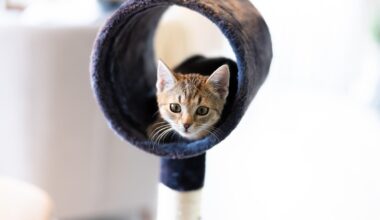

How to Prepare Your Home for a Special Needs Cat
Preparing your home for a special needs cat requires thoughtful planning and adjustments to ensure their comfort and safety. First, assess your living space for potential hazards that could affect your new feline friend. Remove any toxic plants, ensure electrical cords are hidden, and secure heavy items that could fall over. Additionally, consider using baby gates to restrict access to areas that may pose risks. Environment enrichment plays a critical role, so provide suitable climbing structures and cozy hiding spots that can cater to your cat’s physical needs. Since many special needs cats may have mobility challenges, ensure that all essential items like food and litter boxes are easily accessible. Having a quiet area equipped with soft bedding will give your cat a safe retreat. Establishing a routine and maintaining organization will help both you and your cat adjust more easily. Finally, don’t forget to have plenty of toys that stimulate mental engagement, as this can enhance your cat’s quality of life and aid in rehabilitation. Preparing a special needs-friendly home shows your unconditional love and commitment to providing a safe environment.
Furthermore, the type of litter and litter box you choose can significantly influence your special needs cat’s comfort. Opt for a low-sided litter box that allows easy access, especially for cats with limited mobility. Using a gentle, unscented litter can prevent irritation and make the experience more pleasant. It’s advisable to keep it clean regularly, as some special needs cats can be quite particular. Additionally, consider a designated feeding area. Elevated platforms can help simplify feeding for cats with vision problems, while a spill-proof bowl can minimize mess. The importance of hydration cannot be emphasized enough, so providing a water fountain may encourage your cat to drink more water. Furthermore, environmental stability is essential; make sure loud noises or sudden changes in routine are minimized to create a calming atmosphere. If your cat is deaf or visually impaired, try to minimize unexpected movements and maintain a consistent layout in your home. This comfort zone allows your new friend to thrive better, paving the path to a smoother adjustment. Remember, every small effort counts towards creating a comfortable living space for your feline companion.
Creating a Safe Space
A dedicated safe space can greatly benefit a special needs cat by providing an area where they feel secure and can retreat at any time. You can set up a designated room or corner of the house that is quiet and away from the hustle of daily life. This room should have easy access to food, water, and a cozy bed. Use soft bedding to make it inviting, and ensure that the area is free from small objects that your cat could ingest. Incorporate items that offer mental stimulation, such as scratching posts or puzzle toys. A calming scent in the area can also make it more appealing. Feliway diffusers or calming sprays can create a soothing environment. Since many special needs cats may have anxiety, consider some noise reduction solutions, such as heavy curtains, to minimize sound. Gradually introduce your special needs cat to this space when they arrive. This gives them an opportunity to explore at their own pace, making them feel less overwhelmed. Creating a familiar, safe space will help them adjust and foster trust between you and your new furry friend.
Moreover, a gradual introduction process is vital for a special needs cat. Depending on their background and previous experiences, your new companion might be anxious, shy, or even fearful when transitioning into a new environment. Start by allowing your cat to explore one area of your home at a time. It’s beneficial to have a smaller, contained space like a quiet room, where your cat can acclimatize. Keep their interactions limited initially, allowing them to observe and get comfortable with their surroundings first. When they demonstrate curiosity or comfort with their designated space, you can slowly expand their area. Encourage exploration by engaging in gentle play sessions to build confidence and familiarity. Always monitor their body language as it will help you gauge their comfort level. Be patient during this process, as some special needs cats may take longer to adjust than others. Providing positive reinforcement, like treats or praise, during their exploration will encourage subsequent ventures. Recognizing their individual pace is key to establishing a trusting bond that can thrive, meeting both their emotional and special needs effectively.
Incorporating Mobility Aids
If your special needs cat faces mobility challenges, incorporating mobility aids can help improve their quality of life significantly. Consider utilizing cat ramps, which allow them access to higher surfaces like beds or windows without the strain of jumping. Cat trees that have multiple, easily accessible platforms can facilitate climbing and exploring. Some cats benefit from using harnesses designed for support, especially for those recovering from surgery or injury. Additionally, padded mats or rugs can provide traction and comfort on slippery surfaces, reducing the risk of falls. Weighted blankets can also offer comfort and a sense of security, particularly for those with anxiety issues. If your cat enjoys being outdoors, consider building a secure catio, which will give them safe access to fresh air and stimulation. This outdoor enjoyment can also aid in their physical rehabilitation. Pay attention to your cat’s reactions when introducing these aids; engaging them positively will help them adapt more quickly. Always consult with your veterinarian before making significant changes, as they can provide valuable insights into the best aids tailored to your cat’s unique needs.
In the journey of adapting your home for a special needs cat, understanding their dietary requirements is essential. Special needs cats often have particular health issues that may necessitate specific dietary formulations. Consulting with your veterinarian before making any dietary changes ensures that nutritional needs are met appropriately. High-quality commercial diets designed for special needs often contain easily digestible ingredients and necessary supplements. Also, consider rotating food options gradually to assess your cat’s preferences and response. Fresh, filtered water should always be available, especially for cats prone to urinary issues. Moreover, feeding small, frequent meals throughout the day can help improve digestion and keep your cat’s energy levels stable. If your cat has dental problems, selecting wet food can facilitate easier eating. Feeding elevated bowls can also assist with posture, particularly for mobility-challenged cats. Moreover, avoiding abrupt changes in their feeding routine is imperative, as cats thrive on consistency. Monitor their weight regularly; if you notice significant fluctuations, consult with your veterinarian. Tailoring their diet may require adjustments over time to best support their health and well-being.
Bonding and Interaction
Establishing a bond with a special needs cat takes time and patience. Take note of their individual personalities, as special needs symptoms can vary greatly. Some cats may seek affection and companionship right away, while others may prefer gentle distance. Allow your cat to come to you, offering treats and soft-spoken encouragement to promote positive interactions. Engaging them in play serves as an excellent bonding technique. Utilize wand toys or laser pointers strategically to pique their interest and stimulate their instincts without overwhelming them. Observe their responses; this helps to tailor the types of interactions you choose to foster a deeper bond. Always respect their comfort level, and never force interactions as it may induce stress. Gradually introducing calm, controlled petting can allow them to enjoy human contact. Regular interactions help reinforce trust, turning your once-shy friend into an affectionate companion over time. Incorporating routine check-ins, where you simply share a quiet moment together while they rest will also foster the relationship. Your commitment to building trust enables both you and your special needs cat to enjoy a fulfilling and loving companionship.
In conclusion, preparing your home for a special needs cat involves a multifaceted approach incorporating safety, comfort, and emotional support. Every adjustment makes a significant impact on their daily lives and overall well-being. Remember to assess your home for potential risks, providing essential items in easily accessible locations. A calm, safe environment, along with proper mobility aids, tailored dietary plans, and bonding time are essential for creating a nurturing atmosphere. Early intervention and a gradual acclimatization process will help ease your new friend into their surroundings. As you build trust and recognize their unique personalities, your special needs cat will thrive within the love you provide. Your dedication to meeting their physical and emotional needs reflects the special bond you are cultivating. Ultimately, the goal is to create a home that inspires joy, security, and companionship for your feline friend, leading to enriching experiences together. Consider reaching out to local shelters or veterinarians for additional support, as you embark on this rewarding journey. With determination and love, both you and your special needs cat can navigate the challenges ahead while celebrating their unique spirit.