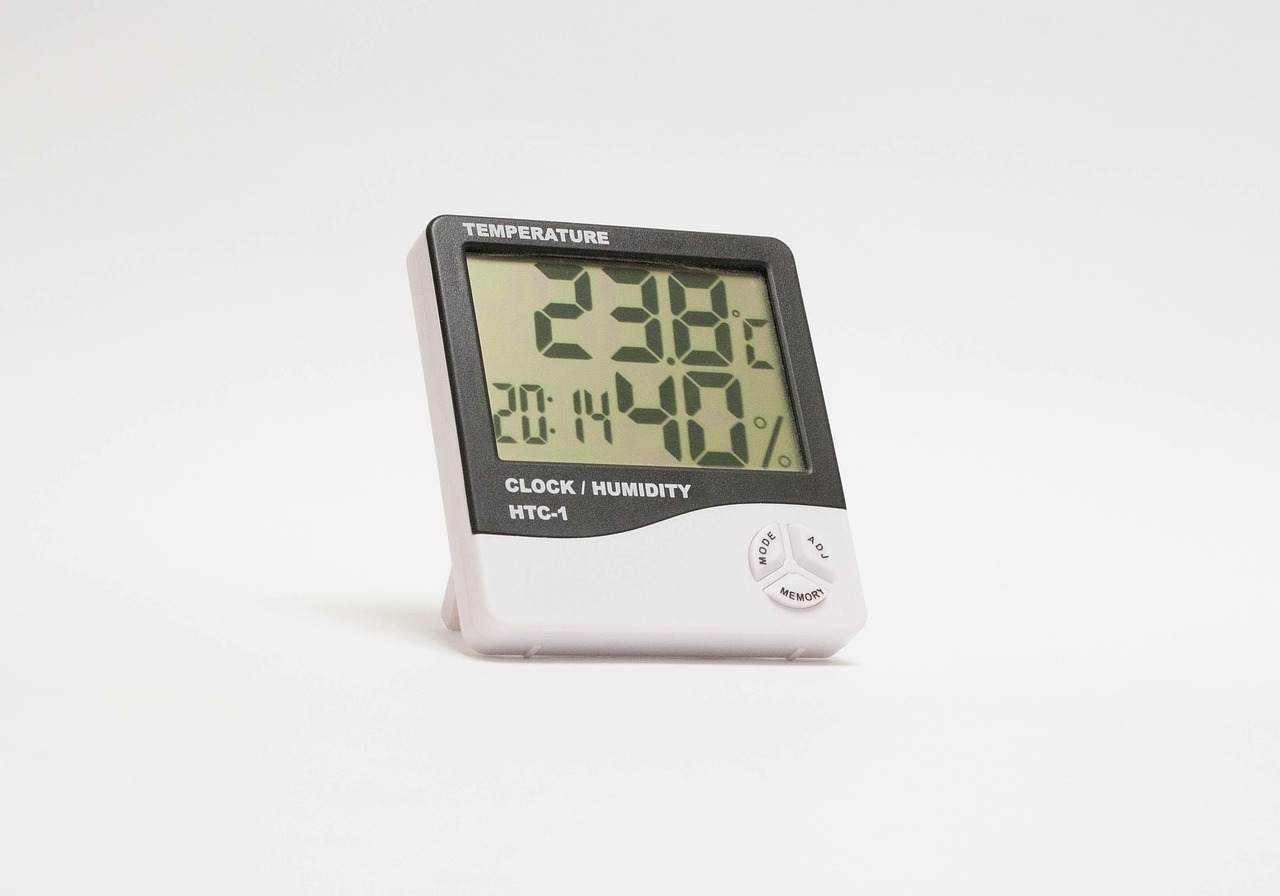

Impact of Humidity on Dogs During Sports
Humidity plays a vital role in the performance and comfort of dogs during various sports activities. High humidity can lead to an increased risk of heat-related illnesses, such as heatstroke. Dogs have a different cooling mechanism compared to humans; they primarily rely on panting to regulate their body temperature. When humidity levels rise, their ability to cool down diminishes significantly. As moisture in the air increases, the effectiveness of evaporation decreases, making it tougher for dogs to lose heat. This can lead to excessive panting and, if not managed, serious health consequences. Observing weather forecasts is essential for dog sports enthusiasts. Organizers and trainers should monitor humidity levels before and during events to ensure the safety and well-being of the participating dogs. Providing plenty of water is crucial, as hydration helps with thermoregulation. In addition to monitoring hydration, it’s important to take regular breaks in cooler shaded areas. This allows the dogs to rest and cool down, preventing fatigue and overheating. Planning activities during cooler parts of the day may also be beneficial to keep dogs on top of their game while preserving their health.
This paragraph highlights the importance of recognizing the signs of overheating in dogs. Understanding how humidity impacts your dog’s ability to perform in sports is essential. While certain breeds may be more tolerant of heat and humidity, others, like short-nosed breeds, may struggle significantly. Signs of overheating include excessive panting, drooling, nausea, or lethargy. If you notice any of these symptoms, it’s crucial to take immediate action. Remove the dog from the humid environment, offer water, and help them cool down with wet towels. Cooling mats can also be effective in providing relief. Your dog may require extra monitoring in high humidity situations. Be aware of how long your dog is active, and be prepared to adjust their exercise duration as needed. Regularly assessing their condition during activities is crucial to preventing overheating. Implementing safety measures, such as keeping dogs in shaded areas and ensuring frequent water breaks, can safeguard their health. It’s important to tailor the sporting events to your dog’s individual needs, considering both their physical capabilities and the weather conditions. By doing this, you’ll help them perform at their best while minimizing the risks associated with high humidity.
Optimal Hydration Strategies
Ensuring your dog stays well-hydrated is crucial when participating in sports during warm and humid weather. Proper hydration can prevent overheating and enhance overall performance. Before engaging in any physical activity, make sure your dog drinks sufficient water. Carry portable water bottles or bowls during events to provide adequate hydration. Frequent water breaks should become a routine within the activity schedule. If your dog is highly energetic, they may need water more often than during normal conditions. Always give water before the activity begins and periodically after that. Observe their behavior for signs of thirst or fatigue, and prioritize hydration accordingly. Additionally, the temperature of the water can also make a difference; providing cool water can be refreshing and motivate them to drink more. Consider offering electrolyte beverages formulated for dogs, especially during strenuous activities, as these can replenish lost minerals and support hydration. Be conscious of your dog’s response to these beverages, as not all dogs prefer flavored electrolyte solutions. Enhancing hydration practices is key to allowing your dog to enjoy sports while minimizing the risk of dehydration during hot, humid conditions.
In addition to hydration, adjusting exercise regimens is paramount during humid weather. Training routines may need to be modified to suit the environmental conditions. Consider reducing the intensity and duration of exercises when humidity is high. Scheduling physical activities for the cooler parts of the day, such as early morning or late evening, can offer relief from heat stress. Additionally, introducing low-impact activities can help keep your dog active while avoiding overheating risks. Opt for shorter, more frequent sessions instead of long, continuous exercise. This way, they can maintain their fitness without exhausting themselves. The right training approach can keep your dog engaged and healthy on hot days. Coaches and trainers should develop programs that allow flexibility depending on the weather forecast. If conditions become unsafe, having a backup plan for indoor training is beneficial. Tracking your dog’s performance and comfort levels during these sessions aids in preventing heat stress. Always prioritize safety and be willing to adapt exercise plans based on individual responses to the humidity levels. A proactive approach is key to keeping your dog fit while enjoying the benefits of dog sports.
Choosing the Right Sport
Choosing the appropriate sport for your dog can significantly mitigate the negative impacts of humidity. Some activities are more suitable for lower humidity levels, while others are better adapted to various conditions. Agility, obedience, and other high-intensity sports may be overwhelming for your dog during humid weather. Consider opting for low-impact sports such as tracking, swimming, or even lure coursing, which allows dogs to remain active without excessive exertion. Swimming is particularly effective in high-humidity settings, as it helps regulate body temperature while exercising. Additionally, finding sports that include frequent rest periods or allow breaks in shaded areas offers benefits. Sports clubs and organizations often provide guidelines on how to adapt various sports to cater to specific weather conditions. Be vigilant in selecting activities based on not only the dog’s preferences but also their tolerance for heat and humidity. Moreover, engaging with local trainers can offer valuable insights regarding sports most suitable for different breeds. Integrating these considerations will enable a better sporting experience for both dogs and their handlers while ensuring safety in humid climates.
Behavioral changes in your dog may also be influenced by high humidity during sports. When the weather becomes uncomfortable, dogs can exhibit signs of stress or anxiety. Be alert to changes in their demeanor, such as reluctance to participate, excessive panting, or withdrawal behavior. These reactions can indicate that your dog is not handling the humid conditions well. In such scenarios, it may be beneficial to change activities to something less strenuous or to provide breaks more often. Investing time in training your dog to handle varying conditions can also foster resilience in challenging climates. Gradually acclimating them to humidity and heat may help prepare them for competition days where such weather is a concern. Engagement through positive reinforcement can further encourage them to cope with challenging conditions. Consulting with a veterinarian about the best practices for your dog’s specific breed may provide tailored recommendations. Remember, each dog has its own unique traits and habits, and understanding those better will contribute to their physical and emotional well-being during sports activities.
Conclusion: A Holistic Approach
In conclusion, managing humidity’s impact on dogs during sports requires a holistic approach comprising hydration, exercise modifications, and suitable sport selection. Understanding the effects of humidity on your dog’s physical abilities is essential for their well-being. Implementing proactive measures ensures they remain safe and healthy. Continuous monitoring of humidity levels when engaging in sports activities is critical. Adjust training plans based on environmental conditions, including temperature and humidity readings. Observe your dog’s behavior closely and make adjustments when any signs of distress occur. From providing plenty of hydration to selecting activities that suit your dog’s tolerance for heat, every aspect contributes to ensuring a positive sporting experience. Collaborating with trainers, veterinarians, and fellow dog enthusiasts can lead to shared knowledge that enhances the overall experience for both dogs and handlers. Open discussions on coping strategies can empower others to adapt their practices effectively. By prioritizing your dog’s health and well-being, you pave the way for successful participation in dog sports, even in challenging weather conditions. Together, we can embrace the joy of dog sports while ensuring our canine companions thrive.
Remember, a dog’s enjoyment of sports and activities is key to their happiness and overall health.