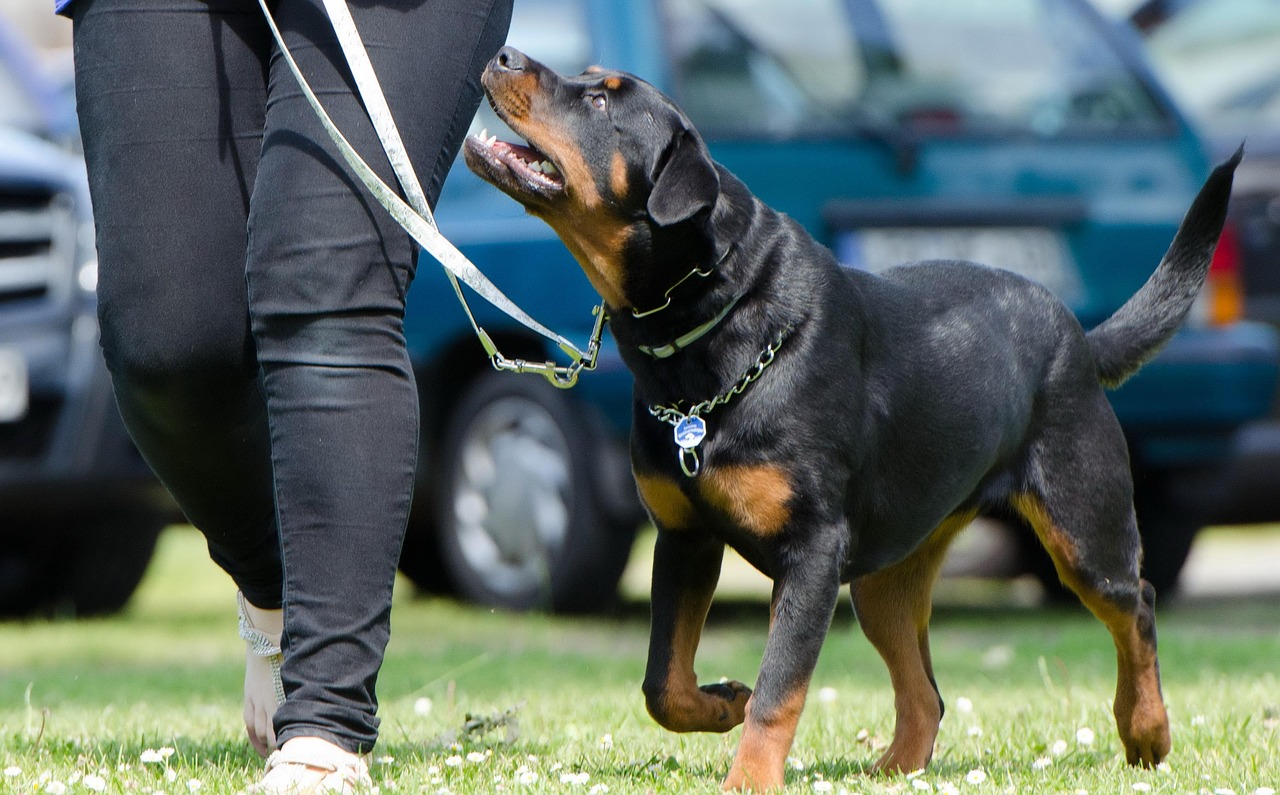

Positive Reinforcement Strategies for Shy Dogs
Dog training, particularly for fearful dogs, involves understanding and applying techniques that foster a trusting relationship. Positive reinforcement is a compelling method that encourages desired behaviors by rewarding them, making the training process more enjoyable for both the dog and owner. Fearful dogs often need a more sensitive approach, so it is crucial to set up scenarios where they feel safe and secure. Start basic training by establishing a calm environment. Use treats and praises lavishly when your dog exhibits even minimal progress. This not only enhances their trust in you but also encourages them to step out of their comfort zone gradually. To be effective, your timing must be precise; rewarding promptly helps to link the behavior with the outcome. Utilize your dog’s favorite treats and keep training sessions short but frequent to maintain interest. Training in familiar environments can further ease anxiety. Over time, with patience and consistency, even the most fearful dogs can build confidence and learn to respond positively to commands.
In implementing positive reinforcement methods, it is essential to identify what motivates your dog. Different dogs respond to different forms of reinforcement such as toys, verbal praise, or affection. Once you know what excites your pup, use this knowledge to your advantage in training sessions. Make sure to alternate between various forms of rewards to keep your dog engaged. For instance, if your dog responds well to treats, combine this with verbal praise like “Good Boy!” or physical affection. This variation helps in reinforcing the message that positive behavior leads to positive outcomes. When introducing new commands, practice patience. Shy dogs may take longer to grasp new lessons than more assertive personalities. If your dog appears overwhelmed, allow them to take breaks and return to their comfort space. Consistency, along with positive reinforcement, will help your dog associate training with joy and play. Over time, as progress is made, gradually increase the complexity of the tasks and the environments in which you practice the commands, ensuring a smooth transition into challenging scenarios.
Building Confidence Through Socialization
Socializing a fearful dog is an integral part of their training process. The goal here is to introduce your dog to various people, sights, and sounds in a controlled manner, using positive reinforcement to ease their anxiety. Start with short, positive experiences and use treats to reward calm behavior. For instance, if your dog seems nervous around new people, have a friend approach slowly and offer treats while maintaining a safe distance. Gradually reduce that distance as your dog becomes more comfortable. The aim is to create positive associations with these new experiences. Pay attention to your dog’s body language. Signs of fear, such as a tucked tail or avoidance, mean you need to slow down and re-evaluate. You can also explore puppy classes or group training sessions designed for shy dogs to facilitate socialization under controlled environments. These classes introduce dogs to various stimuli while ensuring a safe atmosphere. Always ensure that your dog relates socialization positively and remains calm during these interactions for the best outcomes in confidence building.
Enrichment and variation are other essential factors in dog training, particularly for fearful dogs. Engaging a fearful dog’s mind through interactive games or puzzles while applying positive reinforcement can help distract them from their fears, effectively easing anxiety. Examples of interactive toys include treat-dispensing puzzles that require the dog to work for their reward. This not only provides a mental challenge but also fosters a natural instinct to explore and play. Incorporate scent training exercises that motivate your dog to sniff out treats hidden around the house or yard. Furthermore, consider agility training as a higher-level form of enrichment that develops your dog’s confidence and skills. Setting up a simple agility course in your backyard provides a perfect outlet for energy and builds trust in your commands. Consistency is essential; ensure you reward your dog for any engagement with the tasks. Combining these enrichment activities with your existing positive reinforcement strategies will enhance your dog’s learning experience. Remember, the goal is to create a fun and supportive environment where your dog can thrive while overcoming fears.
Using Command Training to Alleviate Fear
Command training using engagement through positive reinforcement acts as a foundation to reduce fear. Focus on teaching basic commands like “Sit,” “Stay,” and “Come” using a gentle and patient approach tailored to your shy dog’s needs. Initially, train in a quiet and familiar zone where your dog feels most secure. When they successfully follow a command, immediately reward them with a treat, praise, or play to reinforce the behavior. Consistency is crucial; the more reliable the commands are, the more your dog will understand their significance over time. While practicing commands, it’s essential to maintain a calm demeanor, as emotional states can heavily influence fearful dogs. Keep commands clear and concise, and start with simple tasks before progressing to more complex commands as they gain confidence. If your dog exhibits stress or fear during training, take a step back and try again another day or reduce the demands placed. Training should be a positive experience, leading to more trust in the owner and reduced anxiety. Over time, your dog will develop a sense of security and familiarity with trained commands.
In addition to fostering trust through commands, it’s helpful to incorporate body language awareness into your training routine. Understanding dog behavior enables you to adapt your training methods more effectively for fearful dogs. Look for visual cues that indicate comfort or discomfort, such as ear positioning or body stances. A relaxed dog may show loose body language, wagging tails, or playful movements. Conversely, signs of fear include lowered ears, a tucked tail, or even lunging away. By recognizing these indicators, you can create a safe training atmosphere. Adapt your pace as necessary, ensuring your dog does not feel overwhelmed. Maintain open, friendly posture and avoid overwhelming eye contact; approach calmly from the side to alleviate fear. Training with other dogs can be beneficial, particularly if they show positive, confident behaviors. Allow your dog to observe and learn without feeling pressured. By employing a mix of interactive training methods and observation techniques, you contribute to creating a learning environment that reduces anxiety. As a result, your dog grows more confident, socially adept, and responsive to commands.
Monitoring Progress and Maintaining Patience
Training fearful dogs requires immense patience and time, making it crucial to monitor progress throughout the journey. Each dog is unique, and understanding limitations is essential in managing expectations. Document milestones, no matter how small, to track behavioral improvements. Positive reinforcement training is a gradual process, and occasionally, setbacks may occur. Remaining committed and compassionate during challenging times fosters trust and respect between you and your dog. Consider setting achievable short-term goals that can be celebrated, enabling your dog to experience triumph in their training. Create a diary to record progress; this documentation aids both trainers and pet parents in identifying patterns and adapting training as needed. Utilize positive language focused on what your dog can achieve rather than what is lacking. Include family members in training activities to ensure everyone is on the same page. Share successes to maintain motivation and reinforce positive changes. Adapting your training techniques as your dog evolves is essential for developing a more substantial bond. Recognizing and responding to their needs and progress will support their development into a well-adjusted, confident companion.
As a pet owner, managing support systems is beneficial to reinforce your dog’s training journey. Join local dog training communities or online forums where other dog owners share their experiences. Their feedback can be invaluable as they may offer practical advice or support when challenges arise. Engaging in shared experiences helps owners learn new strategies and gain different perspectives on training effectively. Exchange tips and tricks designed to assist fearful dogs in favorable circumstances. You can also consider hiring professional trainers specializing in fearful dogs if you think additional help is needed. They can offer personalized plans that steer positive reinforcement strategies tailored to your dog’s unique needs. Always remember to seek reassurance and encouragement from like-minded individuals who understand the challenges of training a timid dog. Engaging in regular discussions about training goals and successes can keep motivation high for both you and your pup. This community can act as an essential lifeline throughout the training process, sharing stories that remind you of the ultimate goal. Together, you can build a network of support that nurtures not only your dog’s progress but your development as a responsible pet owner.