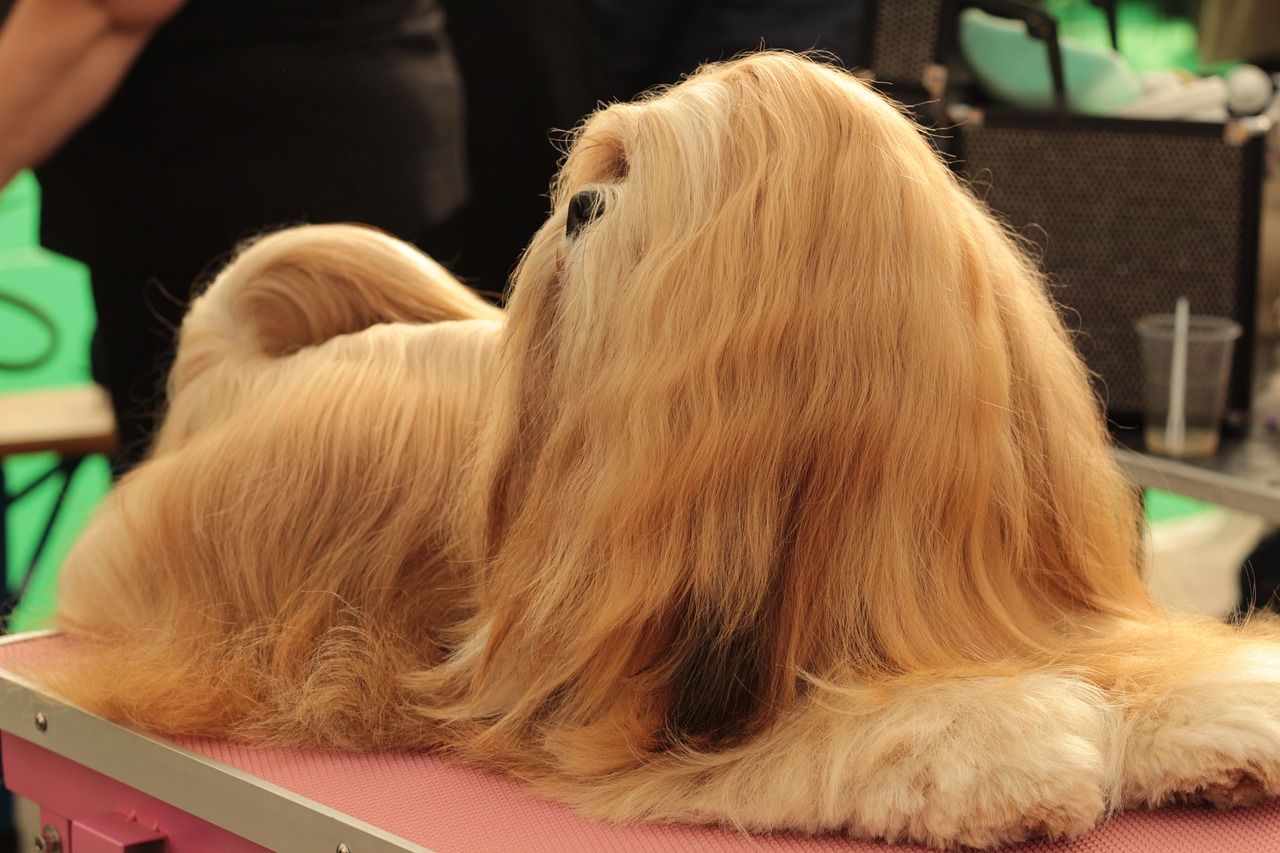

Tips for Grooming Long-Haired Dog Breeds
Grooming long-haired dog breeds requires dedication and understanding of specific techniques. The first step involves selecting quality grooming tools such as slicker brushes, combs, and scissors. Regular grooming is essential to prevent matting and tangles. Aim for a routine that includes brushing your dog two to three times a week, depending on the breed. When brushing, always start at the base of the fur and work your way up to ensure you remove tangles effectively. Additionally, using a detangler spray can make the process smoother and more enjoyable for your pet. Remember to be patient, as many dogs may not enjoy this process initially. Encouragement and treats can help positively reinforce grooming behaviors. Also, consider the environment; a calm setting will usually yield better results. Over time, your dog will start to associate grooming with positive experiences. Familiarizing your dog with the tools before starting can ease their discomfort. Understanding the unique fur type of each breed is crucial for proper grooming. Consider researching breed-specific grooming needs as they can vary between Poodles, Shih Tzus, and Collies. Ultimately, prioritize your dog’s comfort during grooming sessions.
When grooming long-haired breeds, it’s essential to pay special attention to their hygiene needs. Bathing, while sometimes viewed as a hassle, ensures the coat remains clean and healthy. It’s recommended to bathe your dog every four to six weeks, depending on their activity level and coat condition. Use a gentle, dog-specific shampoo to avoid skin irritations. Additionally, a conditioner can be beneficial, especially for breeds with thicker, more tangled fur. After bathing, thoroughly dry your dog, as moisture can lead to skin issues over time. Always use a towel first to remove excess water and then a blow dryer on a low setting, keeping it at a safe distance from your dog’s skin. Drying helps prevent mats from forming in wet fur, which can happen quickly. Regular ear cleaning is also a crucial part of grooming long-haired dogs. Use vet-approved ear cleaning solutions to avoid infections. Long hair around the ears should be trimmed carefully to keep the area clean. Incorporating dental hygiene practices, such as brushing your dog’s teeth, ensures their overall health is maintained. This comprehensive approach allows for better management of coat and skin health.
Managing Mats and Tangles
One of the most significant challenges in grooming long-haired dog breeds is managing mats and tangles. Mats can occur when loose hair becomes intertwined with existing fur, creating clumps that can become painful for your dog. To address this, begin by inspecting your dog’s coat for areas where mats may have formed. If you notice mats, it’s essential to tackle them gently. Use a specialized dematting tool or a slicker brush to carefully separate the mats from the rest of the coat. Always work in small sections, starting from the tips of the hair and working your way up toward the skin. When encountering stubborn mats, applying a small amount of conditioner or detangling spray can facilitate the dematting process. Always remain calm and patient, as anxiety can transmit to your dog. If a mat is particularly difficult, it may require scissors to gently cut it away, being extremely careful not to injure the skin underneath. Enjoy this process by rewarding your dog with treats and praise. With consistent grooming, your dog will not only look well-groomed but will also feel good. Incorporating breaks during grooming sessions can also prevent stress for both you and your dog.
Another important aspect of grooming long-haired breeds is nail care. Regular nail trimming is essential for the overall health of your dog, as overly long nails can cause discomfort and lead to issues walking. Aim to check your dog’s nails every 3 to 4 weeks. If you hear clicking sounds on hard floors, it’s a clear sign that their nails are too long. Use a high-quality dog nail clipper designed for your dog’s size. If you’re not comfortable clipping nails, consider visiting a professional groomer or vet. Understanding the anatomy of the nail is vital; avoid cutting into the quick, which contains blood vessels and nerves. A gentle filing can also help smooth out rough edges and is less stressful for many dogs. Always reward your dog for calm behavior during nail trimming sessions. This even can make future grooming sessions easier as your pet learns to associate the care with positive outcomes. Exploring different types of nail care supplies can help you find what works best for your dog. The right tools, patience, and rewards can dramatically ease the experience for both you and your dog, making it a more positive experience.
Dealing with Shedding
Shedding is a common concern for owners of long-haired dog breeds. These dogs typically shed year-round, with seasonal fluctuations during spring and fall. Understanding your dog’s shedding patterns can help you manage this process better. Regular brushing can significantly reduce loose hair in your home. It’s recommended to use de-shedding tools designed specifically for long-haired breeds, as they efficiently remove excess fur without damaging the coat. Engaging your dog in the brushing process while offering treats will make it more enjoyable for them. Vacuuming and lint rollers are essential tools as well for keeping your home free from dog hair. Adopting a consistent grooming schedule can also be a massive time-saver. Providing your dog with a healthy diet that supports coat health could affect shedding levels too. Omega fatty acids and other supplements are often beneficial for their skin and fur. Discuss dietary options with your vet to ensure your dog gets the necessary nutrients. Frequent baths can also assist in managing shedding, but ensure you don’t overdo it, as too many baths can lead to skin dryness. Regular grooming thus not only maintains their appearance, but also fosters an improved environment at home.
Grooming long-haired dog breeds provides an excellent opportunity for bonding. Establishing a positive atmosphere while grooming can nurture trust and affection between you and your dog. Start by creating a comfortable environment where your dog feels secure. Having a designated grooming area equipped with all the tools at hand can make the process more enjoyable and efficient. Choosing a time when your dog is calm, such as after a walk or playtime, will also benefit the experience. Incorporating positive reinforcement tactics, like treats or verbal praise, will encourage your dog to cooperate during the grooming sessions. A relaxed dog is easier to groom, which will also make the session faster and more efficient. Scheduling regular grooming appointments for professional grooming can help ensure your dog is always looking their best. Additionally, educating yourself about various grooming styles will enable you to cater specifically to your dog’s breed needs. Regular consultations with a vet or professional groomer can aid in identifying any potential grooming concerns. In this way, both your dog’s happiness and appearance will undoubtedly improve, promoting a better all-around experience. Enjoy this bonding time, as it strengthens your relationship.
Conclusion
In conclusion, grooming long-haired dog breeds may seem labor-intensive, but with consistent effort and the right techniques, it can be a rewarding experience. Understanding your dog’s specific grooming needs is key to ensuring a healthy and beautiful coat. Remember to stock up on the necessary tools and create a routine that fits both your and your dog’s schedule. Incorporating techniques to manage mats and tangles, alongside regular nail and ear care, is crucial for overall well-being. Don’t overlook aspects like shedding control, as they contribute to your household environment. Adapting a positive grooming atmosphere will not only make the grooming process easier but will also enhance the bond you share with your dog. Incorporate rewards to encourage calm behavior, making each grooming session a productive and pleasant interaction. Seek professional guidance when needed and stay informed on best practices specific to your dog’s breed. Embrace this grooming journey, as it not only enhances your pet’s appearance but ensures their health and comfort. By prioritizing grooming needs, you will foster a sense of happiness and trust, promoting a fulfilling life for your beloved dog.
This completes the article on grooming long-haired dog breeds, capturing must-knows for dedicated pet owners. Stay proactive and enjoy the journey!