
Using Barriers for Pet Safety
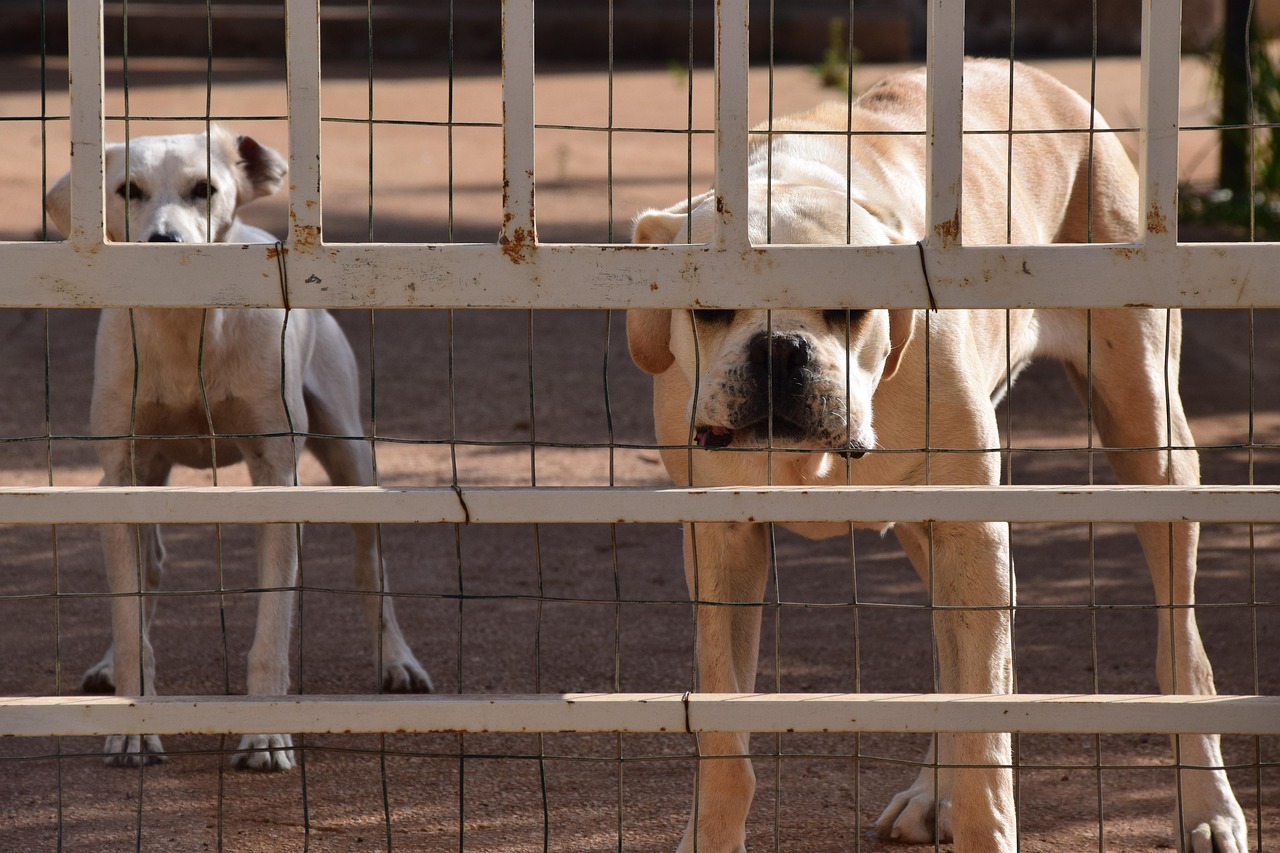
Barriers can be an essential tool for ensuring the safety of your pets, particularly dogs and cats. These devices help create designated areas where pets can play or relax without the risk of wandering into hazardous spaces. Various types of barriers, such as pet gates and playpens, are widely available and serve different needs. A well-placed barrier can prevent pets from accessing stairways, kitchens, or other dangerous areas, reducing the likelihood of accidents. Additionally, barriers can provide your pets with a sense of their own space, helping relieve anxiety while keeping them secure. When selecting a barrier, consider the materials: sturdy plastic or metal gates can withstand pet contact effectively. Look for features like adjustable widths, as pets may require different setups depending on their sizes. In multifamily households, these measures are even more important as they help protect various types of pets from potential harm. Proper installation ensures efficiency, so follow manufacturer instructions closely. Always supervise your pets initially to help them acclimate to their new environment. Ensuring safety is paramount, and barriers are an effective solution to uphold their well-being.
Choosing the Right Gates
Choosing the right gates for your dogs and cats involves understanding your specific household needs. Mounted gates work well for permanent barriers while pressure-mounted gates offer flexibility and ease of installation. When choosing the best option, consider the heights, as larger breeds may jump or climb over shorter gates. Additionally, ensuring gate material is durable is crucial to withstand any pushing or scratching. Many gates include locking mechanisms to prevent unwanted access while easy to maneuver for humans. Soft barriers, like fabric gates, can also be effective when used for specific zones indoors. However, they may not provide the hardness needed against more active dogs. Pets are curious creatures, and their ability to navigate around barriers can vary, so do consider purchasing gates that are difficult to breach. Accessibility for both pets and human members should be prioritized when choosing gate designs. Make sure to monitor how your pets adapt to these gates, helping to adjust them as needed. The primary goal is creating a safe and stress-free environment for beloved pets while keeping them contained without feeling imprisoned.
Creating Safe Spaces with Playpens
Playpens provide an excellent alternative for enhancing pet safety. These enclosed spaces allow pets to enjoy playtime while ensuring they remain within a secure area. Dogs and cats can greatly benefit from having dedicated zones in your home where they can jump around, play with toys, or even take a nap. Playpens come in various sizes and styles, allowing customization to suit different rooms or outdoor spaces. Portable playpens are particularly effective for outdoor events or travel, providing security away from home. It’s important to select a size that suits the breed and energy levels of your pets, ensuring they have ample room to move. Reinforcing the playpen with additional barriers for escape-prone pets can significantly reduce any risks. Regularly checking playpen integrity helps identify any weaknesses or damage that might pose a threat. Adding bedding, toys, and water bowls inside encourages a nurturing atmosphere. Well-exercised pets are usually better behaved when contained. Teaching your pets to recognize the playpen as their safe zone is beneficial as they learn to settle down there. Always be present during their playtime to supervise and engage with them.
Preventing Accidental Escapes
Accidental escapes can lead to dangerous situations for pets and deep worry for owners. Introducing barriers effectively minimizes these risks by selectively controlling pet movement throughout the house. Regularly evaluating the strength and security of barriers reduces chances of accidental breaches. The proper use of gates helps in providing clear boundaries; however, pets can sometimes find ways around them. Therefore, reinforcing gates with additional locks or clips may be beneficial. Regularly monitoring the effectiveness of your barriers and making adjustments can help minimize those risks. Additionally, teaching commands like “stay” or using positive reinforcement helps ensure your pets respect the boundaries you set. Always supervise pets during their free playtime, allowing you to observe their interactions with barriers and identify any weaknesses immediately. Engaging with pets near their barriers also reinforces the concept of safety and boundaries. Also, providing consistent training sessions teaches your pets to identify safe zones within your home. Protecting pets from potential dangers ensures everyone remains calm and happy, hence creating a more serene environment overall while fostering a stronger bond between you and your pet.
Integrating Barriers with Other Safety Measures
Integrating barriers with other safety measures creates a comprehensive environment for your pets. Alongside the installation of gates, utilizing leash training, correct confinement techniques, and supervision help in managing pet safety. It is equally crucial to educate family members about the types of barriers installed, their purposes, and how to operate them effectively. Gates should complement existing safety measures like covering electrical outlets and securing household chemicals. Combining these elements can fortify your home against potential pet hazards while fostering a safe zone for your animals. Allocating special care for small pets in multi-pet households requires consistent monitoring to prevent conflicts. Essential products related to barriers include pet-proofing accessories, allowing greater flexibility for pets to enjoy their space safely. As a bonus, creating indoor play areas with pet-friendly furniture can additionally contribute to their well-being and mental stimulation. Exploring outdoor options can also provide enrichment within the confines of a pet’s safety. A secure outdoor environment means your pets can enjoy fresh air without compromising their safety further. At the end of the day, a layered approach to pet safety using barriers combined with other reliable strategies is recommended.
Understanding Pet Psychology
Understanding pet psychology is crucial for maximizing the effectiveness of barriers and gates. Pets thrive in environments that cater to their instinctual needs, providing the right spaces to explore, play, and retreat. Being conscious of their natural behaviors allows owners to set up barriers that feel more like enrichment rather than confinement. Dogs, being social animals, often exhibit anxiety when restricted, leading to destructive behavior. Therefore, ensuring their barriers aren’t overused is essential. Encouraging pets to view their space as a safe haven, and not a punishment, is vital for their mental health. Desensitizing pets to barriers can be accomplished through positive reinforcement techniques by rewarding calm behavior within the secured zones. Gradually allowing them to venture out beyond the barriers while ensuring safety instills confidence and comfort. If a barrier seems daunting, taking steps to modify its setup can lead to better adaptation. Creating familiarity with barriers enhances their efficacy. Successful barrier management must focus on understanding how pets perceive their environment, allowing flexibility while keeping safety at the forefront of their daily lives.
Conclusion on Pet Safety Measures
In conclusion, utilizing barriers and gates enhances the safety and well-being of both dogs and cats significantly. By implementing thoughtful designs and material choices, owners can create a safer living environment for their pets. Keeping an eye on individual pet behavior, needs, and preferences helps in making informed decisions on barrier choices. Additionally, combining barriers with training techniques can establish boundaries that all family members respect, including the animal. It’s essential for owners to remain proactive in evaluating their household dynamics; adapting barriers as pet family members grow or change helps maintain safety at its best. Engaging pets positively within their zones can offer valuable mental stimulation, allowing secure zones to be enjoyable. Ultimately, understanding pet psychology leads to improved interactions with barriers and enhances the overall pet experience. Ensuring a captivating and protective environment fosters emotional well-being significantly. Drawing from a toolbox of pet safety strategies, including barriers, reinforces a holistic approach beneficial for overall pet happiness. Committing to these measures guarantees that homes are not only pet-friendly but also thrive as loving and safe sanctuaries, nurturing all members of the household.
Visual Aids for Enhancing Safety
Supplementing barriers with visual cues can be significantly helpful in unfamiliar spaces. Pets often respond better with clear signals surrounding their environments. Using colored tape, printed signs, or even designated patterns can help signal areas of play or restriction. Visual markers assist in guiding pets towards safe zones and making unfamiliar territories less stressful. This simple addition dramatically improves interactions and could even prevent accidents. Dogs and other pets become more aware of their boundaries, leading to more positive experiences. Furthermore, ensuring your home is well-lit is crucial when introducing barriers; sufficient lighting allows pets to see clearly without fear. Including reflective materials on gates or barriers can further enhance safety during low visibility conditions. This consideration is especially helpful for outdoor spaces where natural light may vary. Testing barriers regularly while adjusting your home as pets grow ensures continued effectiveness. Observing how pets react to visual cues is key to perfecting these strategies. Engaging pets’ curiosity can influence their adaptation to barriers positively. Integrating these additional safety dynamics creates a more comprehensive safe haven, supporting both the governing rules and pets’ inherent nature to explore.