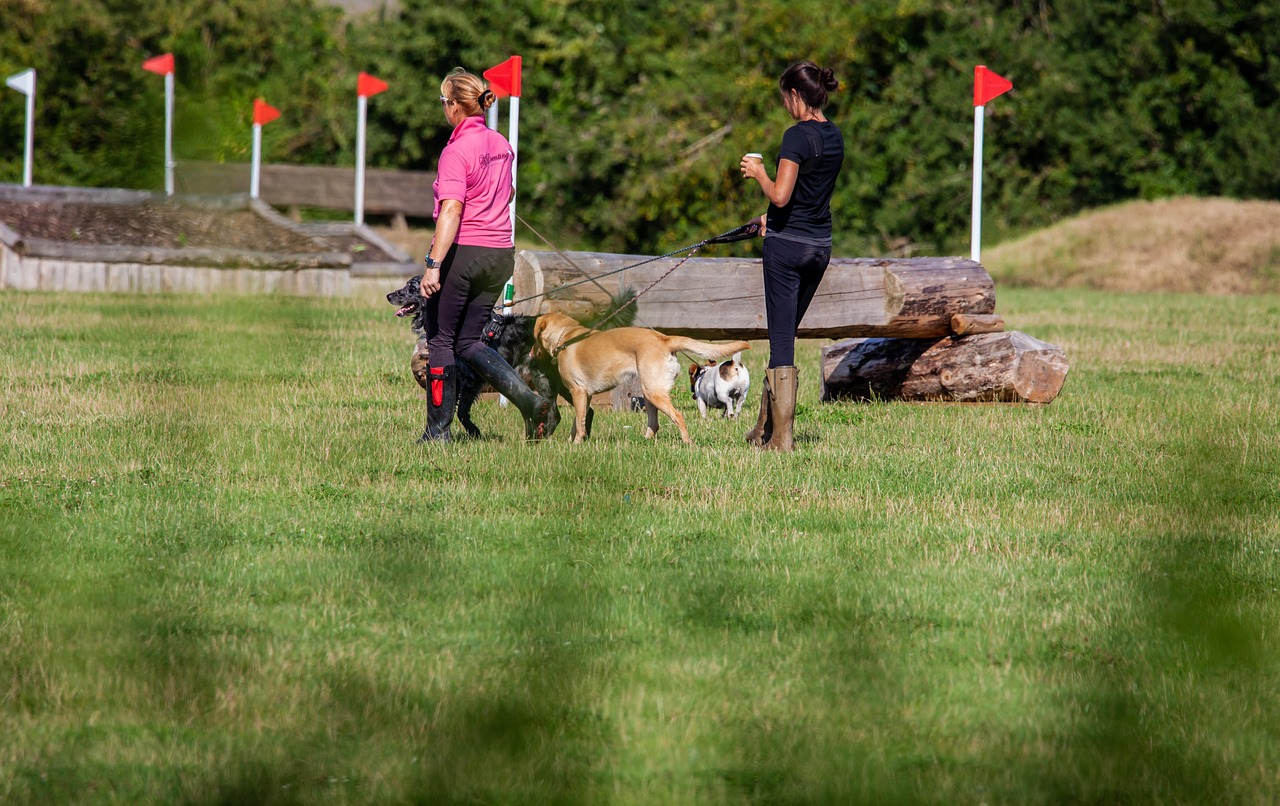

Preventing Dog Injuries During Exercise and Walks
Exercising and walking your dog is essential for their health and well-being. However, it is equally important to ensure their safety during these activities. The first step is to assess your surroundings. Look for any potential hazards, such as broken glass, sharp objects, or toxic plants. Additionally, be mindful of the weather conditions. Dogs can easily overheat during hot days, so consider walking early in the morning or later in the evening. Proper hydration is crucial, as dogs can dehydrate quickly. Always carry water and a portable bowl. Keep your dog on a leash at all times to prevent them from running into traffic or encountering aggressive dogs. Leashing your dog also ensures you can maintain control. Training your dog to follow commands can significantly help in emergencies. Start with basic commands like sit, stay, and come. Also, invest in a proper harness or collar suitable for their size. Regularly inspect your dog’s gear for wear and tear. By remaining vigilant and proactive about safety, you can effectively prevent injuries during exercises and walks.
Aside from controlling your dog’s environment, proper vet care is necessary for injury prevention during walks. Regular vet check-ups will help identify any pre-existing health conditions that may affect your dog’s ability to exercise. This includes joint issues, heart conditions, or obesity. Furthermore, keeping your dog’s vaccinations up-to-date protects against diseases that could be contracted during outdoor activities. Do not skip heartworm and flea prevention treatments, as these can significantly impact your dog’s health while exercising. Regular grooming is essential to prevent matting and reduce the chances of skin irritations, which can be aggravated by exercise or walks. Ensure their nails are trimmed regularly to avoid painful injuries that may occur when running on hard surfaces. Be attentive to your dog’s behavior and energy levels. Overexertion can lead to strains or sprains. Monitor their breathing and be aware if they seem unusually fatigued. If your dog shows signs of distress or discomfort, stop the activity immediately and provide rest. This approach promotes safety and ultimately leads to enjoyable times during exercise.
Choosing Safe Locations for Exercise
Choosing the right location for walking or exercising your dog can greatly prevent injuries. An ideal area should be free from heavy traffic, with ample space for your dog to run and explore. Parks, nature trails, and secure dog exercise areas are excellent options. Always check the area ahead of time for potential dangers. Look for anything unusual or dangerous, such as wild animals or deep bodies of water. Avoid busy roads, construction sites, and other high-risk environments. The terrain where you walk your dog matters significantly. Uneven surfaces can lead to slips, so stick to well-maintained paths whenever possible. The type of ground can impact your dog’s paws and joints. Walking on asphalt in hot weather can burn paws, while icy surfaces may cause slipping. Pay attention to signs of discomfort when walking your dog over different terrains. Additionally, consider the time of day. Avoid twilight hours when visibility is low. Using reflective gear for both you and your dog can guarantee visibility. A safe location reduces anxiety for both dog and owner.
While preventing injuries is the goal when exercising with your dog, accidents can happen. In case of an emergency, having a first-aid kit can prove invaluable. Your kit should include bandages, antiseptic wipes, gauze rolls, adhesive tape, scissors, and tweezers. It is beneficial to learn some basic first aid steps before you venture out. Knowing how to treat minor wounds, splint a leg, or administer CPR can save your dog’s life. Additionally, familiarizing yourself with common canine injuries, such as cuts or sprains, will prepare you for any situation. The ability to recognize an injury quickly allows for prompt treatment. Furthermore, keep a list of emergency contacts, including your veterinarian and a nearby animal hospital. Having this information ready can alleviate stress during a panicky situation. Practice your response plan, so you are well-prepared for emergencies. Also, engaging your dog in behavior training can help avoid injuries due to unexpected distractions. Having a well-trained dog means you’re better equipped to handle potentially hazardous situations when they arise.
Monitoring Your Dog During Exercise
Continuous monitoring of your dog during exercise ensures that potential issues are dealt with promptly. Watch for excessive panting, an unusual gait, or limping, as these can indicate possible injuries or fatigue. If you notice your dog not engaging in the activities they normally enjoy, inspect them for bumps, scratches, or signs of discomfort. During the hot summer months, watch for overheating, which can cause serious health risks. Symptoms include excessive drooling, weakness, or disorientation. Providing consistent access to water can prevent serious heat-related issues. Likewise, consider taking breaks during longer exercise sessions; this is particularly important for brachycephalic breeds that can struggle with heat. Pay attention to your dog’s play style as well; some dogs may push too hard, leading to injuries. Attend to their behavior during interactions with other dogs. If your dog appears anxious or aggressive, calmly remove them before a situation escalates. It is vital to maintain an environment where your dog can feel safe and monitored. Following these guidelines ensures that both you and your dog enjoy fun and safe exercise sessions.
Lastly, consider your dog’s age and physical condition when planning exercise routines. For instance, older dogs may require lower-intensity activities, while puppies might benefit from short bursts of energy. Regular assessments of your dog’s fitness level can help establish appropriate exercises. Incorporating activities that promote joint health, like swimming or gentle walks, is beneficial for senior dogs. Avoid high-impact activities that may exacerbate existing conditions, especially in older dogs. Puppies, on the other hand, should be given controlled environments to explore and develop their stamina gradually. Gradually introduce new exercises to prevent strains. Consider using dog-friendly equipment, such as harnesses and practice agility postures to encourage safe exercise. Their safety is paramount, so invest in high-quality equipment. Explore dog-training classes or consult a professional trainer to further enhance their skills safely. Keeping you and your dog mentally stimulated while promoting safety creates enjoyable experiences. By making informed choices, you embrace the journey of exercise together. These precautions not only prevent injuries but also build a stronger bond between you and your furry friend.
Conclusion
In conclusion, preventing dog injuries during exercise and walks requires diligence, awareness, and preparation. Knowing the surroundings, maintaining their health, and employing safe exercise practices contribute significantly to your dog’s safety. By ensuring their gear is suitable and taking note of your dog’s well-being, you create a safer environment for outdoor activities. Monitor their behavior closely during walks, stay alert for potential dangers, and know how to handle emergencies. Choosing safe locations not only protects your dog but enhances your time spent together. Always remember that the goal is to foster a positive experience for both you and your dog. Engaging in physical activity should be enjoyable, not stressful. Furthermore, tailored activities based on your dog’s unique needs can help prevent injuries while making exercise a fun adventure. Keep your dog challenged mentally and physically while ensuring safety is the priority. With the right knowledge and approach, you can make walks or exercise sessions a rewarding part of your routine. Enjoy your experiences together, fostering an active lifestyle that promotes health and happiness for both you and your pet.
Protecting your dog during walks is essential. Regularly vet care combined with suitable gear enhances their safety. Always choose safe locations free from traffic. Be mindful of your dog’s health by familiarizing yourself with potential hazards. This involves preparing a first aid kit for emergencies. Proper monitoring ensures your dog is safe and healthy throughout any activities. Understanding which activities suit your dog’s age and health status will keep your pet injury-free. Gradually introduce new exercises to avoid strains. Utilize professional guidance for tailored routines suited to your dog’s needs. Finally, fostering an environment promoting both safety and activity will strengthen the bond with your pet, making exercise a joyful experience for both of you. Investing in safety measures leads to enjoyable exercise sessions. Important training can provide both confidence and control. Research local parks or dog facilities to find safe options. Your dog deserves safe and sustainable physical activity. Make this a routine part of your dog’s life, enriching their overall health. The bond formed through these shared experiences will undoubtedly leave a positive impact on both pet and owner.