
Preventing Skin Issues Through Proper Grooming in Cats
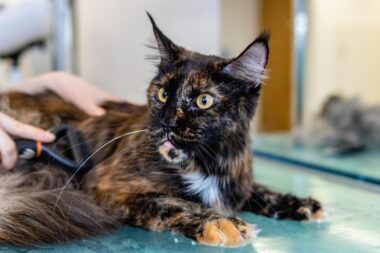
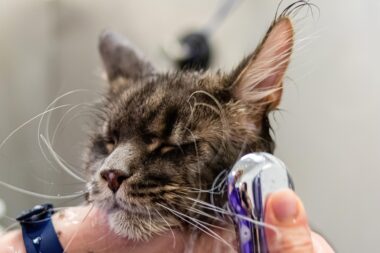
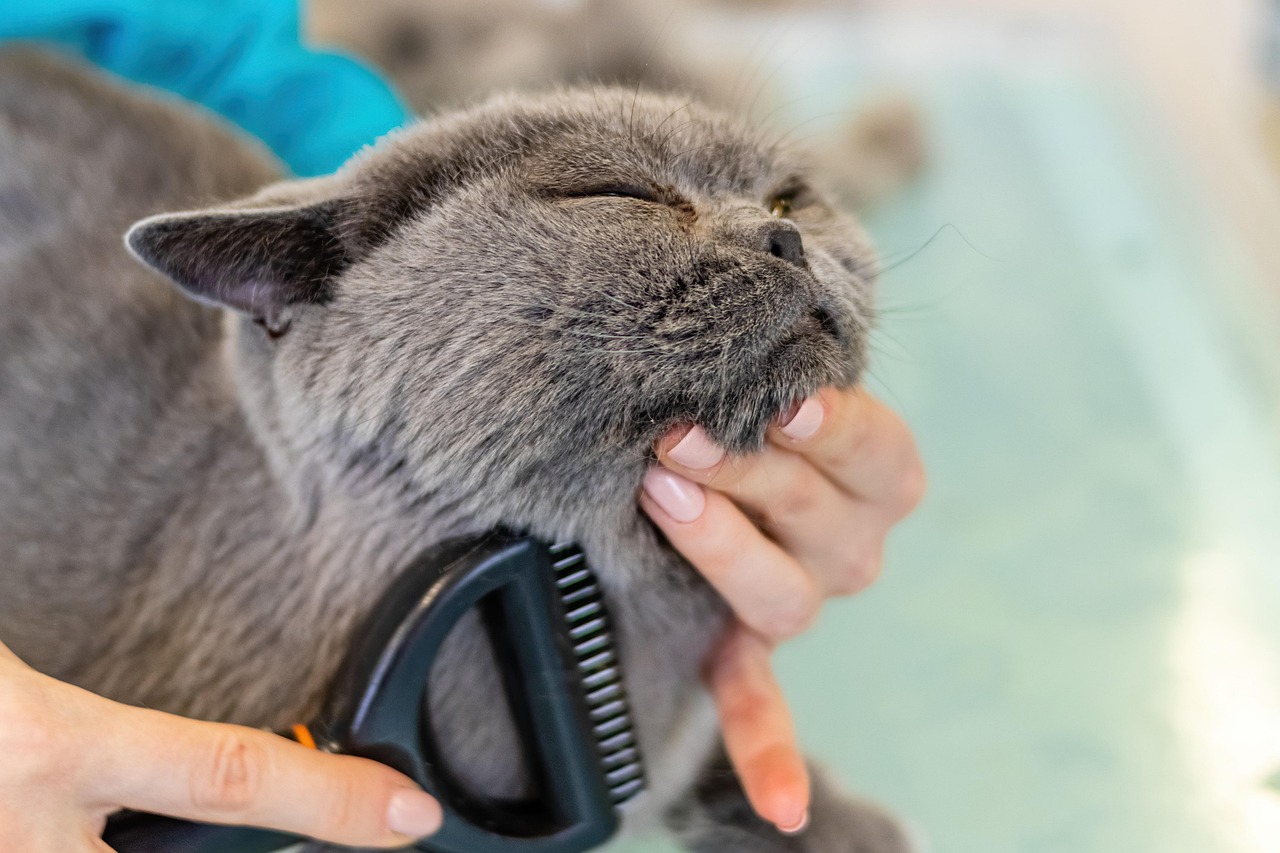
Grooming plays a vital role in your cat’s overall health, especially when preparing for cat shows. Regular grooming not only enhances your cat’s appearance but also helps to prevent potential skin issues. One of the first things to consider is to establish a consistent grooming schedule. Aim for at least once a week for regular grooming sessions. During these sessions, check for any unusual signs on their skin, such as redness, bumps, or excessive shedding. These could indicate underlying problems that may need immediate attention. Using quality grooming tools is also essential; invest in combs, brushes, and nail clippers suitable for your cat’s coat type. For instance, long-haired breeds often require a slicker brush, while short-haired cats may only need a rubber grooming mitt. Furthermore, always ensure that your grooming techniques are gentle to avoid causing any discomfort. Employing the right technique can enhance your bond with your cat while ensuring they remain relaxed during grooming. Monitoring their skin conditions along with grooming techniques fosters a positive grooming experience, crucial before shows.
Identifying and Treating Common Skin Issues
Common skin problems often plaguing cats include allergies, infections, and parasites. Allergies can cause significant discomfort, leading to excessive scratching, which aggravates the skin condition. Watch for season-specific allergies, as well as food-related sensitivities that can manifest as skin reactions. Infections, often due to bacterial or fungal pathogens, can result from improper grooming or prolonged moisture in the coat. Keeping your cat dry and well-groomed is critical to preventing such infections. Parasites, such as fleas and ticks, not only irritate the skin but can lead to serious health issues. Regularly checking your cat for these pests is a good habit, especially before entering them into shows. If you notice signs of skin irritation or infection, consult your veterinarian immediately. They might recommend special medicated shampoos or topical treatments to restore your cat’s skin health. Additionally, providing a balanced diet rich in Omega fatty acids can promote healthy skin while reducing inflammation. Always be proactive in managing these conditions to ensure your cat achieves success at their next competition.
Maintaining a balanced diet is essential in preventing skin issues. High-quality cat food formulated with essential nutrients supports skin health from the inside out. Ingredients rich in Omega-3 and Omega-6 fatty acids are particularly beneficial; they help maintain a healthy skin barrier and reduce inflammation. Regularly incorporating these into your cat’s diet can improve coat shine and overall skin condition, especially before competitions. Additionally, hydration plays a significant role. Make sure your cat has access to fresh, clean water at all times. Dehydration may lead to dry skin, making it more susceptible to irritations. Supplementing your cat’s diet with hydrating treats, such as wet food or seafood, can be an excellent method of ensuring hydration. Moreover, consider integrating supplements if your veterinarian approves; fish oil, for instance, can significantly enhance skin and coat health. Along with grooming, diet management can greatly contribute to preventing skin issues, allowing your cat to shine during shows. A well-groomed, healthy cat will not only impress judges but will also feel more comfortable and confident in their various exhibitory environments.
The Importance of Bathing
Bathing your cat properly is indispensable for skin health, especially before shows. Unlike dogs, cats do not require frequent baths due to their self-grooming nature. However, a well-timed bath can remove excess dead hair and dirt, reducing the risk of skin irritations. When preparing for a bath, ensure to choose a gentle shampoo formulated for cats to avoid skin issues. Human shampoos can strip natural oils and irritate sensitive cat skin. Additionally, ensure the water temperature is lukewarm, as hot water may cause discomfort. It’s vital to introduce your cat to baths gradually to reduce anxiety. Use treats and positive reinforcement to create a pleasant association. After bathing, thoroughly dry your cat with a towel, and ensure all products are rinsed away. Hair dryers can be used cautiously, but many cats prefer air drying. Post-bath grooming with a comb or brush can eliminate any tangles and promote a shiny coat. Bathing not only benefits skin health but also prepares your cat for any show-related attention, making them more confident as they navigate through the competition.
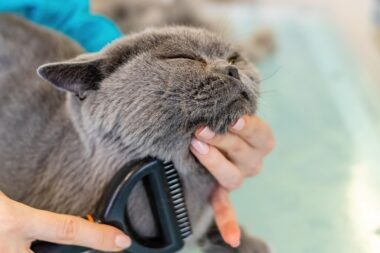
During grooming sessions, it’s important to handle your cat gently and patiently. Begin brushing in an area they enjoy, gradually working toward more sensitive spots like the belly and hind legs. Use calming techniques such as soft voice and petting to ease them into the grooming process. Never rush through grooming; take your time to ensure a positive experience. If you encounter tangles or mats in their fur, use a detangling spray or grooming tool to ease them out gently. Pulling on tangles can hurt and lead to negative associations with grooming. Maintaining regular grooming reduces stress and anxiety during show prep. Integrate treats or breaks during lengthy sessions, allowing your cat to relax. Monitoring their skin while grooming allows you to identify any early signs of issues before they become significant problems. If changes in your cat’s behavior occur, such as increased resistance to grooming, it could indicate underlying skin problems. Always keep communication open with your veterinarian to assess skin health regularly. Through careful, consistent grooming practices, you can help your cat avoid skin issues while ensuring they’re ready for competitive environments.
The Role of Environment in Skin Health
Environmental factors significantly influence your cat’s skin health. Ensuring your home is clean and allergen-free can significantly reduce the likelihood of skin issues. Regularly vacuuming carpets and cleaning litter boxes can minimize allergens, while also providing a comfortable grooming environment. Also, consider the humidity levels inside your home. Dry air, especially during winter months, can lead to dry skin. Using a humidifier can help maintain optimal moisture levels in the air. Additionally, make sure your cat’s bedding is clean and free from irritants. Regularly wash their blankets and sleeping areas as lingering dust and dirt can cause skin irritation. Also, observe whether your cat is allergic to specific plants or fabrics. Such allergic reactions can lead to scratching and skin lesions. Opt for non-toxic and hypoallergenic products when cleaning or using litter. Creating a comfort-oriented space helps in preventing stress, another factor that can exacerbate skin issues. A calm environment, combined with proper grooming, reinforces healthy skin and coat. Focus on these factors to promote a smooth and lustrous coat as you prepare for cat shows.
Finally, consistent communication with professional groomers or veterinarians is crucial for maintaining skin health. Regular check-ups can help in identifying potential skin issues before they escalate. Consult with experts regarding your grooming techniques, as they can offer valuable tips and tailor their recommendations based on your cat’s specific breed and coat type. Professional groomers can also provide specialized services, ensuring cats receive expert care. If you notice persistent skin issues, don’t hesitate to seek professional advice. Sometimes, skin conditions require more than standard grooming; veterinarians may recommend medication or specialized treatments to address these concerns. Additionally, embrace ongoing education about grooming practices and skin health. Online resources, workshops, or community events focusing on cat care can enhance your knowledge and skills. Investing time in learning promotes better care, not only elevating your grooming game but also ensuring your cat stays healthy and competitive. Focusing on these overall grooming practices establishes a strong foundation promoting healthy skin and fur, preparing your cat for success, and enhancing their confidence in the show arena.