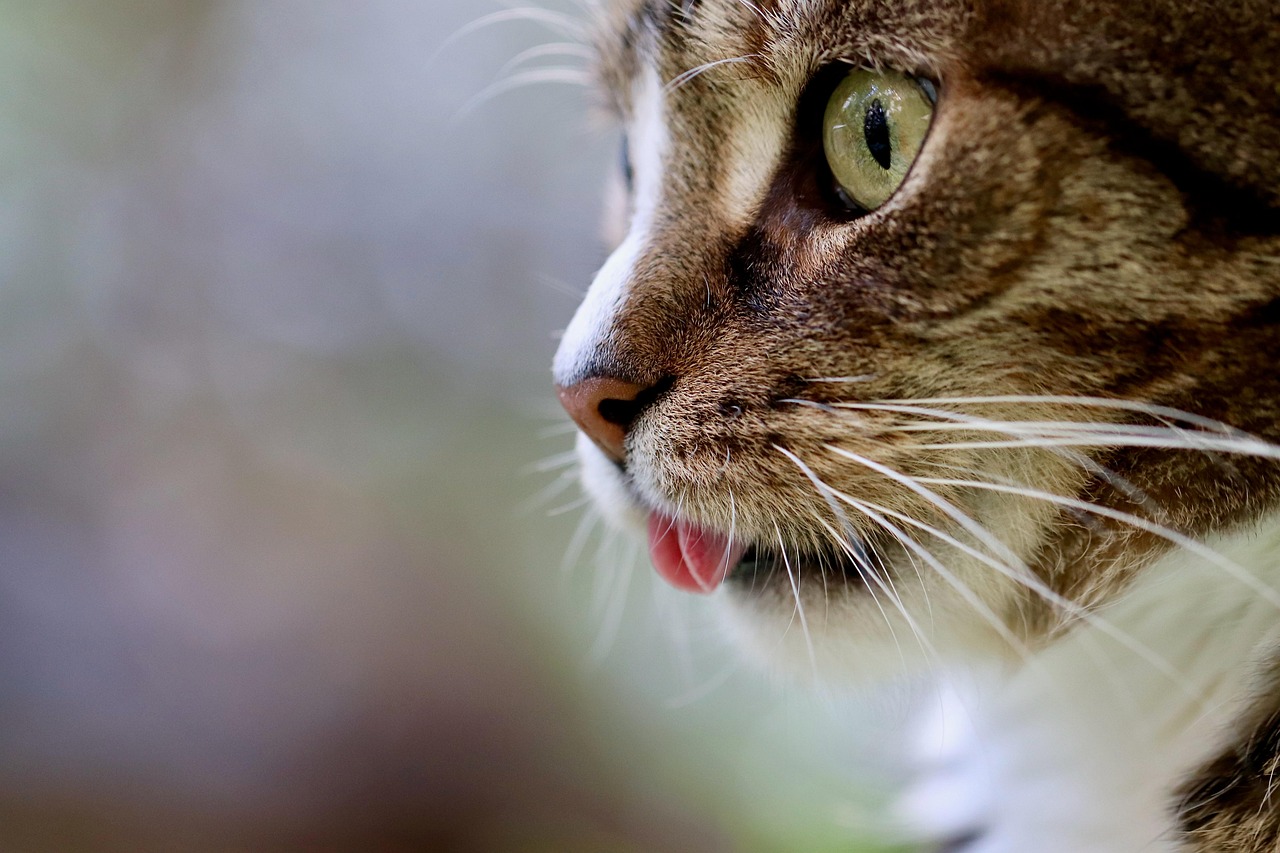

The Role of Veterinary Health Certificates in Cat Import/Export
When considering the import and export of cats, one must understand the crucial role that veterinary health certificates play in the process. These certificates serve as official documentation attesting to the health and vaccination status of a feline. To ensure smooth transport, these documents must be acquired from a licensed veterinarian who has examined the cat within a specified time frame. Governments around the world may have differing regulations regarding the import and export of animals. Thus, pet owners should consult their local authorities to understand the specific requirements that must be met. Failing to comply with these regulations can result in the cat being quarantined, rejected entry, or even returned to the point of origin. Before traveling, it is essential to gather all necessary paperwork, including the health certificate, to avoid complications. One should also verify whether the destination country requires additional vaccinations or tests beyond what is standard. Research and preparation are key to ensuring a successful import or export experience for your beloved cat.
The validity period of veterinary health certificates can vary significantly based on the destination country and health regulations. For many countries, a health certificate is typically valid for anywhere between seven to thirty days. The veterinarian must also provide proof that the cat has been vaccinated against common diseases such as rabies. In regions where rabies is a high concern, proof of vaccination is even more critical. Moreover, certain countries may demand additional tests to confirm the absence of parasites or other infectious diseases that could pose a threat to public health. Therefore, having an updated health certificate boosts the chances for the cat to pass through customs without delays. One should keep in mind that all documents must be in the language required by the importing country, so it might be necessary to get these translated. Overall, diligent preparation and attention to detail regarding health certificates will lead to a more efficient import/export process. Knowing the specific health requirements in advance can prevent undesirable situations during your travel.
It’s also worth mentioning that each airline and transport service may have its own policies concerning the import and export of animals. Before booking a flight or choosing a transport option, you should inquire about their specific guidelines for traveling with pets. For example, some airlines require a health certificate to be issued just before the flight, while others adapt a longer validity period. It’s imperative to understand these policies to avoid any last-minute surprises. Additionally, when traveling internationally, keep in mind that you may need various forms, such as import permits or specific endorsements on the health certificate itself. Failure to conform to these guidelines can lead to significant delays in travel or issues upon arrival. Always stay informed about both the requirements of the country you are entering and the policies of the airline you are using. Gathering all necessary documentation and understanding the process allows you to navigate the import/export journey with ease. Thoroughly reviewing these guidelines saves you from potential heartbreak, ensuring a breezy transition for your cherished feline companion.
Consequences of Non-Compliance
Non-compliance with the import/export laws can result in dire consequences not only for you but also for your feline friend. Authorities can impose strict penalties, including hefty fines, and in severe cases, it may even result in the cat’s euthanasia. This potential reality highlights the importance of understanding and adhering to the regulations set forth by both your home country and the destination. Quarantine is another common consequence when the necessary documents are not presented or are outdated. A cat can be held in quarantine for extensive periods, sometimes lasting weeks, which can be a traumatic experience for the animal and the owner. It is essential to follow up with any specific health checks required by local laws to avoid such scenarios. Furthermore, your ability to travel in the future may be hindered if you are flagged for repeated violations. Always regard the legalities surrounding pet travel seriously, as they exist to protect both your pet’s well-being and public health. In summary, the financial, emotional, and legal ramifications of non-compliance are considerable and should not be overlooked.
Many countries have a dedicated department that oversees the import and export of pets, including cats. This department can provide substantial guidance to ensure you comply with all necessary regulations. It is a valuable resource for pet owners and can answer specific questions regarding vaccination requirements, health checks, and other documentation needed for international travel. It is also wise to check if the country has any specific rabies-free status or if there are exemptions for certain breeds or ages. Engaging with the local veterinary clinic can also offer insights into the health checks required and help arrange an appointment in a timely manner. This proactive approach of consulting both governmental departments and veterinarians can streamline your experience considerably. In addition, some agencies offer services to handle the paperwork on your behalf, ensuring everything is completed correctly and filed ahead of time. Utilizing these resources improves your chances for a hassle-free import/export experience. Utilizing available resources can significantly reduce the anxiety and complexities involved in preparing for your cat’s travel, creating a smoother journey for both of you.
It’s also beneficial to consider any travel insurance policies that specifically cover pet transport. These policies can provide peace of mind by offering coverage for any unforeseen circumstances that may arise during travel. This includes flight cancellations, delays, or health-related issues that could impair the cat’s ability to travel. Understanding the different types of coverage available is essential to ensure that you are choosing the policy that best suits your needs as a pet owner. Review the terms and conditions carefully and look into policies that specifically mention pet transport. Having such coverage can sometimes mean the difference between a seamless trip and a logistical nightmare. Additionally, travel insurance can cover potential veterinary costs incurred during your journey if the animal falls ill. Since traveling can expose pets to new environments that may trigger stress or illness, having a safety net can provide reassurance. Overall, investing in travel insurance tailored to pet transport represents an intelligent choice for responsible pet ownership, especially when navigating the complexities of import/export regulations.
Conclusion
In conclusion, navigating the import and export laws for cats requires careful consideration of veterinary health certificates and associated regulations. Understanding the requirements, including specific vaccinations and health tests, can alleviate the stress associated with international travel. Both the pet owner and the cat should be well-prepared and informed of all necessary documentation, ensuring a smoother transition. Being aware of the ramifications of non-compliance and the various resources available can guide you through this complex process with confidence. Always consult with local authorities and veterinarians for the most accurate and up-to-date information. Remember that time invested in preparation will pay off in the end, ensuring a successful journey for your feline friend. With the right care and attention, the experience can be rewarding for both of you, leading to adventures filled with joy, comfort, and companionship. Overall, diligent planning and adherence to import/export regulations can ensure that you and your cat enjoy safe travels wherever your journey may take you.
Moreover, be sure to familiarize yourself with any unique regulations or conditions your specific destination might have. Each country may have additional requirements that are crucial for a successful import/export experience. This can include things like specific examination dates for health certificates or extra vaccinations that differ from the norm. Always conduct thorough research, or seek professional help if needed, and avoid any pitfalls that might arise from misunderstandings. Being proactive and well-informed allows for a smooth travel experience, which is essential when it comes to your beloved cats. Prepare for potential questions from authorities regarding your cat’s health status and history. Keep all relevant paperwork at hand during transport, making it easier to present documents when needed. Ensuring that you fulfill all legal requirements guarantees both the safety and welfare of your pet while complying with regional laws. Updating and double-checking all documents before travel will help minimize complications. Your cat deserves a worry-free travel experience just like you, allowing both of you to focus on your destination and making lasting memories. Careful planning is the key to a successful transition as you embark on this journey.